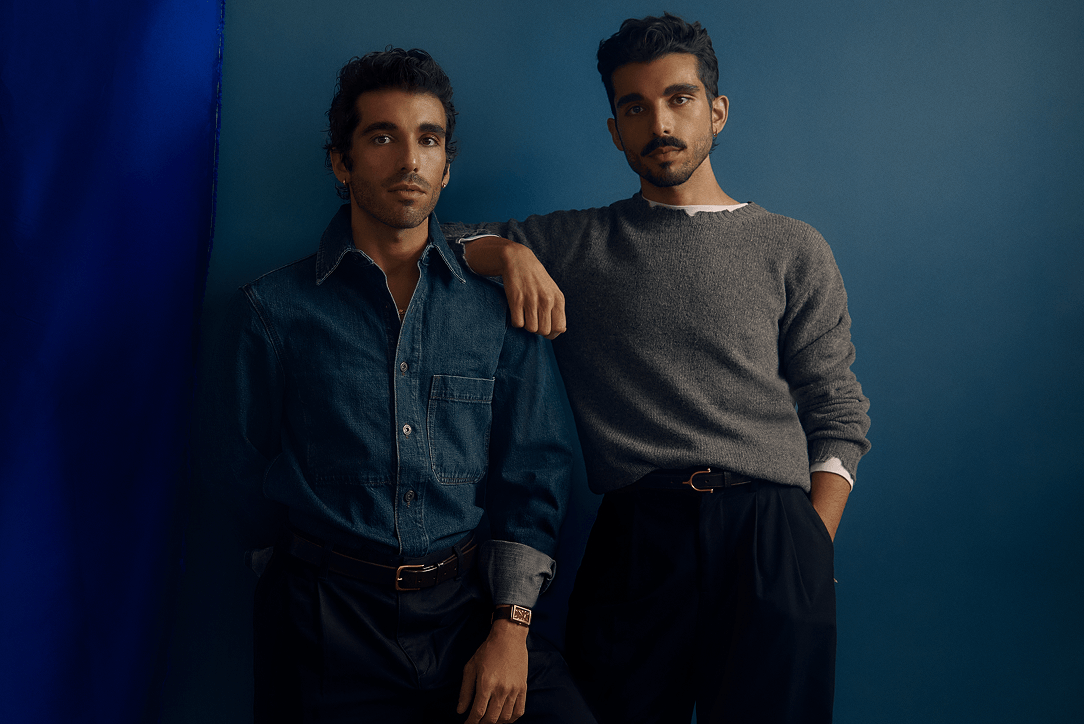
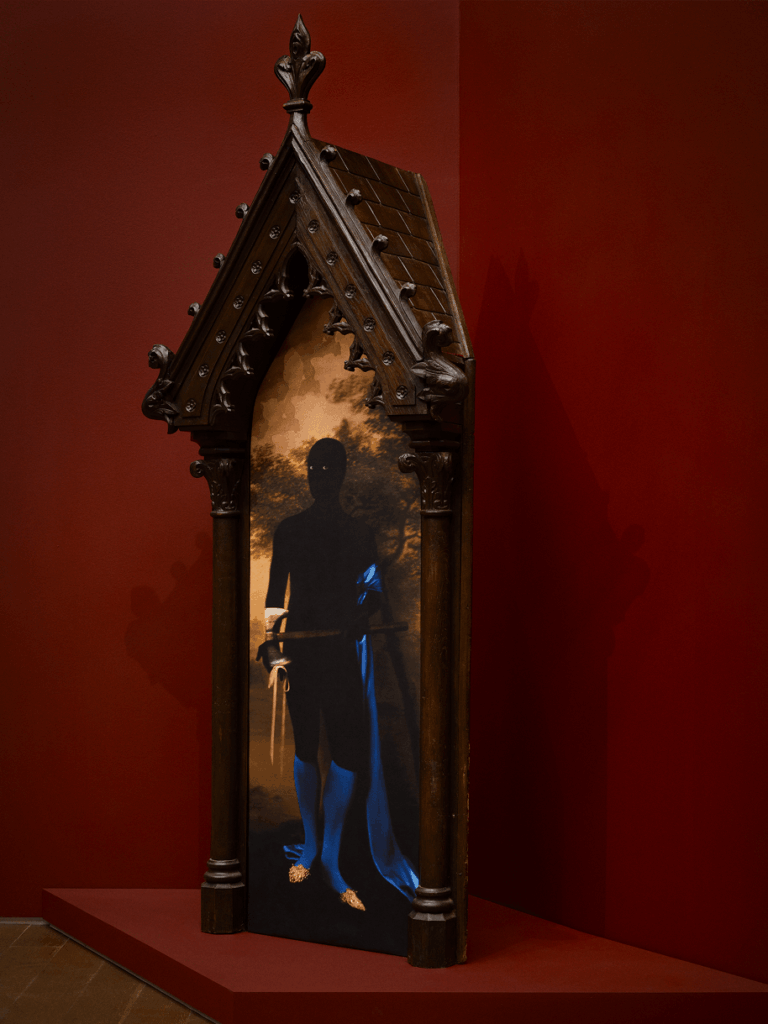
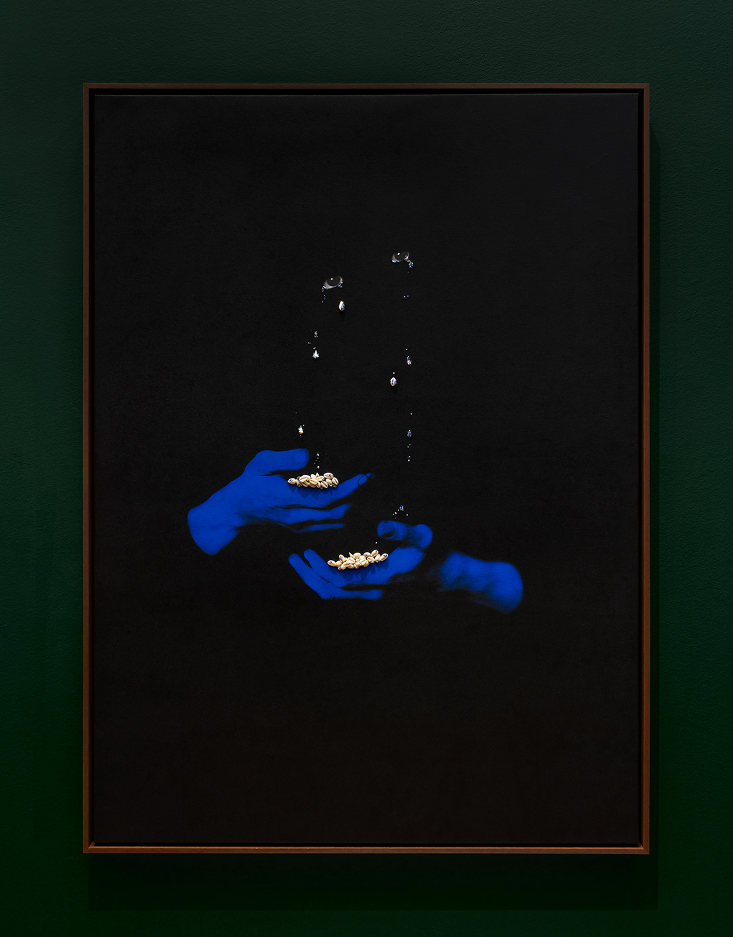
New York-based duo Elliot and Erick Jiménez are Cuban-American twin photographers and visual artists recognized for their fusion of fine art, fashion, and Afro-Caribbean narrative traditions. Drawing from Lucumí spirituality, classical painting, and their Cuban heritage, the brothers create cinematic portraits, carefully constructing the visual language and weaving rich symbolism in photography. Their work frequently explores themes of cultural memory, identity, and transformation.
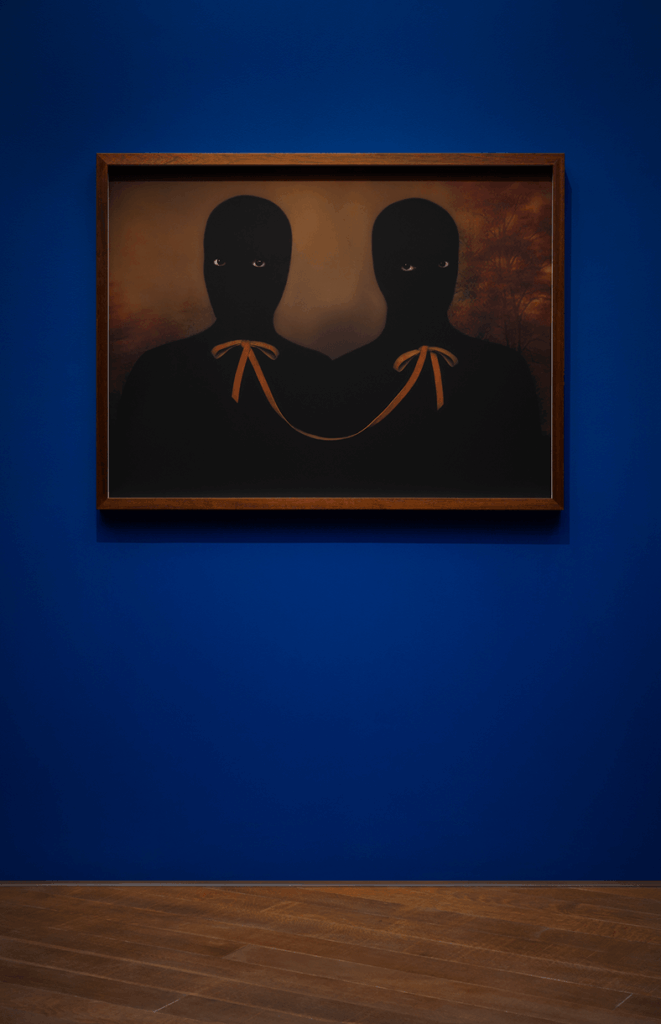
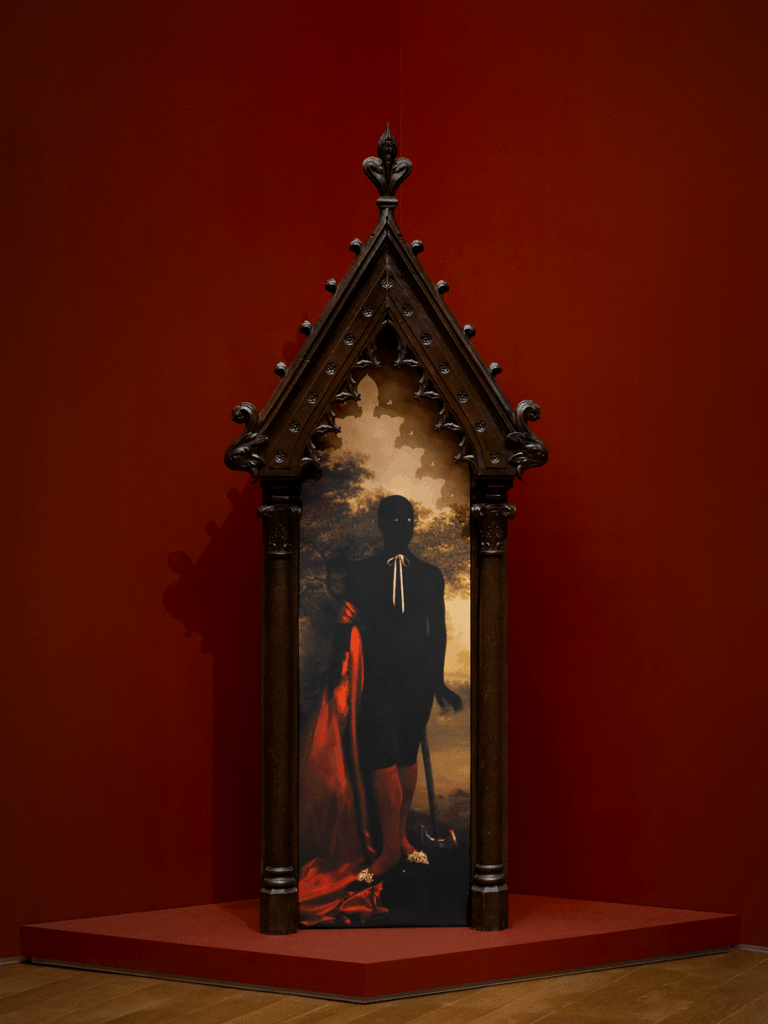
Over the past decade, their images have been exhibited at institutions including The Bass and the Modern Art Museum of Fort Worth. Their first solo museum exhibition, El Monte, was presented at the Pérez Art Museum Miami last year. The duo’s editorial and commercial collaborations include Vogue Italia, Gucci, and Hermès. In 2023, Elliot and Erick photographed Bad Bunny on TIME Magazine’s historic first Spanish-language cover—a defining cultural moment that expanded Latin representation in international media. They have received honors from the CINTAS Foundation, South Arts, and Oolite Arts, and continue to build a significant presence in contemporary art, fashion, and editorial photography.
hube: What was it about El Monte that resonated so deeply with you?
Elliot and Erick Jiménez: Since it was our first museum exhibition, El Monte became a pivotal moment for us. It gave us the space to learn more about ourselves as artists, to dive deeper into our ancestry, and to connect more closely with our roots, while also confronting the past in unexpected ways.
Although El Monte is a book by Cuban anthropologist Lydia Cabrera, published in 1954, for us it extends beyond the text. El Monte is also a real place in Cuba—a spiritual landscape rich with history and meaning. It’s a place people enter to make offerings, to reflect, and to seek connection with something ancestral. In that sense, it can be deeply personal.
Approaching it this way, the exhibition became our own interpretation of El Monte. We quite literally created a forest-like environment inside the museum—an immersive space that people could enter. In doing so, the work became personal not only for us, but for those who experienced it. People were stepping into our version of this sacred space, bringing their own thoughts, memories, and questions with them.
There were many overlapping conversations within the work that shaped not just our practice as artists, but how we understand and move through the world. It’s one of the most meaningful experiences we’ve had, especially seeing how powerfully the space resonated with people both within and beyond our community.
The exhibition became a way of connecting the past with the present, while also weaving in our own stories—not only through the spirituality embedded in this work, but through the lineage of Cuban artists who came before us, who engaged with this text and, in many ways, made space for us to continue these conversations and open them toward something new.
h: Growing up between cultures, how has your background informed your visual language and the stories you feel compelled to tell?
EEJ: Culture shapes how we understand the world before we even realize it’s happening. It’s in the language we use, the symbols we recognize, the way we relate to one another, the generational memory we carry, and so on. It also gives context to how a person may identify.
For us, this is especially present. As first-generation Cuban-Americans, we grew up between cultures. There wasn’t just one clear system, so we became aware early on that identity isn’t fixed—it’s something layered and shifting. We were always moving between different systems of meaning: one set of references at home, another outside. That tension made us really aware of how images carry different meanings depending on context. Our work often lives suspended in that in-between space.