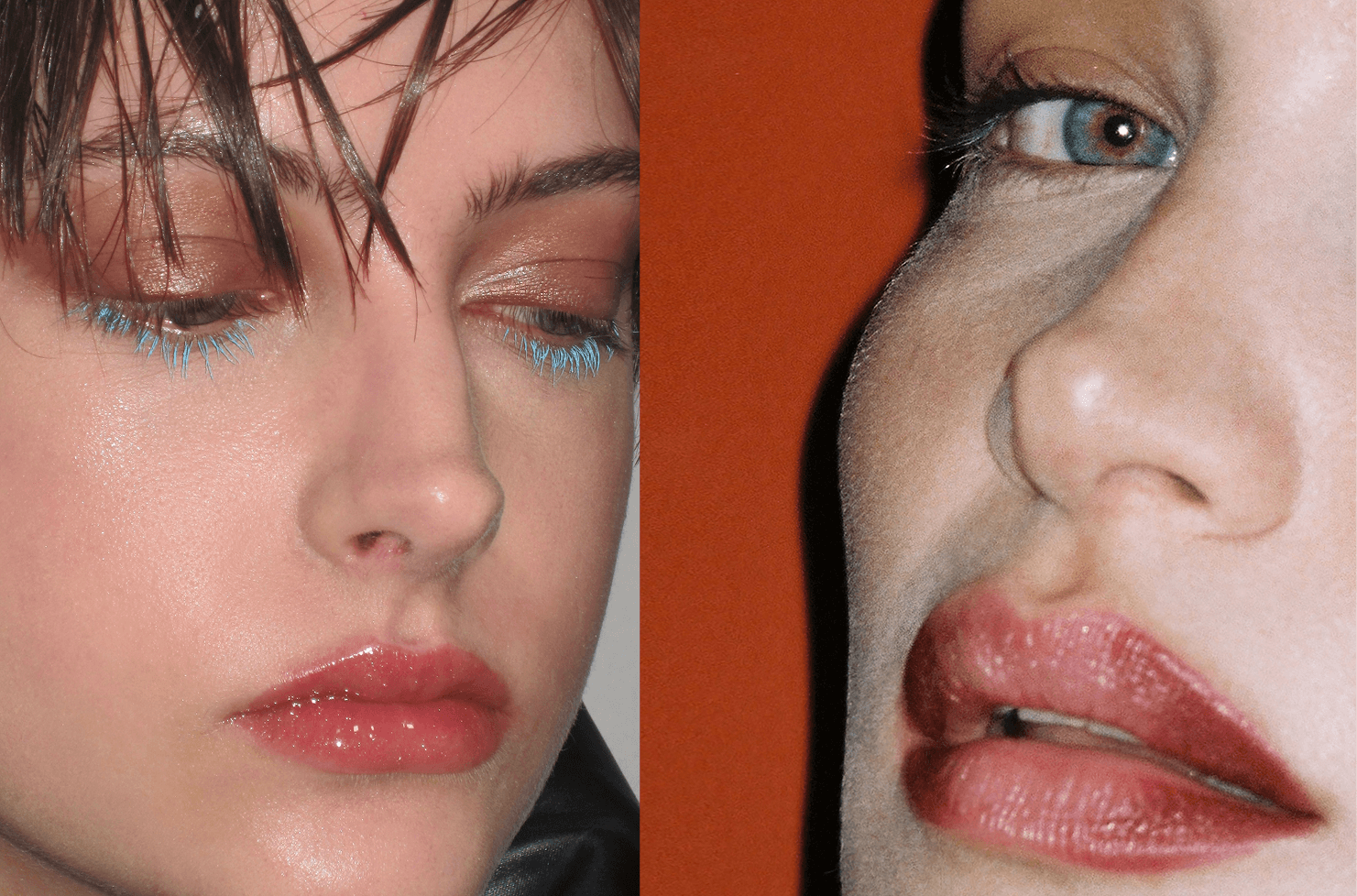
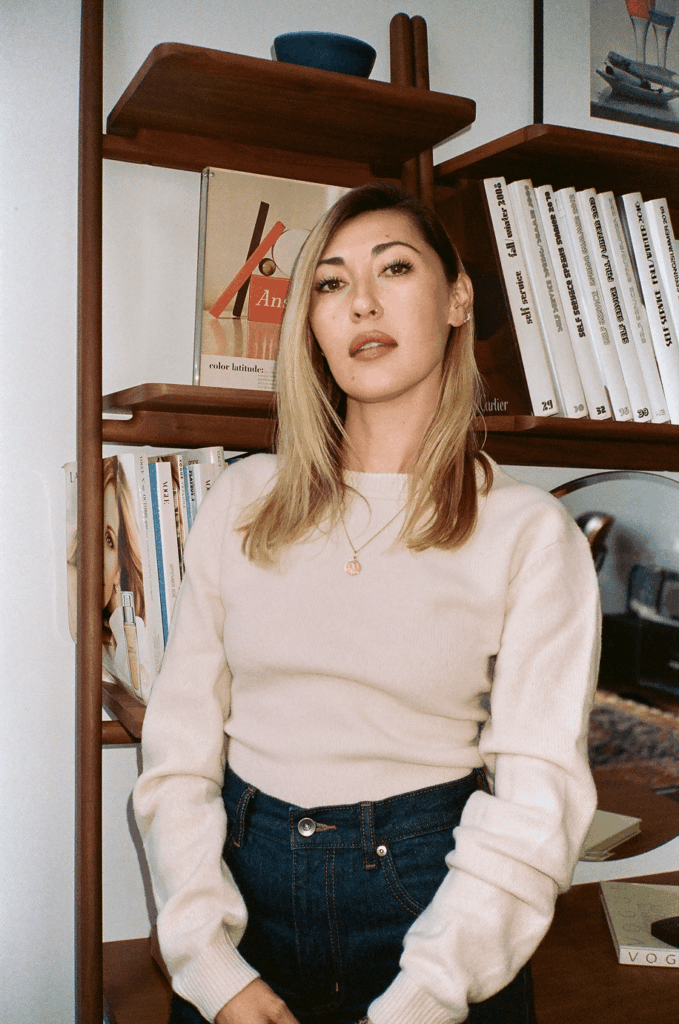
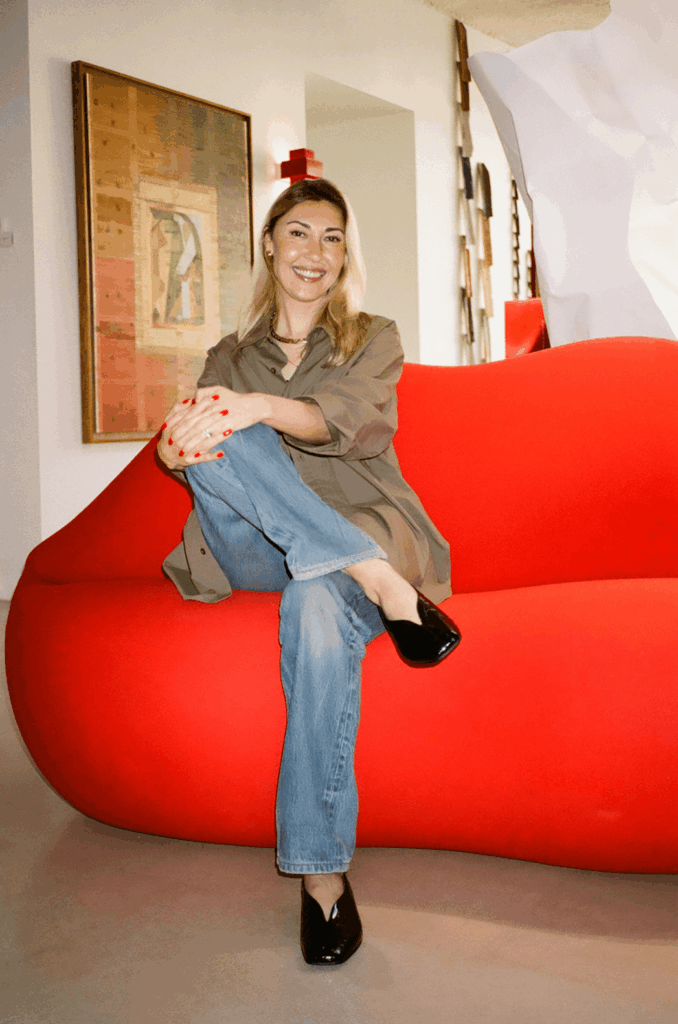
Fara Homidi began her creative life in the analog haze of the nineteen-eighties and nineties, when influence arrived not through screens but through subcultures, family kitchens, and city streets. A makeup artist and founder of the high-end makeup line Fara Homidi Beauty, she doesn’t only highlight the look but also the personality behind it. She has spent years translating inner character into outward expression; she listens, then finds the features worth amplifying.
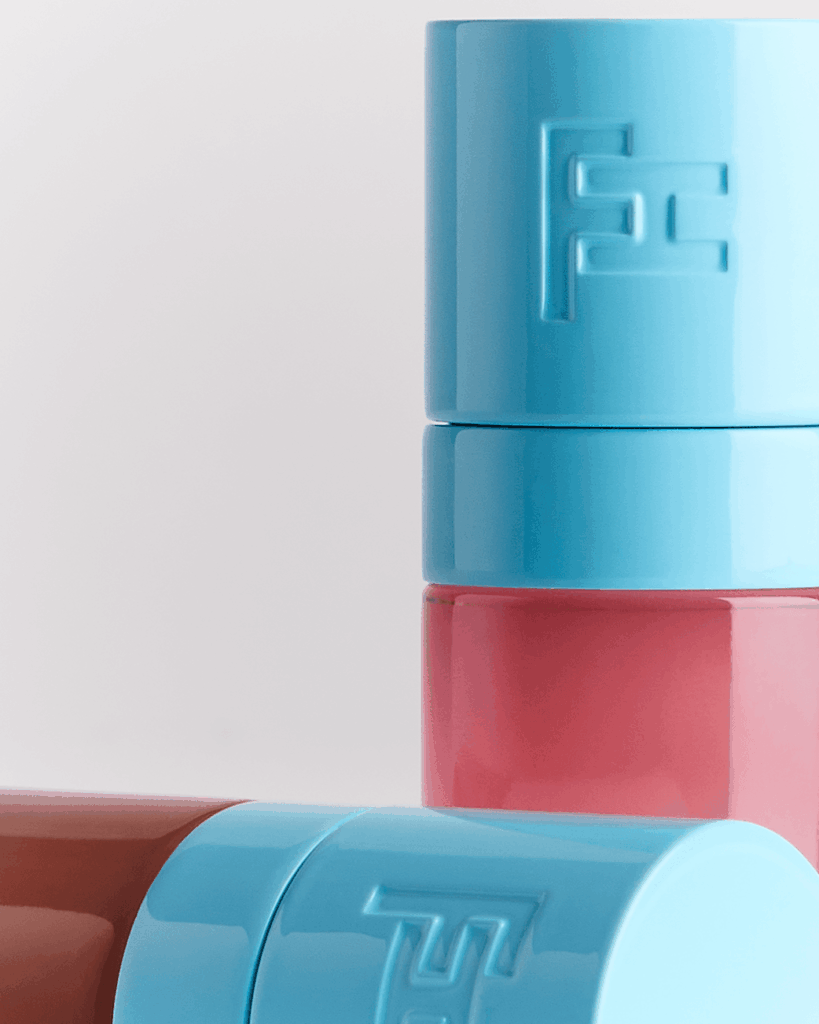
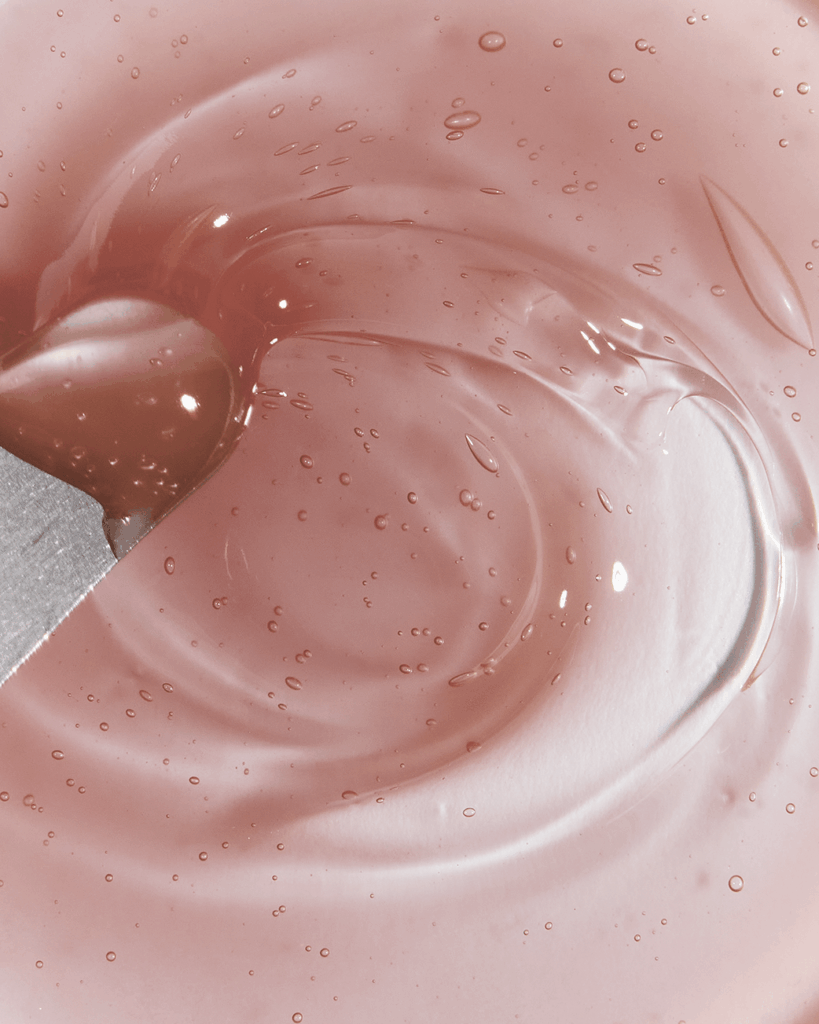
Homidi has carried that makeup philosophy into her brand, with thoughtfully crafted products and a broader ethos she calls slow beauty. Every element is considered: from the weight and finish of packaging to the way formulas sit on skin and evolve throughout the day. In Homidi’s world, beauty is not a correction of time but a conversation with it; the result is a redefinition of luxury, one that values character, memory, and the small daily ceremonies that make a life feel like one’s own.
hube: Looking back at the beginning of your career, how did your professional journey first take shape? Were there any particular encounters or people who profoundly influenced your way of thinking and the direction your work would eventually take?
Fara Homidi: I grew up in the ‘80s and ‘90s, so a lot of my influence took shape in a time when there wasn’t a collective conscience such as the internet and smartphones. Everything took place in real life, and what really shaped your outlook was subcultures, family, and community. By the time I was pursuing my artistry career in my late 20s, the digital era had taken over and film photography had become almost obsolete. The industry really took to super glossy, saturated, over-retouched imagery—which, to be frank, didn’t fully resonate with me. Then I met and worked with Zoë Ghertner, who only shot on film, and showed women’s quiet strength in a more raw way. When it came to beauty, I knew I’d found an artist whose direction in imagery really clicked with my hand-painted makeup artistry style. That opened my eyes to the direction I wanted to keep growing in, and along the way, I met so many other talented women who had their own perspectives, but also sought out imagery that felt honest yet sophisticated.