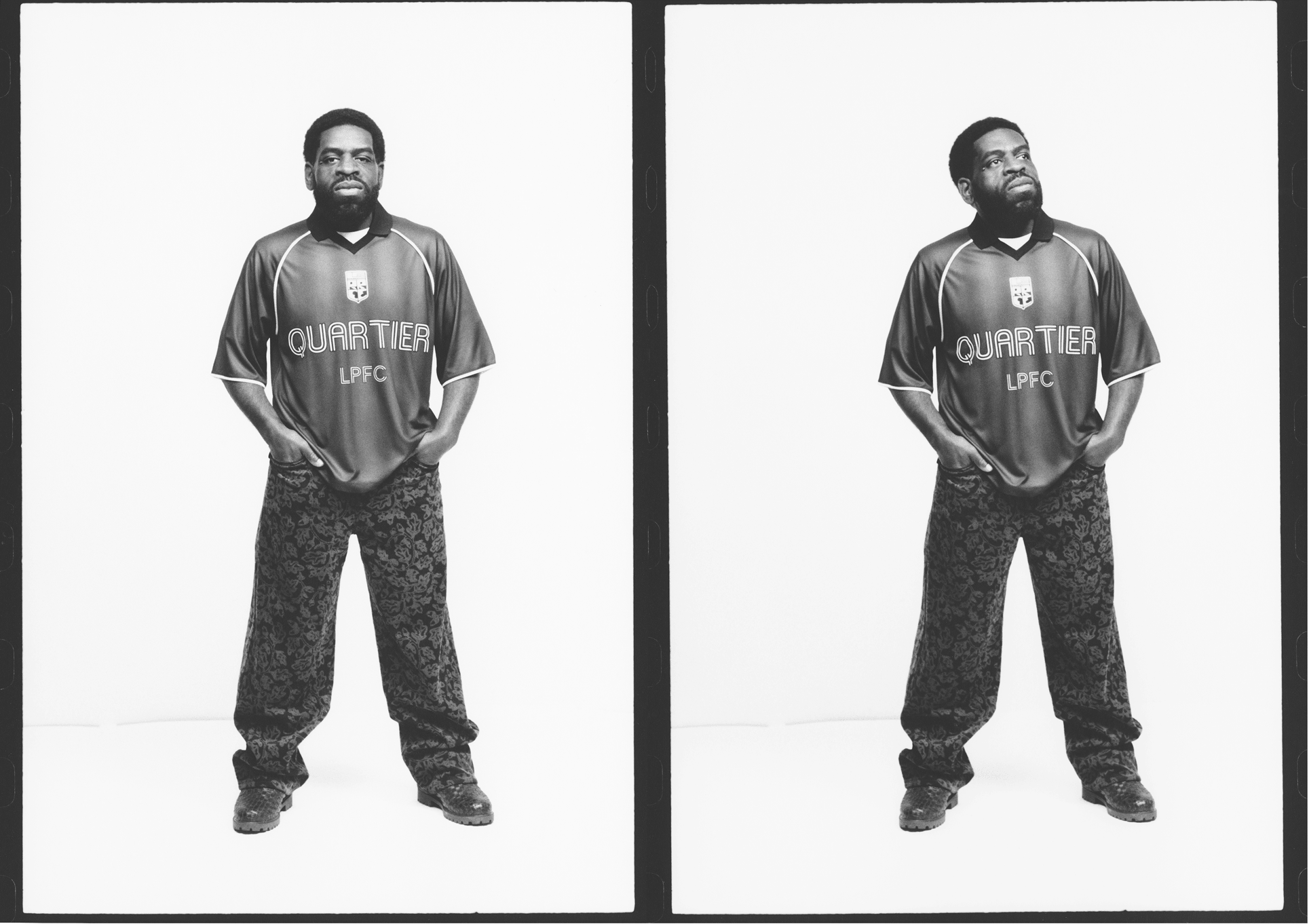
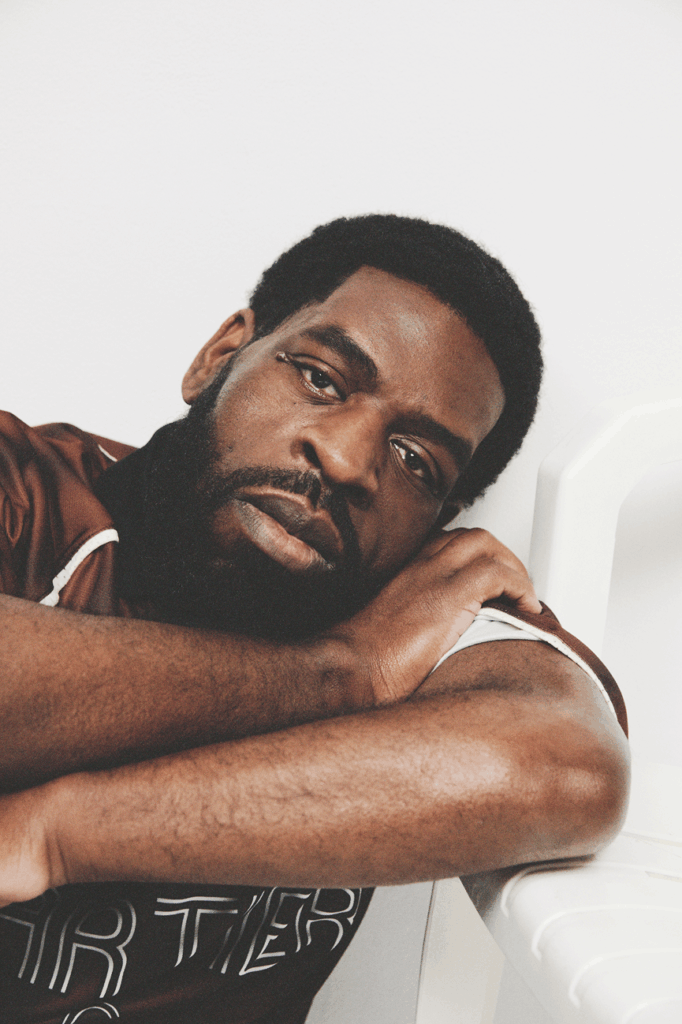
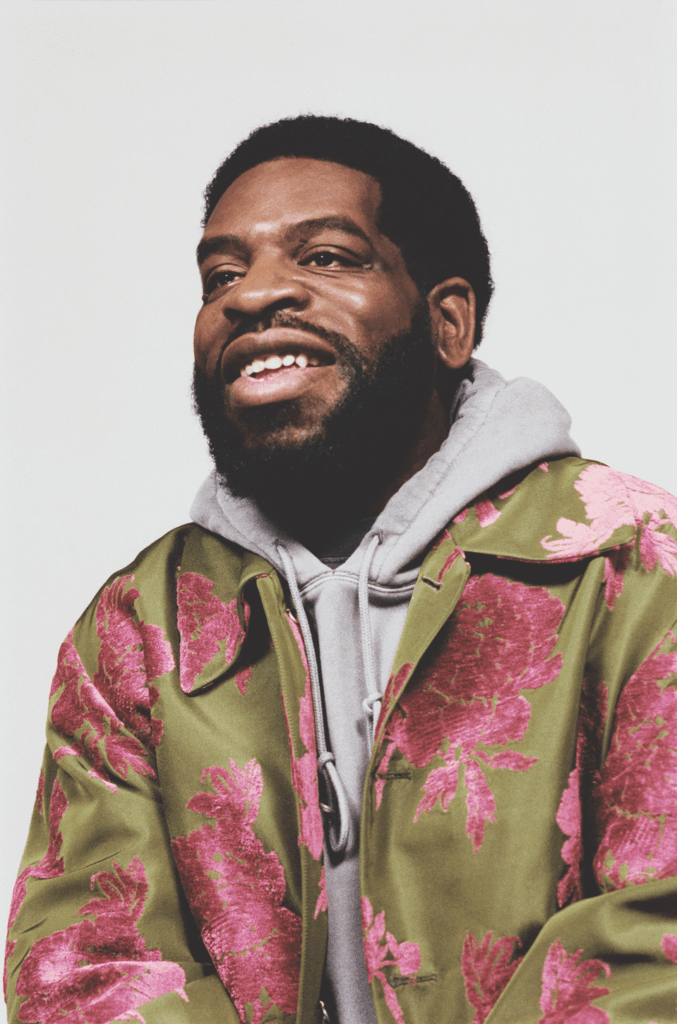
When Hanif Abdurraqib was born, his father sang the call to prayer in his ear—a melody that has echoed onward through his life. “I’m not a singer,” admits the Ohio-based writer, “I can’t sing well and I don’t attempt to sing often. However…l like to think that poetry most commonly stumbles towards me in the sense of song. I talk about paying close attention to the world, and what I mean is paying close attention to the sounds and small movements in the world and trying to arrange them in a way that has a musicality and a beauty to it.” His writing is energetic and tender, marked by breathless urgency and a lyrical precision that recognises the potential of every word and sentence. A believer in the co-authorship of art and life, Abdurraqib says he writes in search of shared revelation: “I’m always seeking that specific common ground with others… to say, you aren’t going to feel exactly as I feel, but you might come close, and in that closeness we might connect.” We hope the conversation that follows moves you toward this possibility.
hube: Cultures are constantly connecting and transforming. Does “evolution” describe this process, or would you choose a different word?
Hanif Abdurraqib: I think evolution is perhaps a good word, but not an all-encompassing one. A central crisis of my own mind is that it actually feels like we are at an interesting point right now. One could look at the cultural landscape and say we are in the midst of singularly great innovations from the standpoint of technology, and from the standpoint of having access to one another, and from the standpoint of having more ways to reach more people than ever. However, this has come at an immense cost, I think, to the infrastructures that rely on actual material human connection. There is a cultural ecosystem that relies on the health of our brains, and our hearts, and our ability to pay close attention to the movements of the world—and it feels like there’s been a devolution of that. This is the cost of what some people would consider grand evolutions in technological infrastructure. An infrastructure that is supposedly leading to us having more access to one another than ever, but I think what it’s actually doing is isolating people. So, evolution is the baseline word that I think makes sense. However, I think that for the first time in my life, I’m really grappling with the cost of this so-called “evolution.” I simply don’t believe that the surrender of our hearts and minds should be the price of admission for what people have fooled themselves into thinking evolution is. There is no worthwhile evolution that leaves our hearts and our brains behind.