For a few days, Basel gathers curators, collectors, artists, and art-world insiders whose lives orbit around art. Art Basel returns each year—and still manages to rewrite the narrative every time.
From June 18th to 21st, 2026, the city hosts one of the most influential meetings of the global art scene, bringing together 290 galleries and over 4,000 artists from 43 countries and territories. Across Messe Basel and throughout the city, the fair operates as a layered system of exhibitions, talks, and large-scale installations in constant exchange.
The programme spans Galleries, Feature, Statements, Premiere, Edition, and Kabinett, each offering a different perspective on history, emerging voices, and experimental formats. One of the key sections, Unlimited, moves beyond the booth into expansive environments of sculpture, performance, and moving image curated this year by Ruba Katrib.
Digital and hybrid practices come into focus in Zero 10, where AI-led and computational works reflect today’s shifting image culture. Parcours carries the fair into Basel’s streets and landmarks through site-specific works woven into the urban landscape.
A new highlight, Basel Exclusive, presents selected works for the first time during the VIP preview, reinforcing Basel as a space of first encounters. From museum-level works to bold new commissions, the fair compresses past, present, and near future into a single moment.
Explore our guide to discover parallel events and projects across the city—key stops for sensing the pulse of contemporary art beyond the fairgrounds.
Pierre Huyghe
Fondation Beyeler
May 24th—September 13th, 2026
At Fondation Beyeler, Pierre Huyghe turns the museum into a volatile ecosystem where film, sound, living organisms, objects, and machine learning collide in constantly shifting configurations. Conceived for the space, the exhibition weaves together new works, recent films, and earlier pieces through immersive environments where the boundaries between fiction and reality, and human and non-human presence, begin to dissolve.
Long known for creating autonomous artistic systems, Huyghe treats the exhibition less as a static display than as a living condition in constant mutation. Fragmented voices, shifting temporal rhythms, and artificial intelligences drift through the galleries, forming what the artist calls a “soulscape”—a psychological terrain suspended between perception and uncertainty.
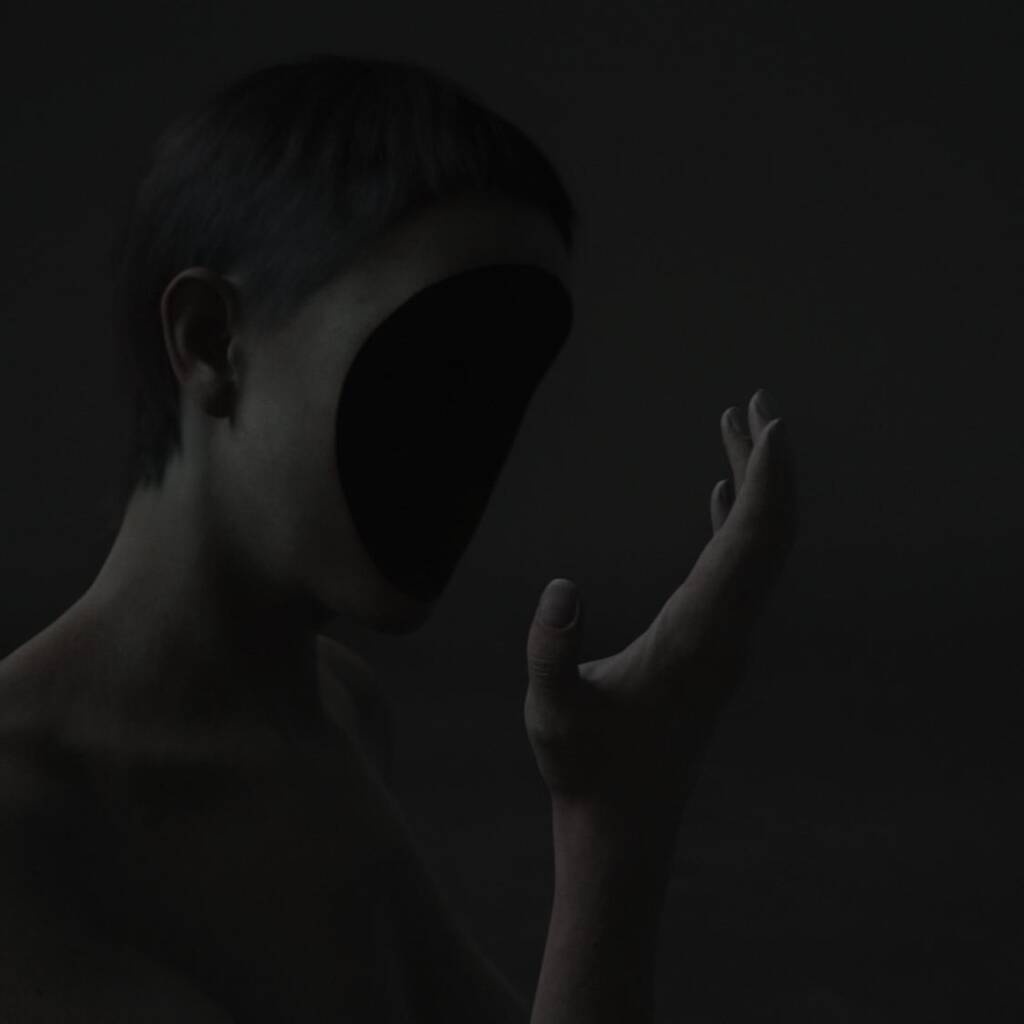
Liminals, 2025. Film still, Commissioned by LAS ART FOUNDATION and HARTWIG FOUNDATION
Courtesy of PIERRE HUYGHE/ADAGP, Paris (2026)
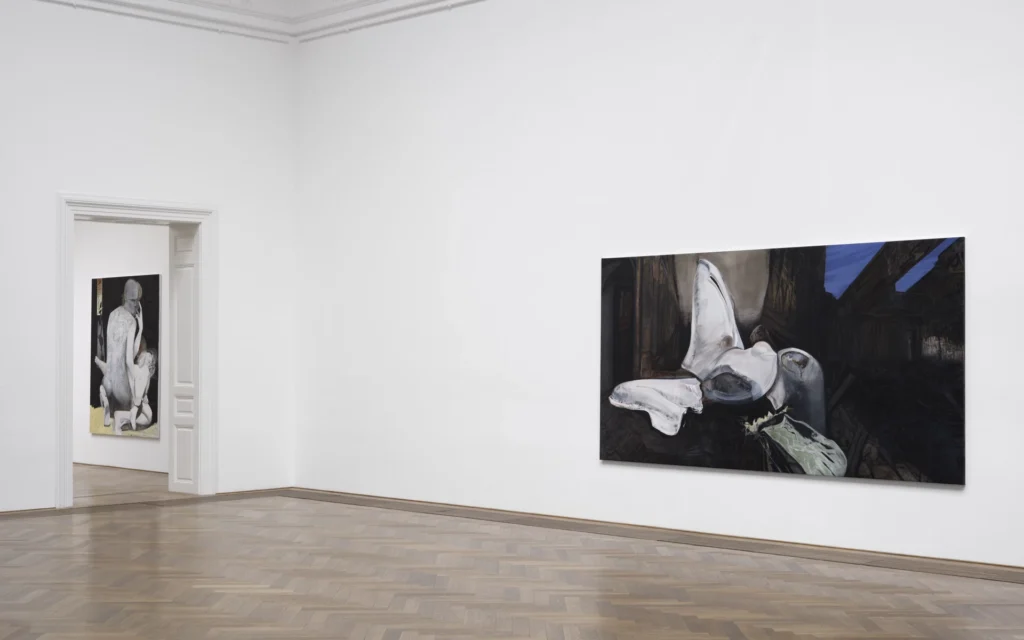
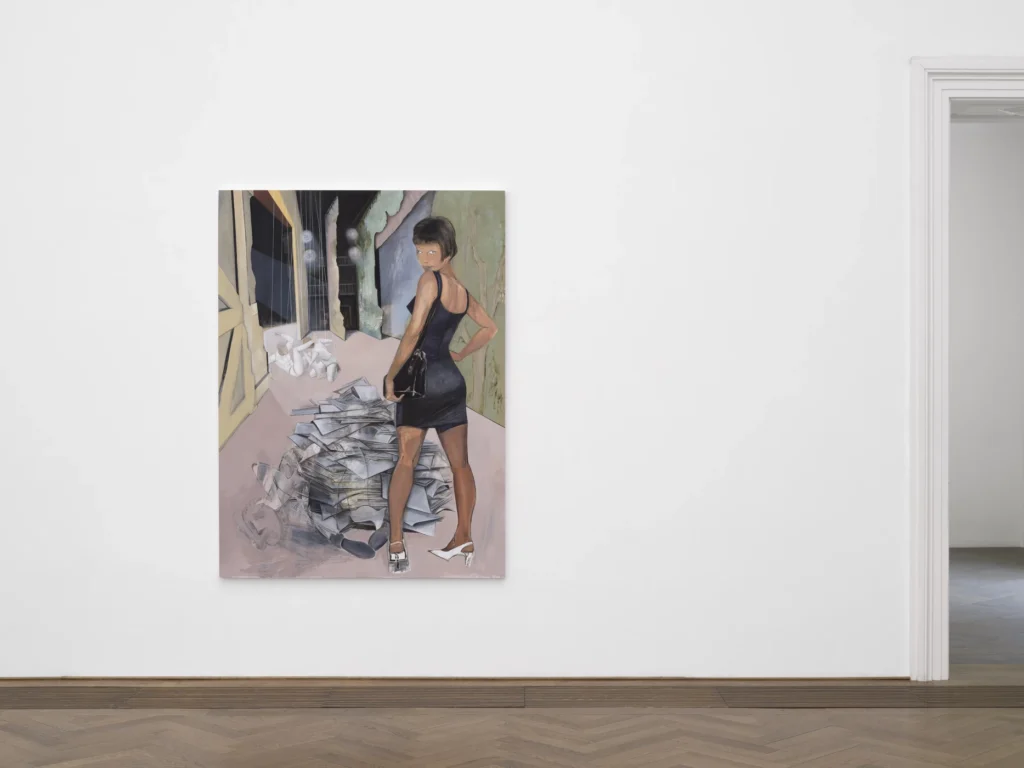
Geneva, exhibition view, KUNSTHALLE BASEL, 2026,
Photography by PHILIPP HÄNGER / KUNSTHALLE BASEL
Janiva Ellis: Geneva
Kunsthalle Basel
May 1st—August 9th, 2026
Now on view at Kunsthalle Basel, Janiva Ellis’s first institutional solo exhibition in Europe gathers eleven new paintings charged with instability, friction, and dark humour. Moving restlessly between figuration and abstraction, Ellis builds visual collisions where religious iconography, fractured landscapes, erotic suggestion, internet culture, and art-historical references bleed into one another with unnerving intensity.
Her paintings confront the persistent architecture of white supremacy embedded within cultural imagery, yet they refuse fixed interpretation or moral clarity. Satire slips into violence, vulnerability clashes with absurdity, and cartoonish distortions sit beside monumental forms without dissolving the emotional pressure of the work. Scraped surfaces, erased marks, and visible revisions remain embedded within each canvas, giving the paintings the nervous energy of thoughts still in formation.
Hella Jongerius: Whispering Things
Vitra Design Museum
March 14th—September 6th, 2026
At Vitra Design Museum, a sweeping retrospective dedicated to Hella Jongerius traces how objects absorb memory, care, and material intelligence across more than three decades of practice. Structured in four thematic chapters, the exhibition moves from early Droog-era experiments to recent ceramic works, bringing together furniture, textiles, prototypes, films, and archival fragments.
Jongerius resists the idea of design as finished resolution, instead foregrounding process, friction, and the expressive resistance of materials, where imperfection follows its own logic. Colour studies, experimental weavings, and major industrial collaborations reveal an ongoing negotiation between craft, industry, and authorship.
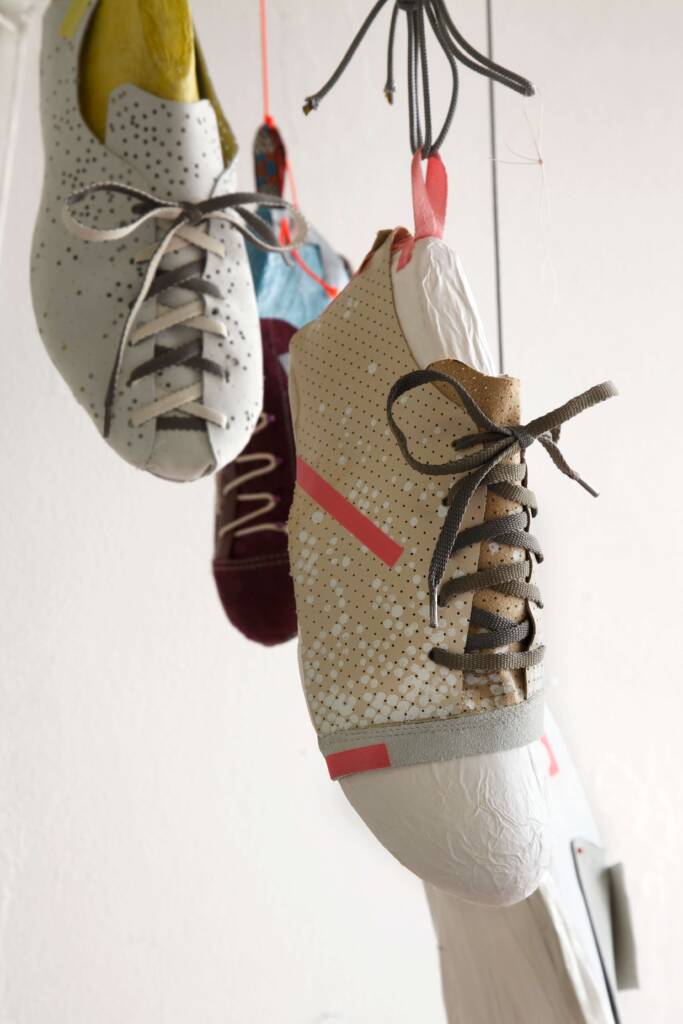
A Tribute to Camper, 2009
© JONGERIUSLAB, photography by ERNST MORITZ
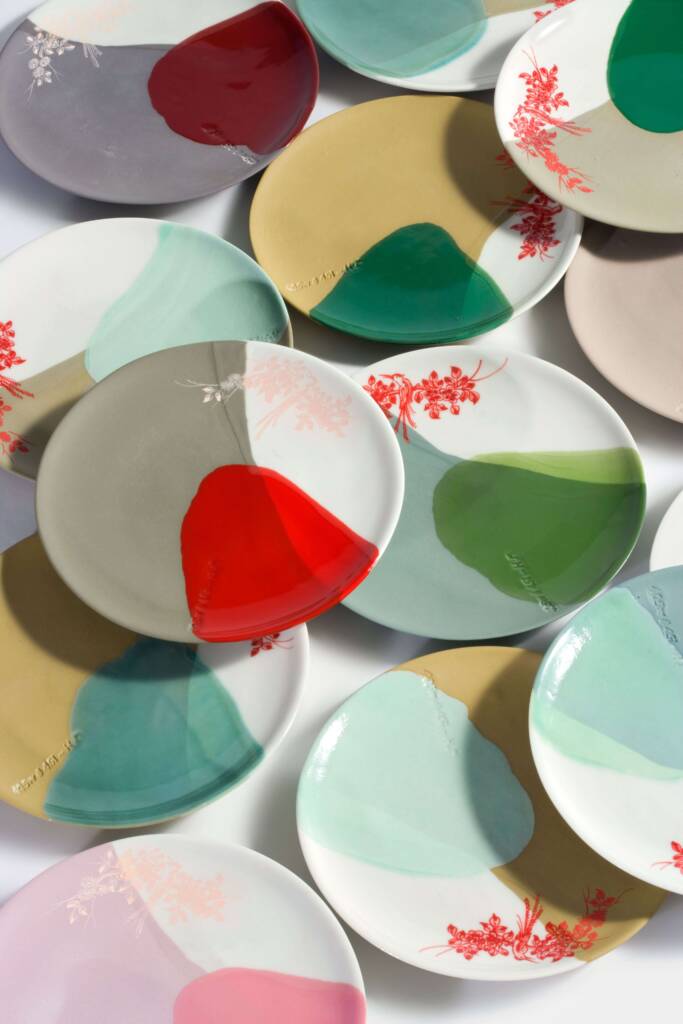
Porcelain, Colour Research, 2006
© JONGERIUSLAB, photography by GERRIT SCHREURS
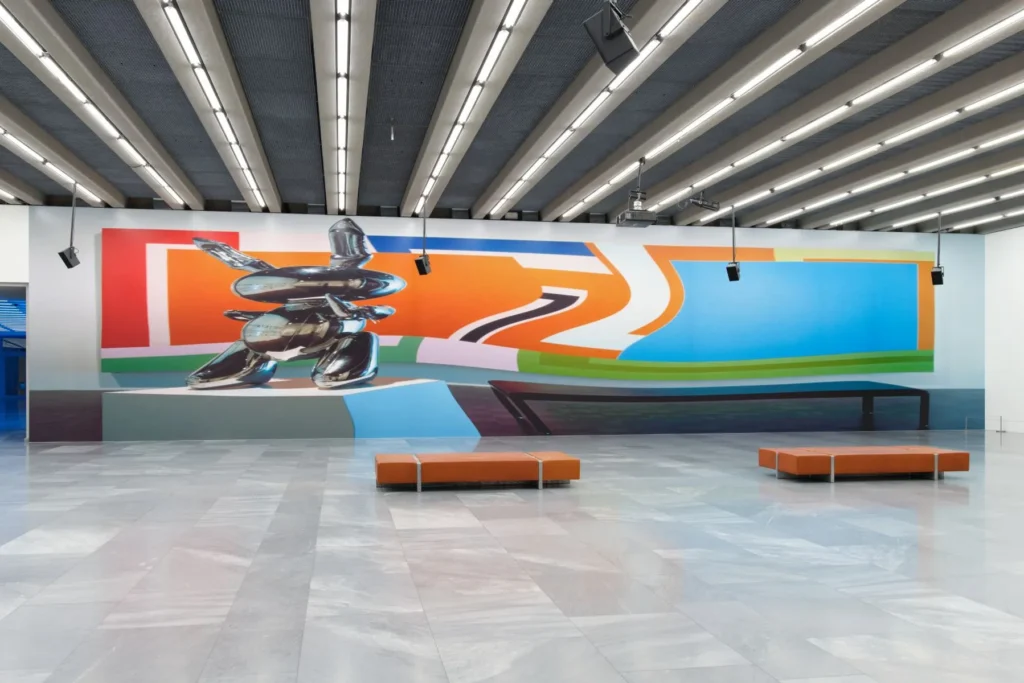
Courtesy of LOUISE LAWLER and SPRÜTH MAGERS, Photography by GINA FOLLY
Louise Lawler: Collection presentation
Kunstmuseum Basel
May 27th, 2024—December 31st, 2026
At a focused display of collection highlights in Kunstmuseum Basel, the hanging brings together photography, installation, and canonical modernist works in a single visual field, probing how context reshapes meaning.
Two large wall works by Louise Lawler enter into dialogue with pieces by Frank Stella and Sol LeWitt, tightening the exchange between documentation, display, and art history.
Lawler’s “adjusted to fit” works reshape photographic images to the architecture itself, folding the exhibition space into the image. One revisits Jeff Koons’ Rabbit alongside Peter Halley within a Whitney Museum context; another refracts Jasper Johns’ flag through repetition and erasure.
Printed on wall-applied vinyl, the works blur image and environment, exposing how artworks circulate through institutions and memory rather than remaining fixed icons.
Max Beckmann
Hauser & Wirth
June 4th—July 11th, 2026
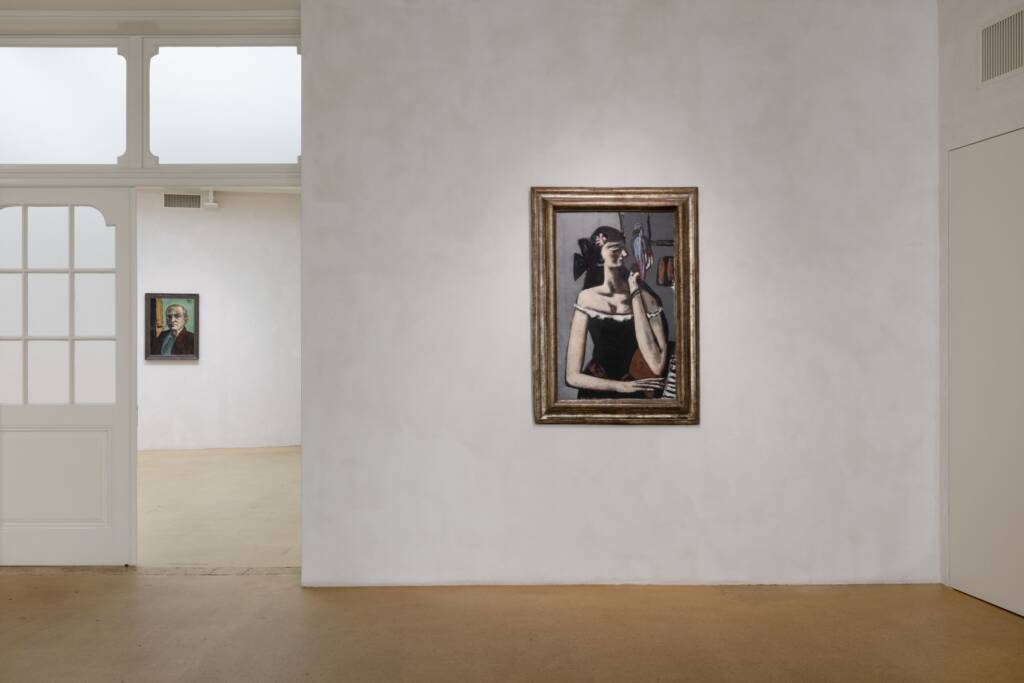
Max Beckmann is among the most renowned painters of the 20th century. He forged a highly distinctive figurative style, filled with psychological intensity, that never fit neatly into Expressionism or New Objectivity. From his early rejection of academic conventions to the bold, compressed compositions and symbolic imagery he created in response to the traumas of World War I and the Nazi era, his art consistently bridges the intimate and the monumental.
This exhibition, curated in close collaboration with the artist’s granddaughter, Mayen Beckmann, offers a journey through his entire career. Hauser & Wirth presents a rich selection of his powerful social allegories alongside portraits and landscapes, capturing Beckmann’s perception of myth, religion, and personal experience.
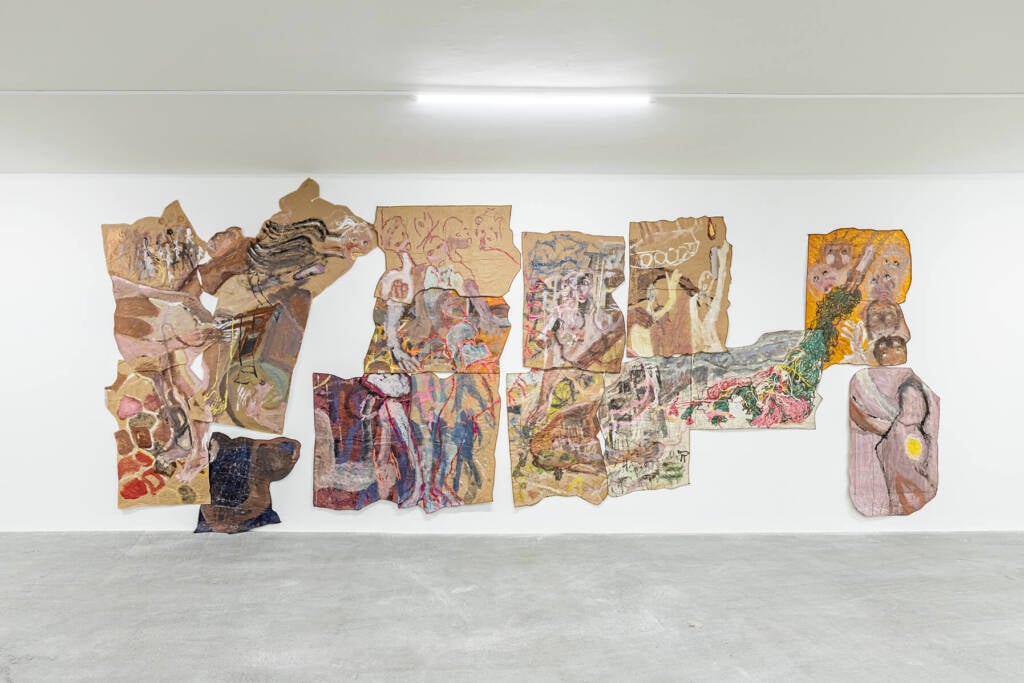
Fragmentation, from the series Quel est le sens de la vie sur terre et la fabrique de la conscience, 2024
Photography by SAHIR UĞUR EREN. Courtesy of the artist and FORTES D’ALOIA & GABRIEl, São Paulo/Rio de Janeiro
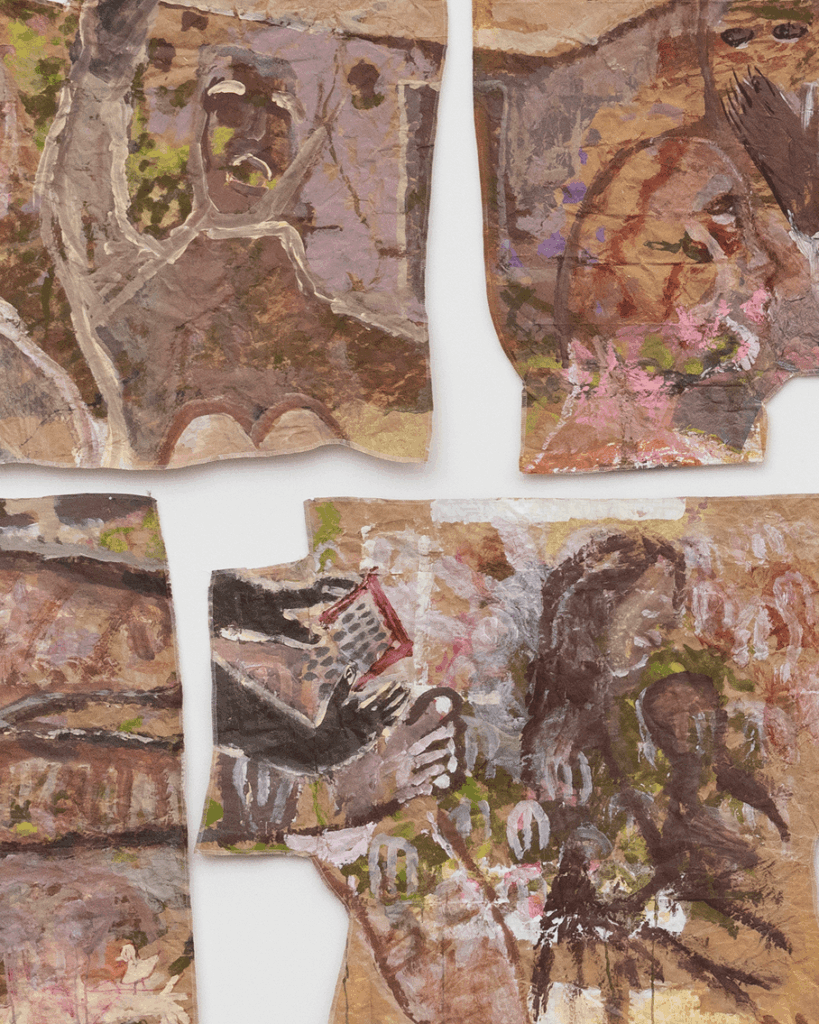
Fragmentation, detail, 2023-2024
Photography by EDUARDO ORTEGA. Courtesy of the artist and FORTES D’ALOIA & GABRIEl, São Paulo/Rio de Janeiro
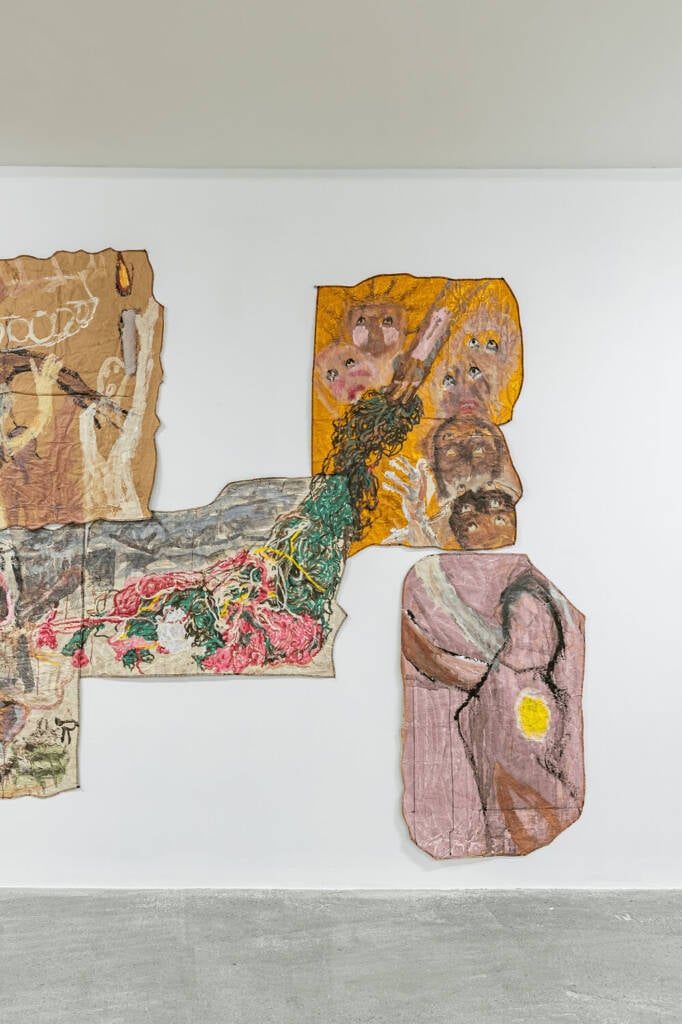
Fragmentation, from the series Quel est le sens de la vie sur terre et la fabrique de la conscience, detail, 2024.
Photography by SAHIR UĞUR EREN. Courtesy of the artist and FORTES D’ALOIA & GABRIEl, São Paulo/Rio de Janeiro
Fortes D’Aloia & Gabriel at the Art Basel Parcours
Booth K17
June 18th—June 21st, 2026
Fortes D’Aloia & Gabriel marks its 25th anniversary at Art Basel 2026 with a focused presentation tracing a quarter-century of artistic exchange, experimentation, and intergenerational dialogue. Inside the booth, 25 artists come together in a dense constellation of works across painting, sculpture, and installation, reflecting the gallery’s evolving yet consistent vision.
This year’s selection spans distinct voices and generations, united by a shared drive toward material risk and conceptual inquiry. Featured artists include Barrão, Anderson Borba, Rodrigo Cass, Leda Catunda, Iran do Espírito Santo, Márcia Falcão, Pélagie Gbaguidi, Lucia Laguna, Sophia Loeb, Rodrigo Matheus, Beatriz Milhazes, Ernesto Neto, Rivane Neuenschwander, Damián Ortega, Mauro Restiffe, Marina Rheingantz, Valeska Soares, Gokula Stoffel, Tadáskía, Antonio Társis, Janaina Tschäpe, Erika Verzutti, Cerith Wyn Evans, Yuli Yamagata, and Luiz Zerbini.
Beyond the fair, the gallery joins the Parcours programme with a major installation by Pélagie Gbaguidi at St. Clara Church. Reworking a medieval apocalyptic narrative through fragmented materials, the piece speaks to rupture, memory, and collective rebuilding.
Within the church’s atmospheric interior, painted surfaces on repurposed bread bags form a delicate yet forceful language of remembrance. Sacred iconography, social tension, and material reuse collide into a fractured visual field, where history feels both exposed and reassembled.
Cao Fei. Testimonies to the Near Future
Kunstmuseum Basel | Gegenwart
May 30th—October 11th, 2026
Cao Fei stands among the most influential figures in contemporary art, building a visual language that flows between film, installation, sculpture, and digital worlds. Her work traces the rapid shifts of modern China, where technology and social change constantly reshape daily life.
At the Kunstmuseum Basel | Gegenwart, Testimonies to the Near Future marks her first solo exhibition in Switzerland and the largest European survey of her career. The museum becomes a layered cityscape, with video works and installations from the past thirty years spread across all four floors.
Key works such as RMB City, Asia One, and Nova sit alongside speculative environments where documentary and digital fiction overlap. Factories, virtual landscapes, and constructed dreamscapes collide into a shifting narrative on labour, identity, and global acceleration.
Cao Fei dissolves the boundary between reality and imagination, inviting viewers to move through these worlds as participants rather than observers. Screens spill into physical space, turning fragments of virtual life into tangible form.
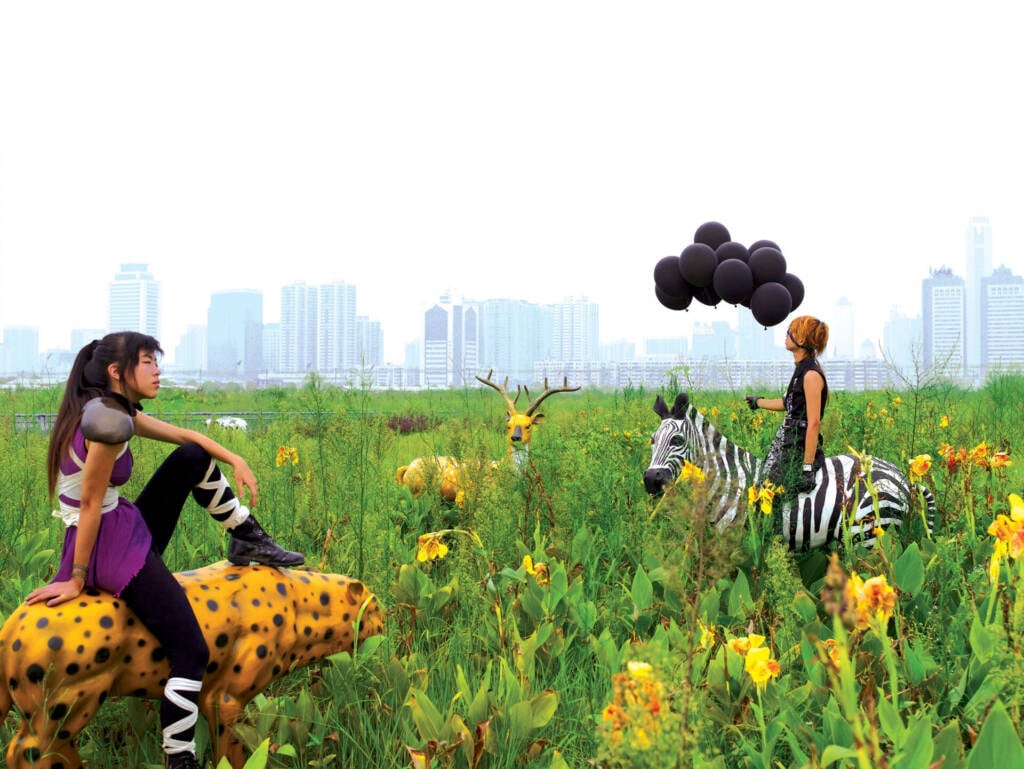
Cosplayers, 2004. Single channel vide, 9’12”
Courtesy of CAO FEI and GUANGZHOU TRIENNIAL
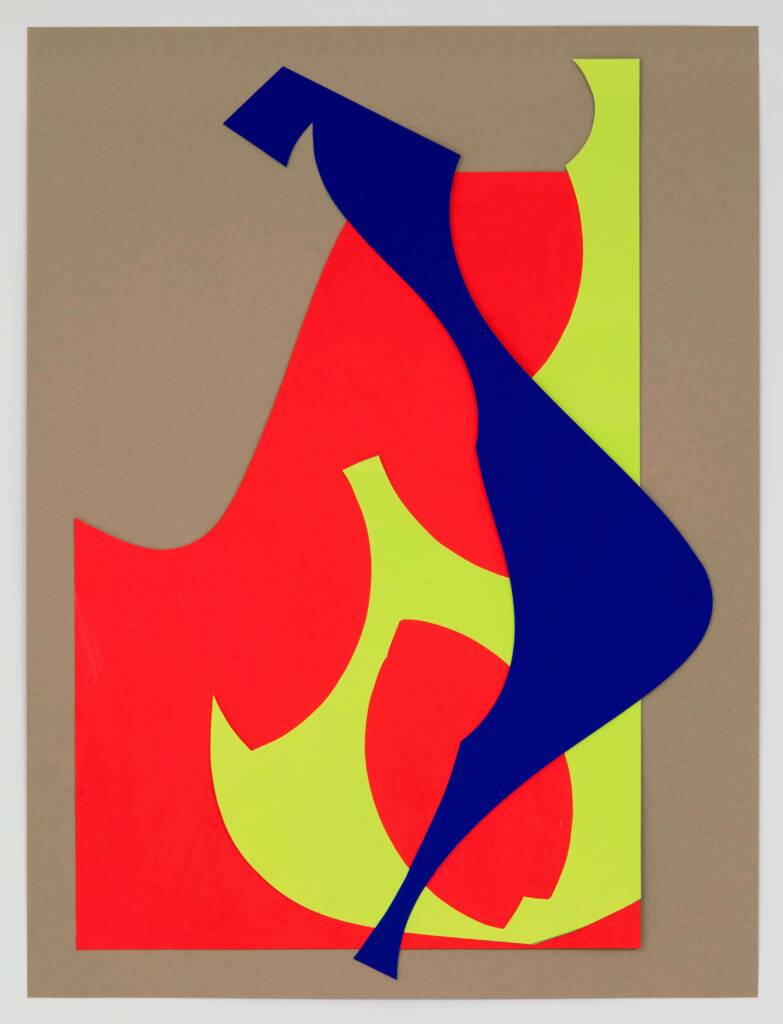
Sliced Wings, 2015-2026
Courtesy of the artist and GALERIE NORDENHAKE, Stockholm, Berlin, Mexico City
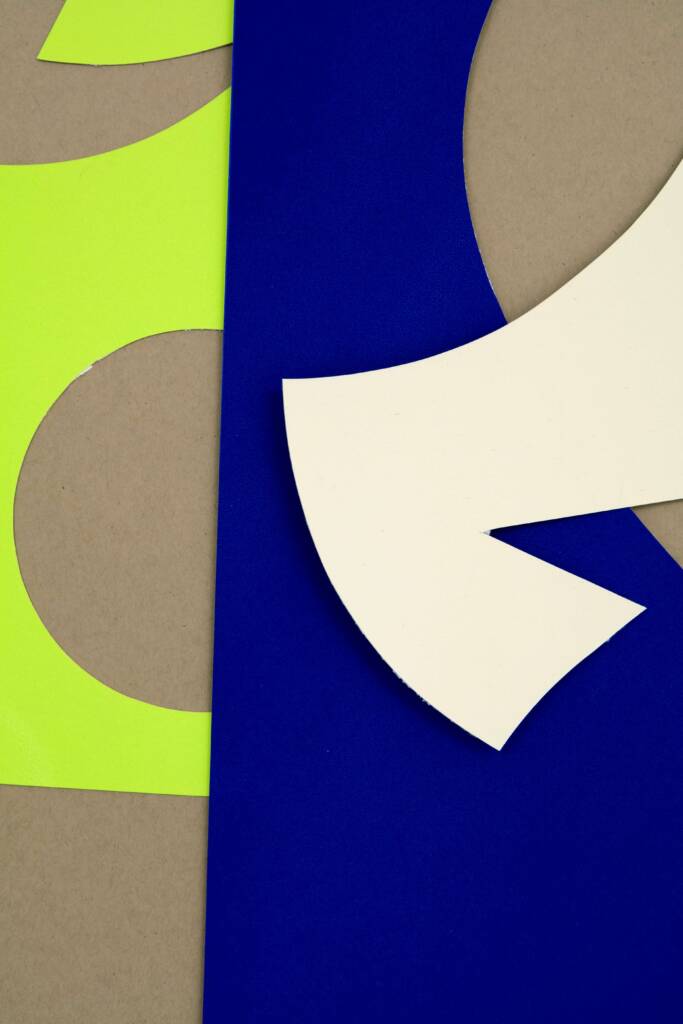
At Art Basel Parcours, Galerie Nordenhake presents Sarah Crowner in dialogue with curator Stefanie Hessler
Booth S13
June 18th—June 21st, 2026
Galerie Nordenhake celebrates its 50th anniversary at Art Basel 2026 with a focused presentation marking five decades of engagement with abstraction, perception, and image politics. Founded in Malmö in 1976, the gallery traces a lineage from early geometric pioneers to contemporary practices across Berlin, Stockholm, and Mexico City.
Within Art Basel Parcours, Sarah Crowner extends her practice into Basel’s urban fabric through large-scale collages installed on billboards, tramways, and public columns. Using her signature “cut and sewn” approach, she layers geometric fields, fragmented figures, and musical notation, turning the city into a shifting visual rhythm.
Developed with curator Stefanie Hessler, the intervention turns everyday movement through the city into a sequence of visual encounters. Crowner dissolves the boundary between painting and public space, where abstraction operates as both surface and movement.
Who Tastes Fire and Cannot Speak
CFA Gallery
June 14th—July 25th, 2026
Maja Ruznic’s first solo exhibition features a new series of oil paintings created specifically for the show. The Bosnia and Herzegovina-born, New Mexico-based artist fluidly shifts between figuration and abstraction, presenting blurred contours, shifting forms, and dreamlike transitions where heads become vessels, rooms transform into living organs, and silhouettes dissolve into rich pigment.
Drawing on active imagination and alchemical symbolism inspired by thinkers like Edward Edinger, the works function as places of psychological change, moving through cycles of dissolution, coagulation, and transformation that echo elemental forces—fire, water, earth, and air. Ruznic reflects on silence, interrupted speech, displacement, and survival, connecting personal experiences as a refugee from war with broader themes of trauma, renewal, and the limits of language. Her works blend human and mythic, merging personal history with collective wounds through expressive color fields and flowing brushwork that maintain a sense of spiritual depth without offering easy resolutions.
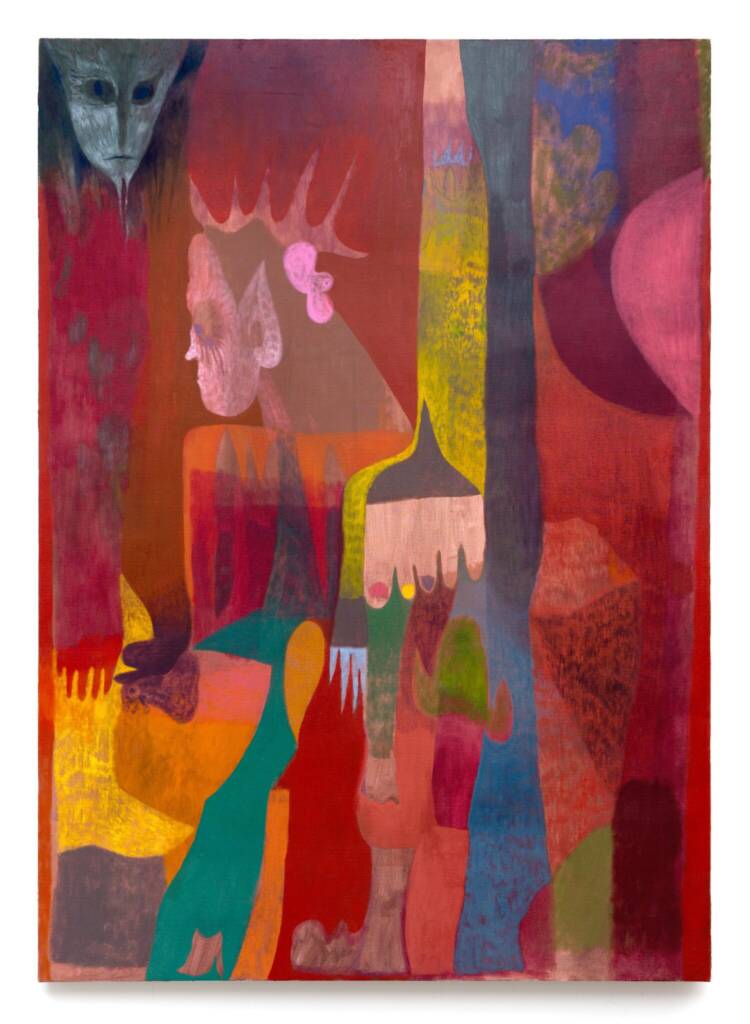
Who Tastes Fire and Cannot Speak, 2026
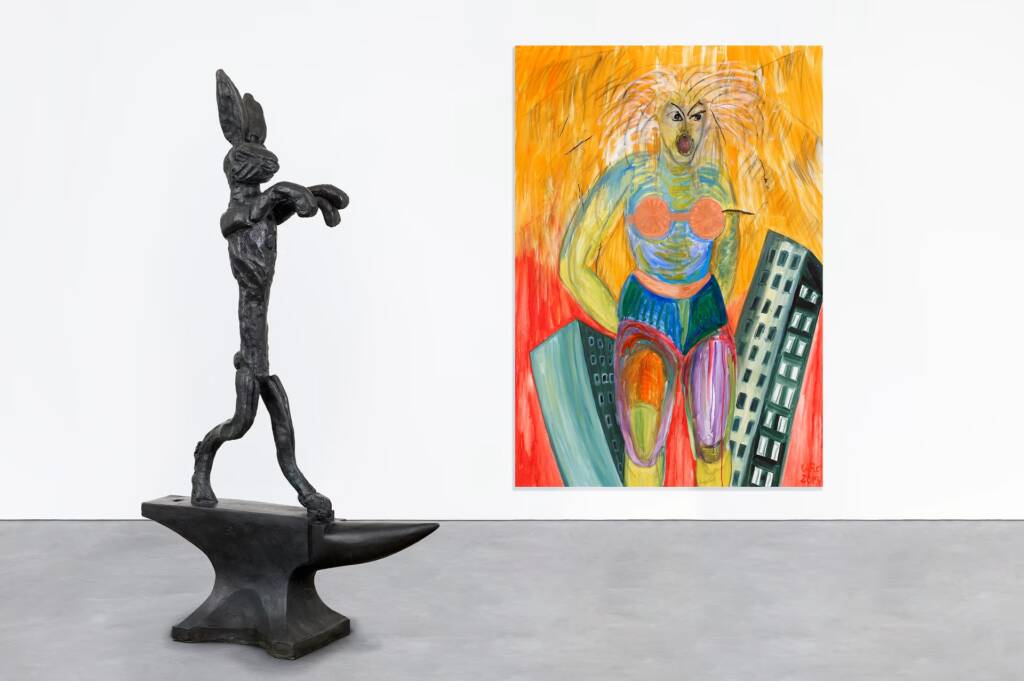
Fable and Form
Von Bartha
June 16th—Aug 8th, 2026
The newly renovated Von Bartha space in Basel marks its debut with a compelling dialogue between two distinct creative voices. The inaugural exhibition pairs Barry Flanagan’s bronze sculptures with Ursula Reuter Christiansen’s expansive paintings and drawings. Spanning different scales and mediums, the curated selection draws out a shared fascination with the fluid boundaries of fables, folklore, and fantasy.
Reuter Christiansen’s psychologically charged canvases confront viewers with mythic human figures that balance vulnerability with striking defiance. In contrast, Flanagan’s iconic bronze hares and other animal castings inject the space with a sense of wit and lightness that defies their physical weight. Together, their works function as powerful vessels for complex human emotions, offering an animated exploration of what lies just beneath the surface of storytelling.
Reverb
Museum Tinguely
March 18th—August 30th, 2026
Focused on non-verbal connection in a highly digitized world, Reverb explores the profound impact of alternative human communication. The exhibition features five video installations by Australian artist Angelica Mesiti, whose multidisciplinary practice blends film, performance, and sound.
Through her work, Mesiti highlights how music, movement, physical gestures, and shared rituals possess the power to shape identity and cultivate a deep sense of community. The ordinary elements of everyday life are transformed into enchanting visual studies of human resonance. Ultimately, the show’s title speaks to more than just literal acoustic echoes; it underscores how cultural traditions and ideas travel across time, continuing to influence and reverberate through different spaces.
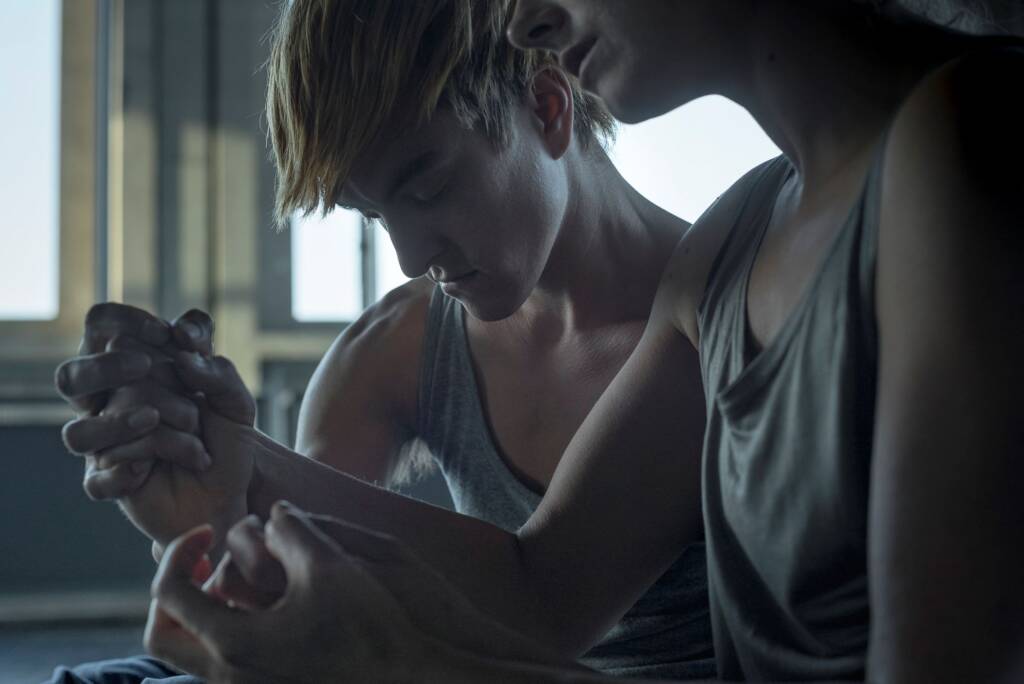
Relay League (video still), 2017, 3-channel HD video installation © 2026 PROLITTERIS, Zurich; Copyright the artist
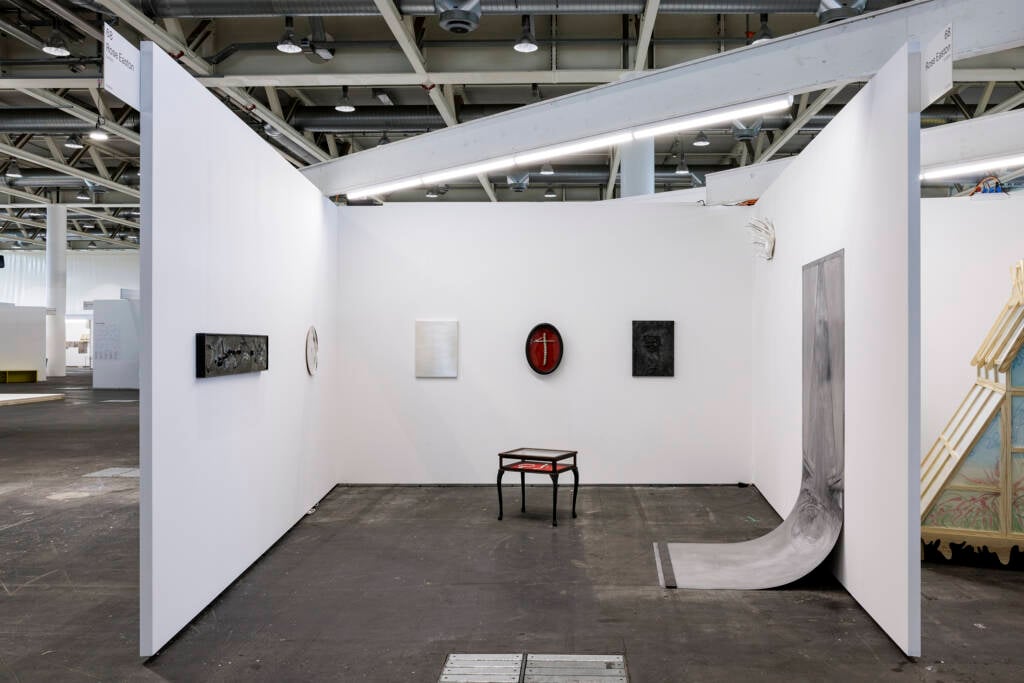
Photography by GINA FOLLY
Courtesy of LISTE ART FAIR BASEL
Liste Art Fair
Messe Basel
June 15—21st, 2026
As a global platform for contemporary art, Liste Art Fair continues to discover emerging talent and new gallery practices. The 2026 edition welcomes 105 galleries representing 36 different nations, balancing commercial vitality with careful curatorial oversight. The fair closely tracks shifting artistic tendencies while fostering visibility for a rising generation of creators.
This iteration places a strong emphasis on solo and duo presentations, giving visitors an intimate, in-depth look at ambitious, current projects. The fair’s recently redesigned architecture highlights the Wall section, a dedicated space showcasing five independent international project spaces and artist-run initiatives. This year’s expansive public program features live performances, critical talks, cinema screenings, and the Spine Book Forum to invite deep engagement with the most pressing themes of contemporary art.
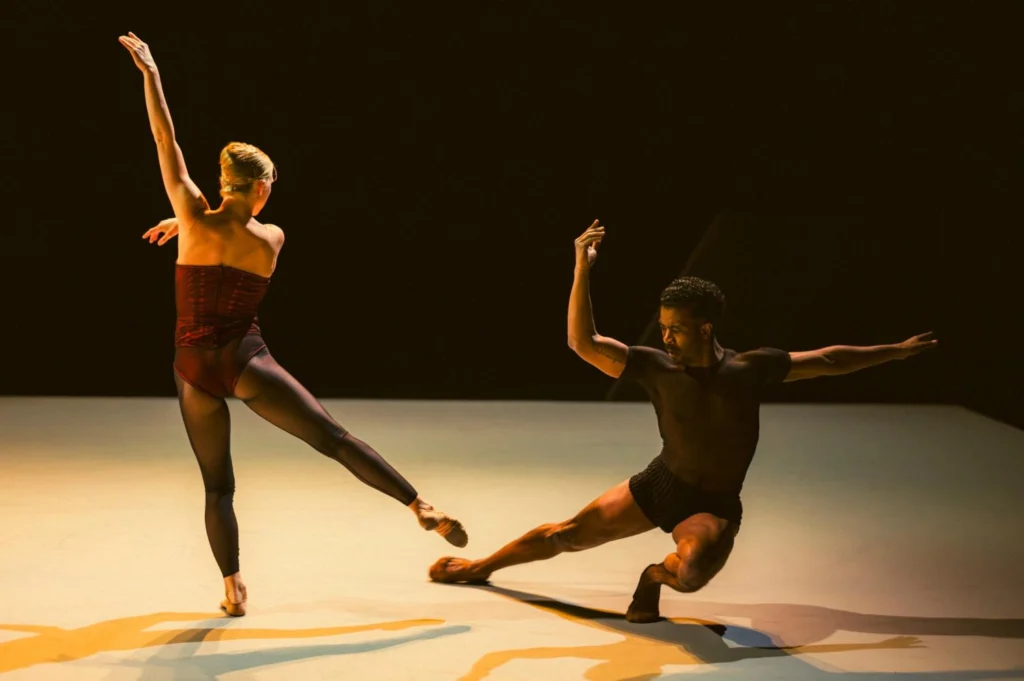
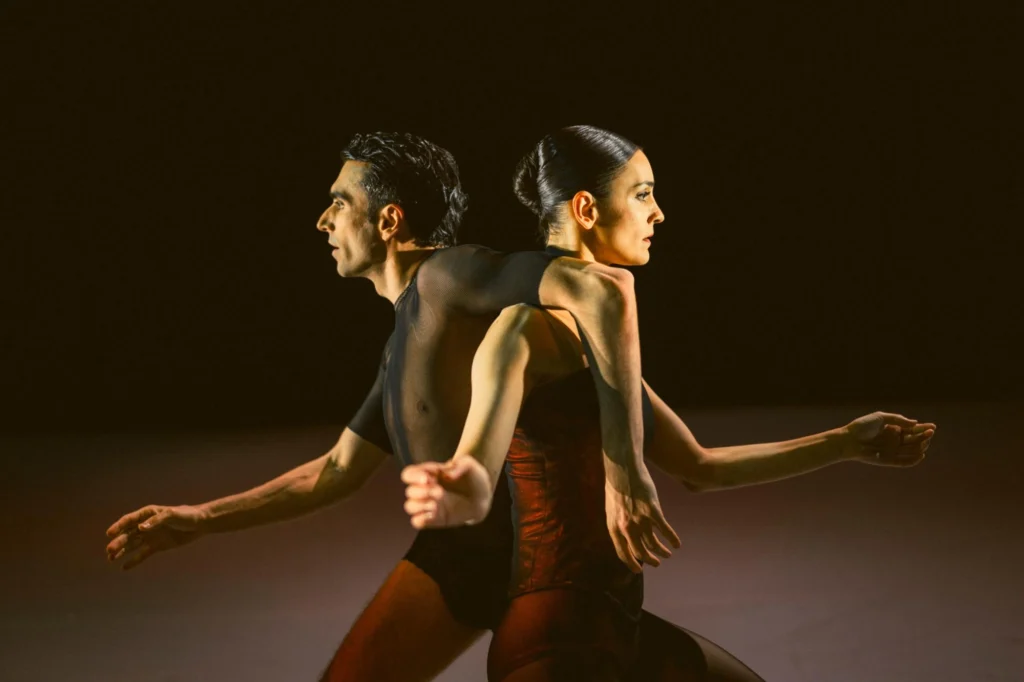
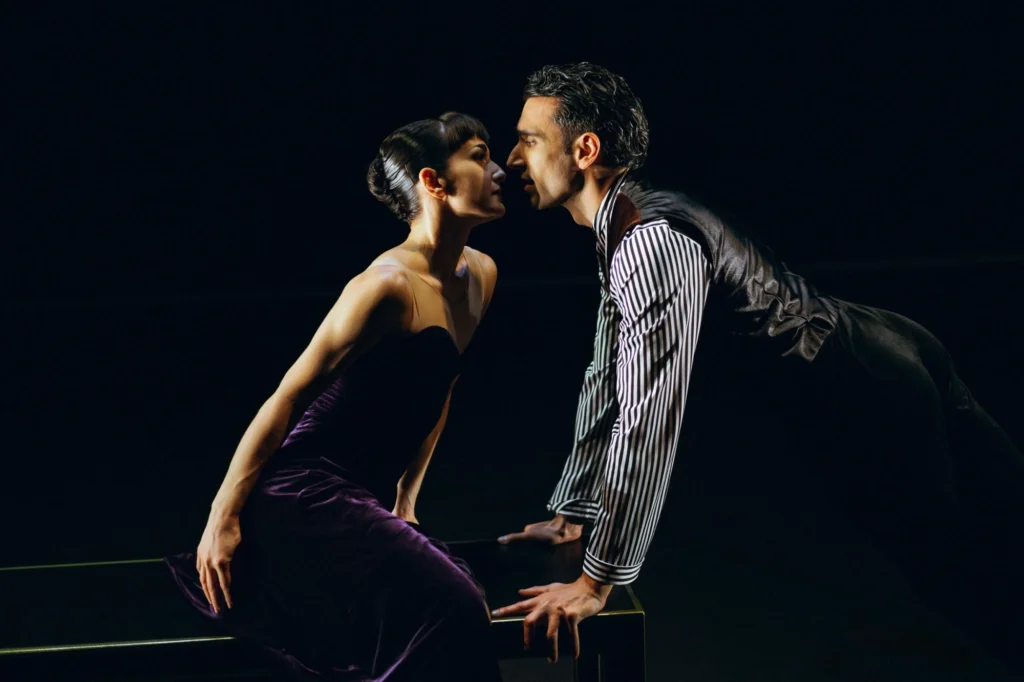
Van Manen/Kylián/Goecke
Theater Basel
June 17th
Three choreographic worlds share a single evening, each carving its own register of movement, memory, and emotion across a stage that shifts between intensity and stillness.
Jiří Kylián opens with Bella Figura, where suspended duets and baroque-inflected soundscapes blur perception, probing the fragile line between surface and essence. Hans van Manen follows with The Old Man and Me, a wry, intimate duet threaded with blues and Stravinsky, balancing humour, tenderness, and the weight of shared time.
The final work, Marco Goecke’s Le Spectre de la Rose, slips into a heightened dream-state where desire and recollection flicker through rapid, airborne movement against Weber’s score.
Across the programme, classical ballet is continuously refracted—oscillating between lyricism, irony, and abstraction while holding onto emotional clarity.
Fin de partie
Theater Basel
June 18th
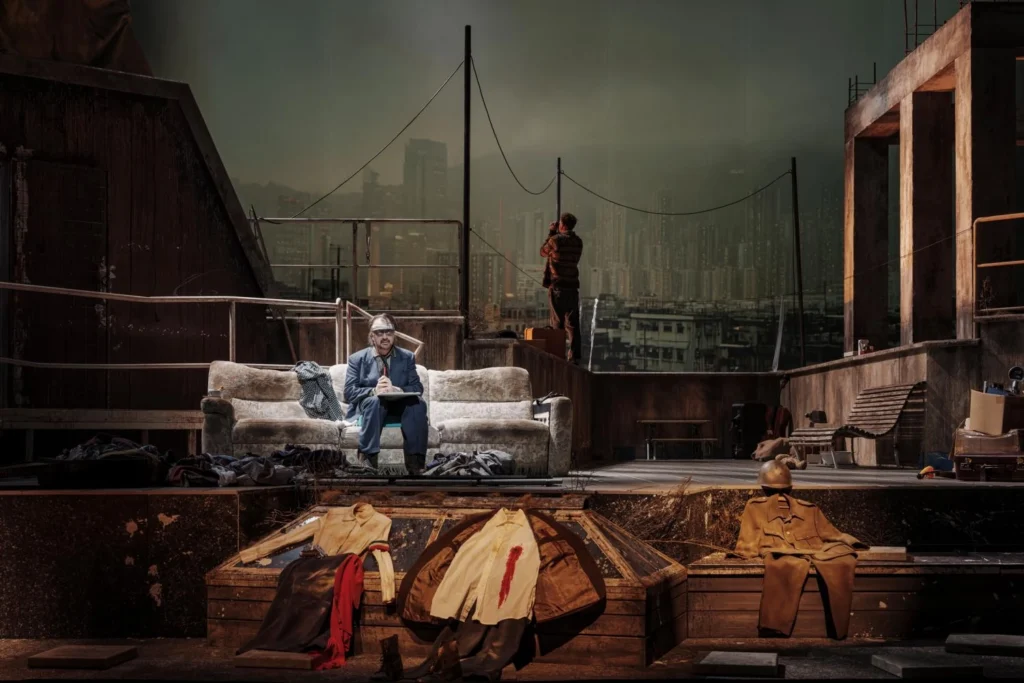
A stripped, post-apocalyptic stage world turns Beckett’s final theatre text into an opera shaped by silence, tension, and fractured intimacy, with four figures caught between routine and collapse. György Kurtág gives this enclosed universe a precise musical language, marking a late-career milestone rooted in his long engagement with Beckett.
Directed by David Marton, the action shifts to an exposed rooftop cityscape designed by Márton Ágh, where remnants of civilisation scatter across a bleak horizon. Hamm, Clov, Nell, and Nagg move through systems of dependence and control, where fatigue breeds humour and memory becomes both weight and refuge.
Nachtträume (Night Dreams)
Zurich Opera House
June 20th—July 4th, 2026
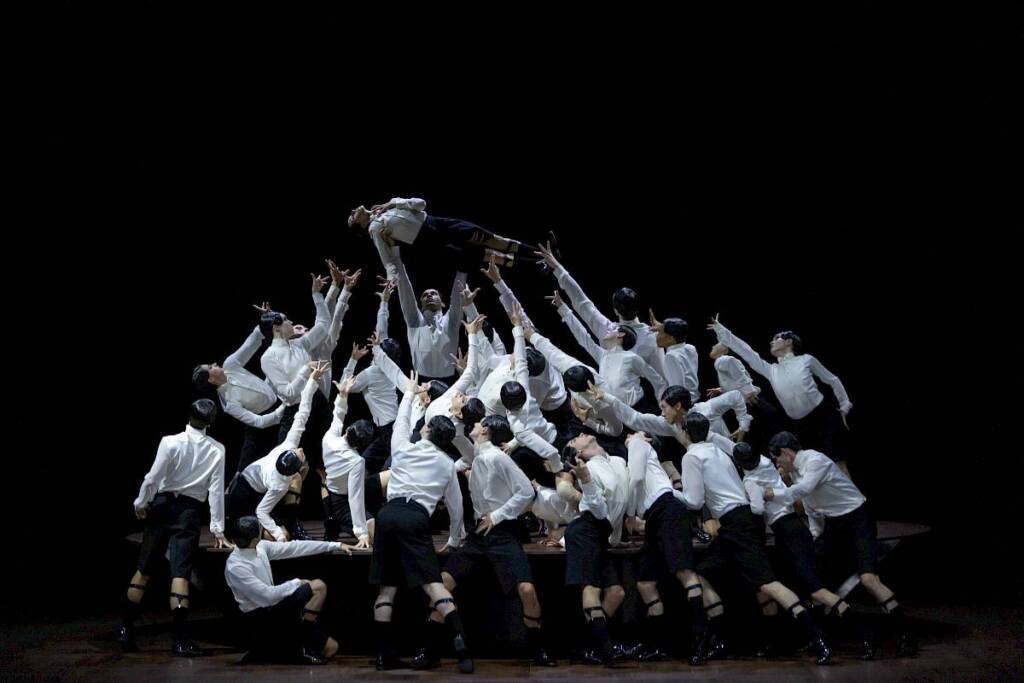
Marcos Morau’s Nachtträume returns to Zurich as a dark, hypnotic vision of power, control, and the thin line separating collapse from hope. Created by the celebrated Spanish choreographer and performed by Ballett Zürich alongside the Junior Ballett, the production immerses the stage in a surreal world shaped by cinematic imagery, fractured movement, text, and music.
Inside this eerie dystopian landscape, Morau examines vanity, ambition, social manipulation, and the unseen mechanisms directing contemporary life. Bodies merge into restless collective masses, while flashes of fragility and resistance emerge beneath the watch of an enigmatic queen leading the audience through illusion and unease.
Nachtträume
Photography by GREGORY BATARDON