Jacqueline Springer is the Curator of Africa & Diaspora: Performance and Lead Curator of The Music is Black: A British Story. Jacqueline has a background in print and broadcast music journalism and was an Adjunct Professor at Syracuse and Fordham Universities in London and a Visiting Lecturer at the University of Westminster. She co-founded the event curation duo Union Black, which focuses on the relationship between music, sartorial style, and cultural identities.
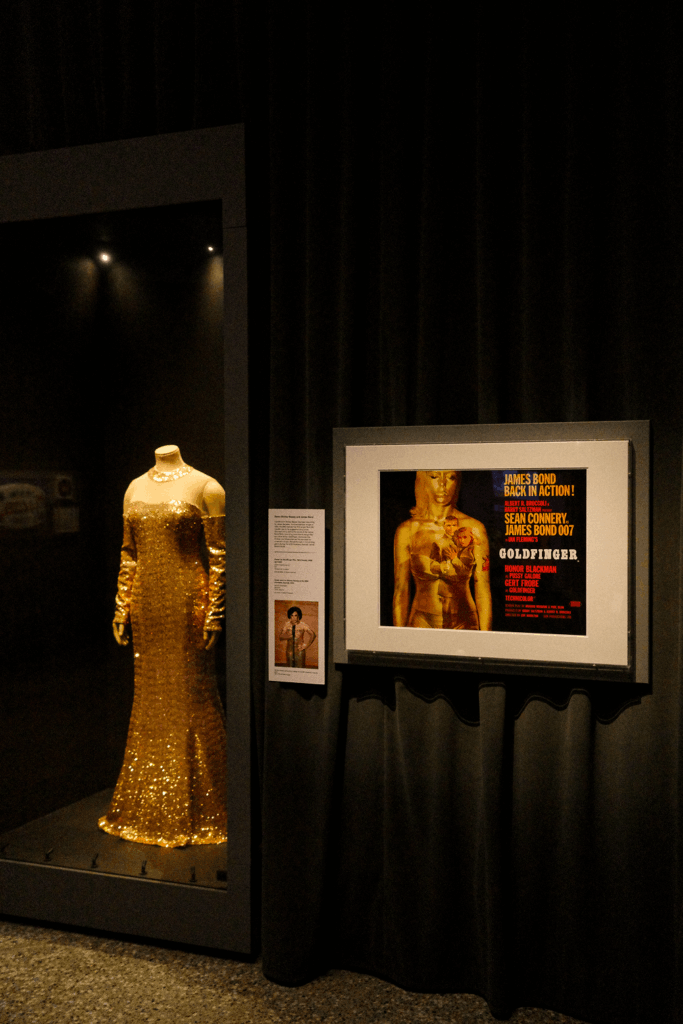
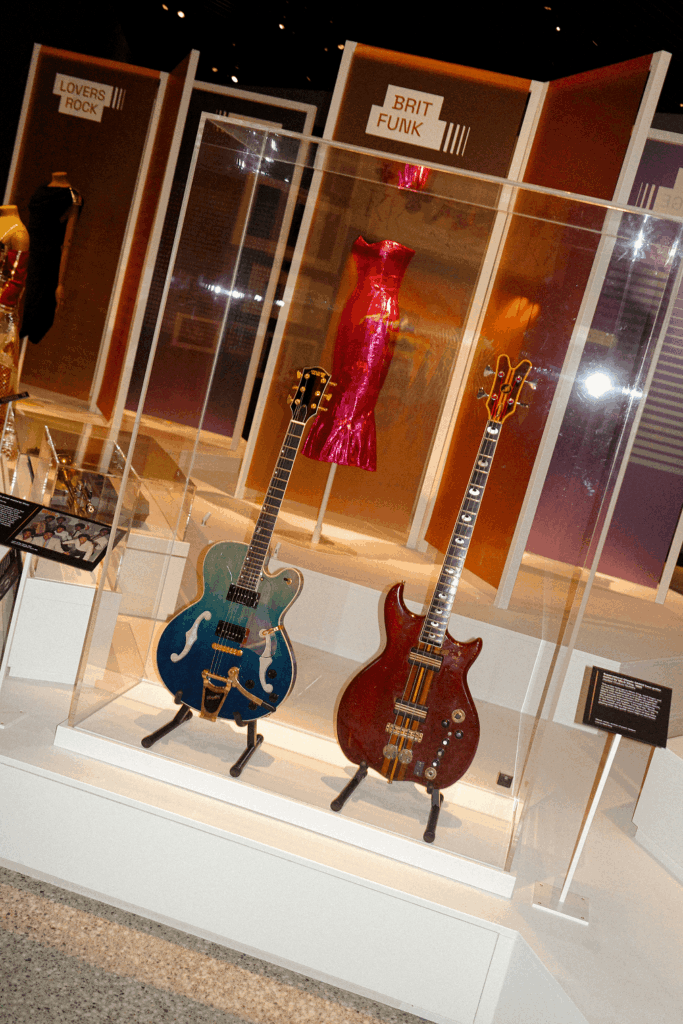
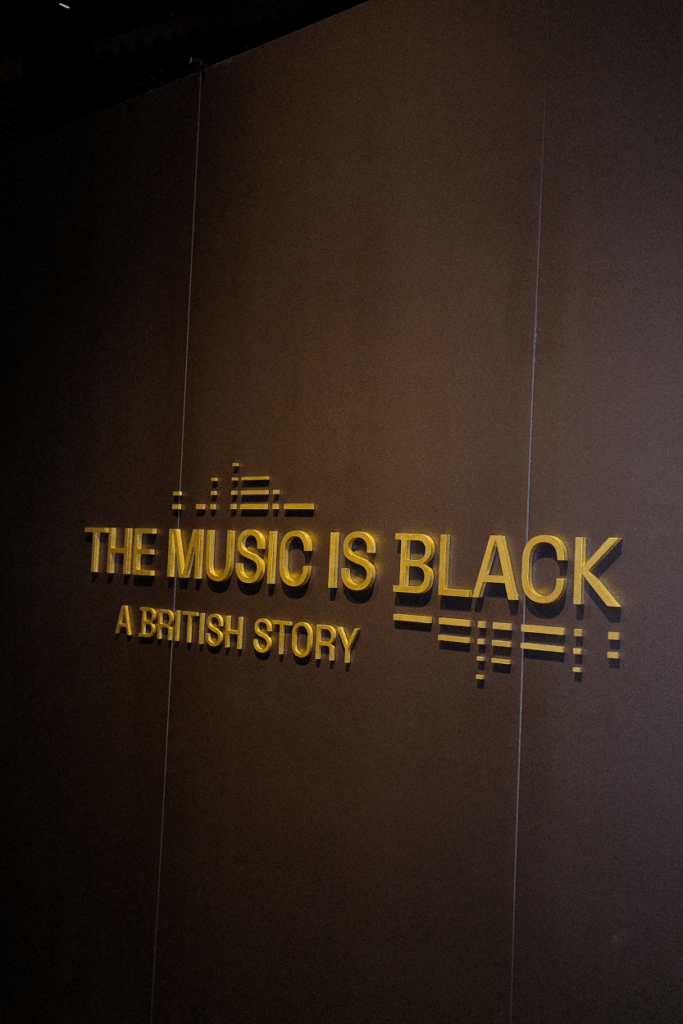
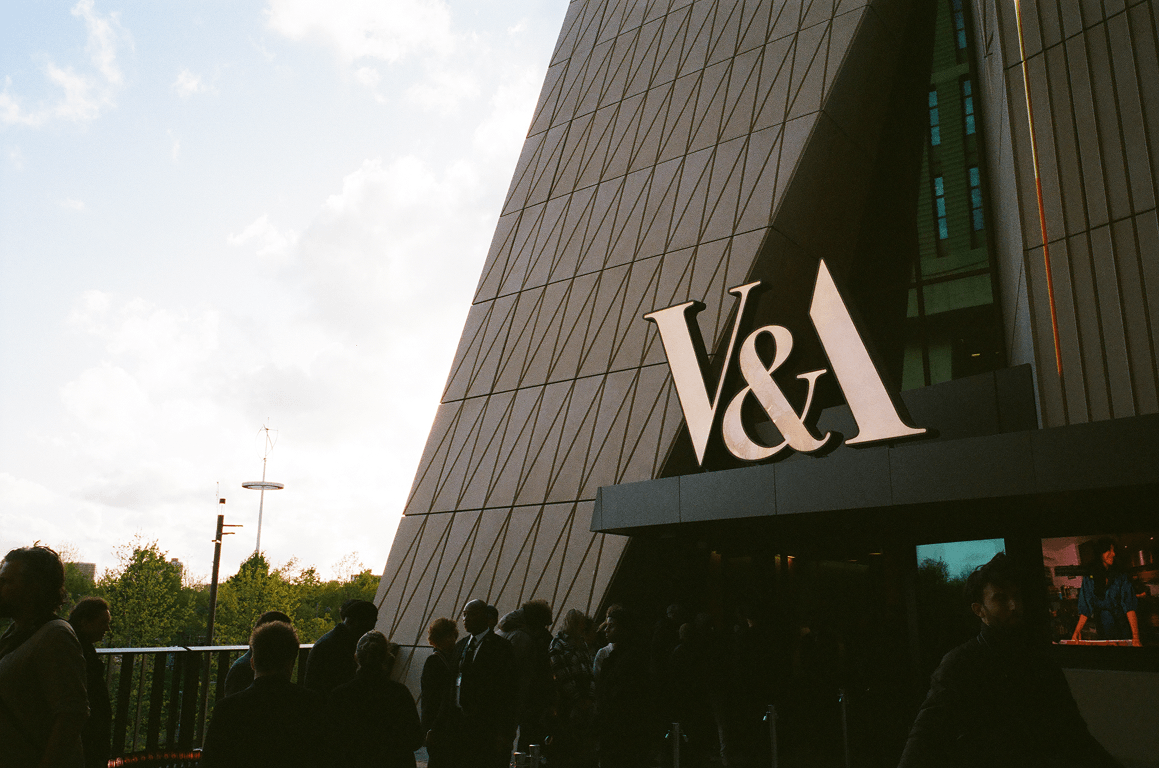
This April, the inaugural exhibition The Music is Black: A British Story opened at the new V&A East Museum. Curated by Springer, it delves into British domestic and international histories and the influence Black British identities, music, and cultures have relayed throughout the UK. The exhibition travels over 125 years in its narrative, from 1900 to 2025. Through art pieces, artifacts, fashion garments, and instruments, the exhibition identifies and explores eight core genres born in the UK from 1970 onward, created by British-born Black people and non-Black people inspired by African descendant musical forms and traditions. As the museum opens its doors, it offers a fresh opportunity to tell British history through a global lens, one that does not shy away from the harsher truths of Britain’s past and present. It encourages visitors of all identities to reflect on their role and responsibility, while celebrating the personhood, joy, and resistance of those who have risen through it.
Through legacy, acknowledgement, and a sharp editorial eye, Springer ushers in a new era with a fresh breath of hope, and a provocation to younger audiences to examine what they’re already engaged in. Hube spoke with Jacqueline Springer to discover more about uncovering musical and cultural connections, the challenges of presenting complex historical themes to the public, and the educational power of retrospective exhibitions.
hube: What kind of exhibitions do you think audiences are most drawn to, and why does The Music is Black: A British Story feel so timely?
Jacqueline Springer: Although we’re covering 125 years, we’re travelling into the contemporary time period. That excites people. They want to see how the recent memory is framed. You also want to know if they’re going to get your part right.
Music is a great social integrator and there is a real vindication in popular and contemporary music being recognised as an art form by an institution like the V&A. Added to that, [the music under focus] is homegrown and Black-centered and it rests against an expansive international story.
For those reasons, this exhibition feels highly anticipated. The exhibition bears a broad timeline that may also appeal to people… the narrative is not reduced to the last 20 years. There’s nothing wrong with the last 20 years [of musical output], but in adding another six decades unto that, you have content that somebody’s mother, father or even grandfather can also relate.
h: When working across such an expansive historical timeline, how do you approach the responsibility of representing that history with accuracy?
JS: I think anytime you’re dealing with history, you have an obligation to be correct.

Photography by LEWIS VORN