Photography by AXEL AUREJAC
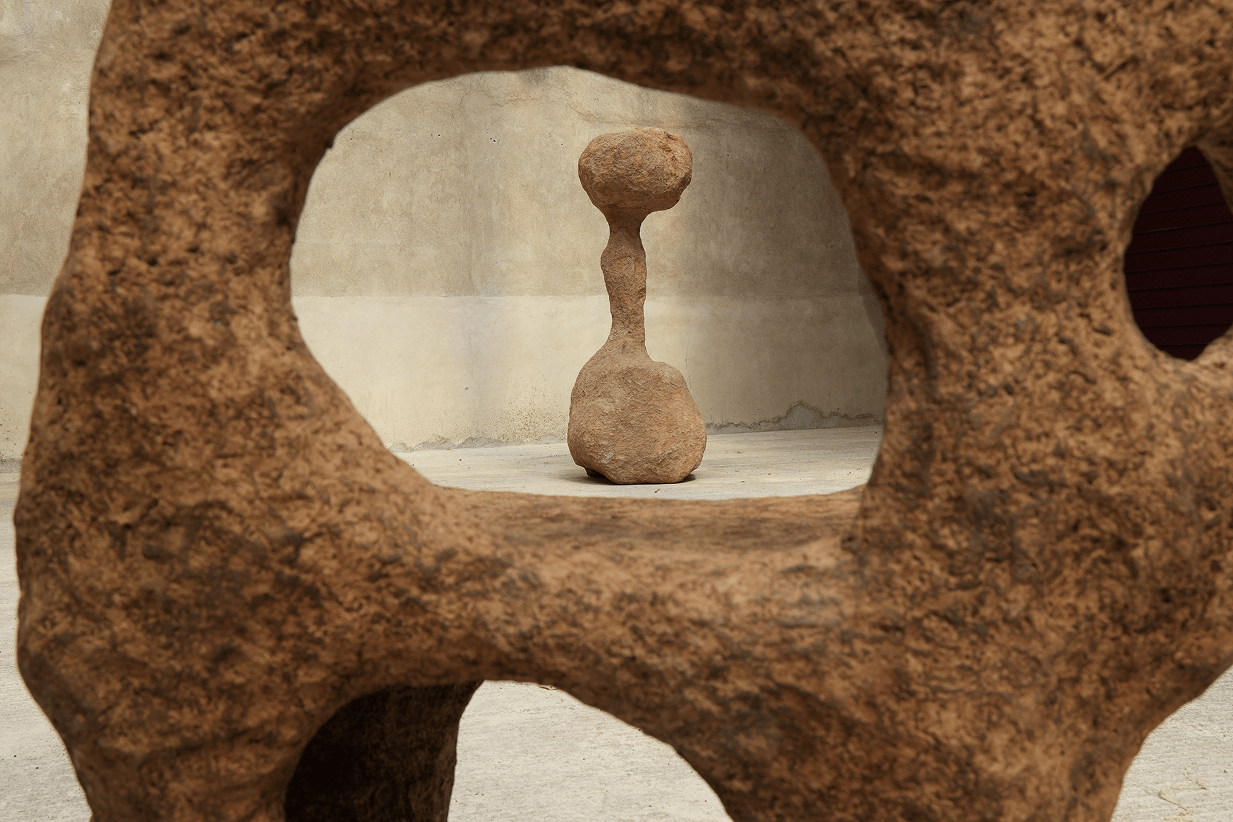
Peculiar Erosion
Courtesy of ALULA DESIGN RESIDENCY
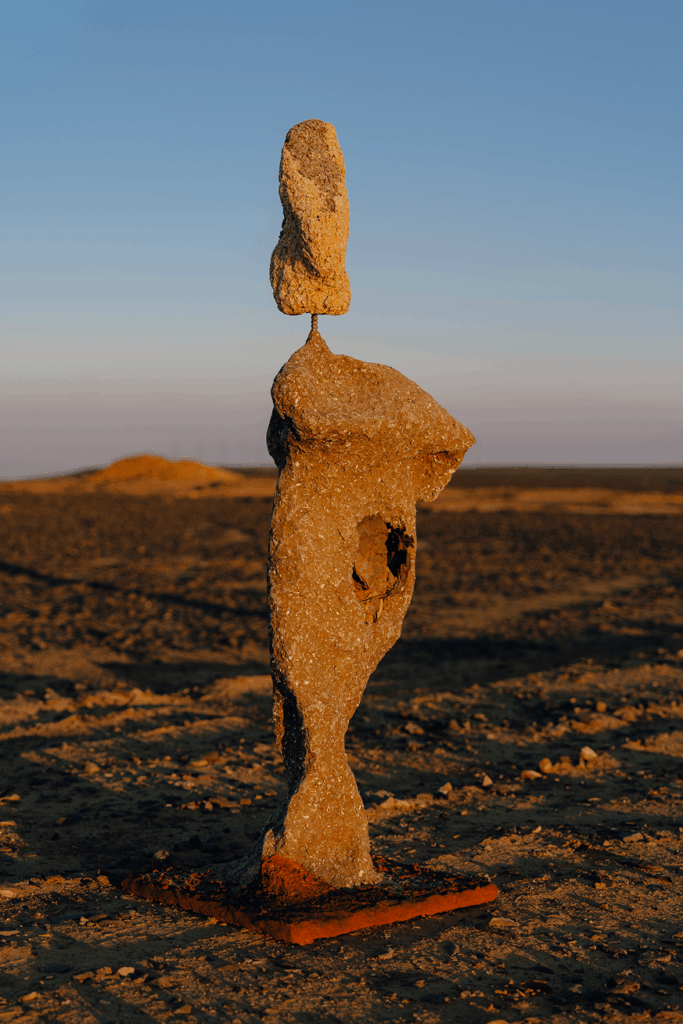
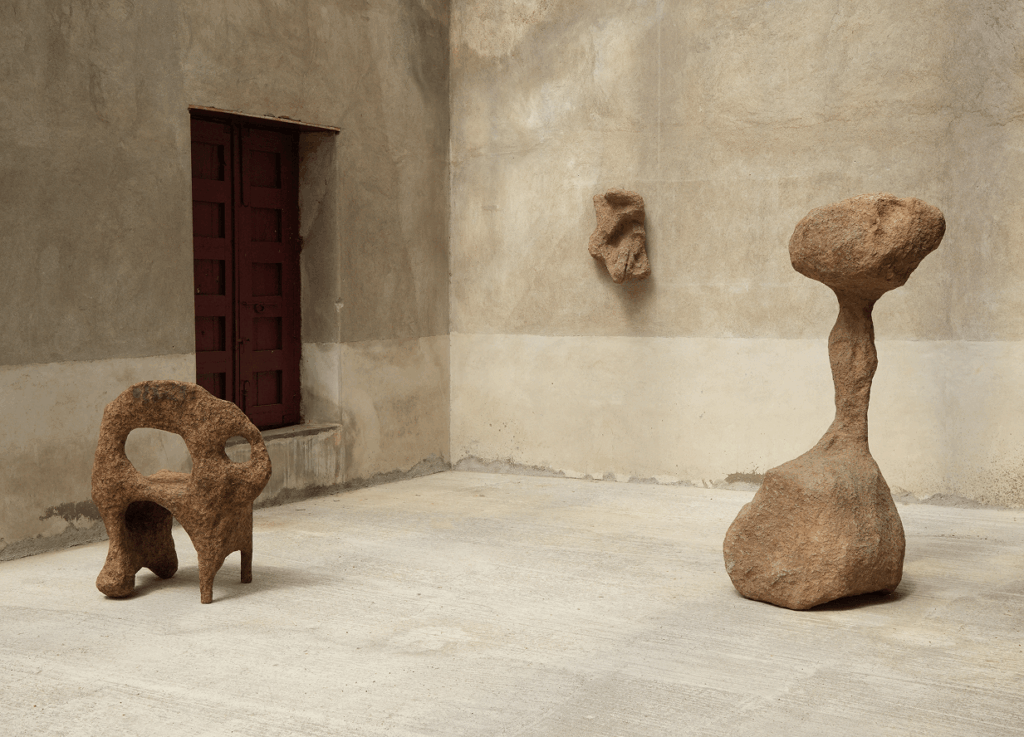
SICILY ART RESIDENCY, Etna Volcano
Photography by LORENZO ARRIGONI
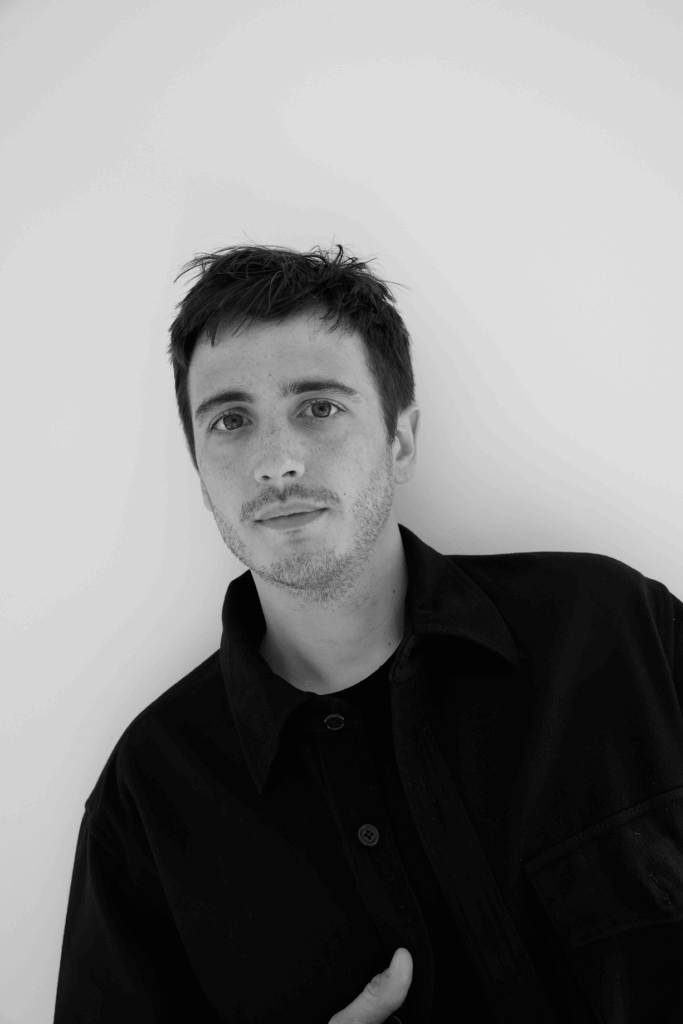
Leo Orta is an artist whose sculptural work explores the intersection of material ecology, cultural memory, and the living world. He has built a practice that traces the hidden life cycles of matter—industrial waste, vernacular fibers, geological memory—transforming them into hybrid entities that hover between creature and terrain.
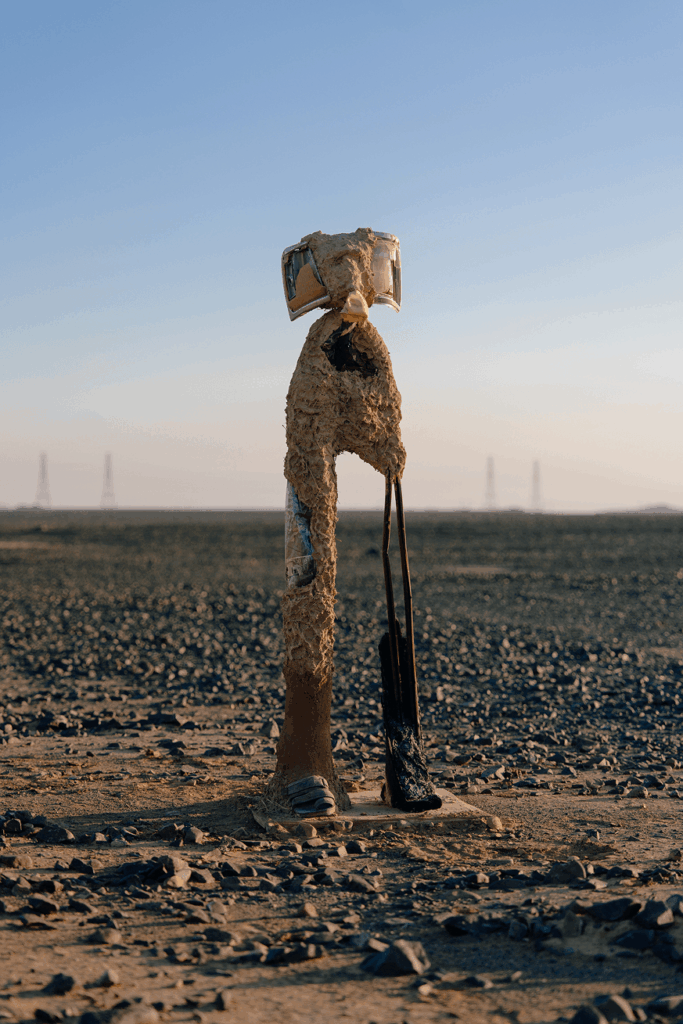
Orta’s sculptures often emerge from deep site-specific research and slow, embodied processes. From an old paper mill in the countryside outside Paris, he moves between scrapyards and flax fields, desert residencies and Camargue wetlands, allowing place and matter to dictate form. The resulting works are neither purely figurative nor abstract; these biomorphic sculptures seem to have emerged from the earth itself, carrying traces of their origins in their patina, weave, or eroded surface. His works remind the viewer of material ecology, offering a patient, attentive reweaving of our frayed relationship with the living world.
hube: What first sparked this fascination with the hidden life cycles of materials and consumer culture?
Leo Orta: It started when I was studying at the Design Academy Eindhoven. I found out about their system for trading metal junk—one could sell or buy by weight and preciousness of metals, and it wasn’t limited to raw metal but included home appliances and electronic goods. I was fascinated by their ability to decompose and sort every component of consumer goods and industries. It was a paradise of materials for me. The scrap yards were definitely what helped me compose and understand my first works related to objects and consumption. It’s from these places that works like Liondogs or Electric Chairs were born, letting me reintegrate those materials into a new cycle and bring more awareness to waste.
h: How did the shift to more organic, vernacular processes emerge in your practice?
LO: The shift came from my decision to settle my studio in an old paper mill in the countryside, 60 km outside Paris. As I was previously scouting supplies around Eindhoven, I needed to find new suppliers around the small town of Boissy-le-Châtel where I’m based now. Over time, I realised I was more attracted to local producers than to hardware stores. It turned out that just across the river there was a flax and linen farmer, and it was the start of my quest of how to build locally.
After some time thinking about how I could work with linen, I was invited to a residency in the desert of AlUla. I was overstimulated by the idea of getting out into a new environment. Today, I see my work getting inspired by new environments, whether in the desert, on a volcano, or in a lagoon; I seek those places for what they offer culturally, spiritually, or with what the earth has to offer. From there, I discover crafts or stories that help build new techniques or objects connected to territories.
Today, the discourse has changed. We are far more aware of the limited resources we have and how they circulate from one continent to another, and I lean on sourcing and producing close to where I work. This is my part of being conscious about our ecological crisis—wanting to go closer to a vernacular mentality where everything feels connected to the soil and the Earth.