Mike Fontaine Celebrity makeup transformations

Mike Fontaine: the alchemy of a makeup artist

Mike Fontaine
Celebrity makeup transformations
Mike Fontaine
Celebrity makeup transformations
Mike Fontaine
Celebrity makeup transformations

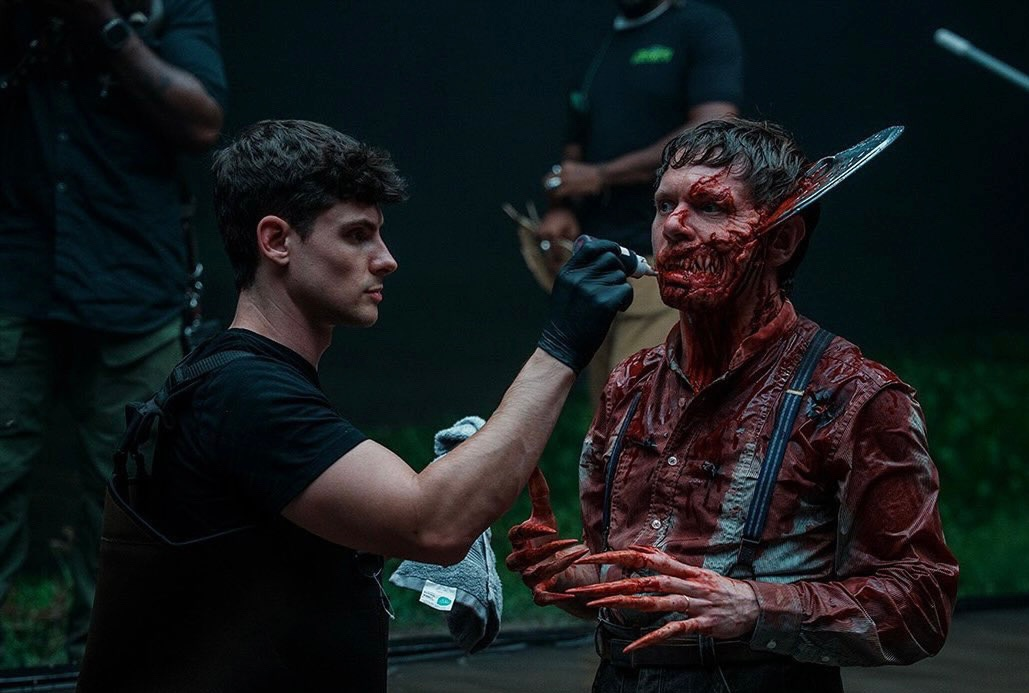
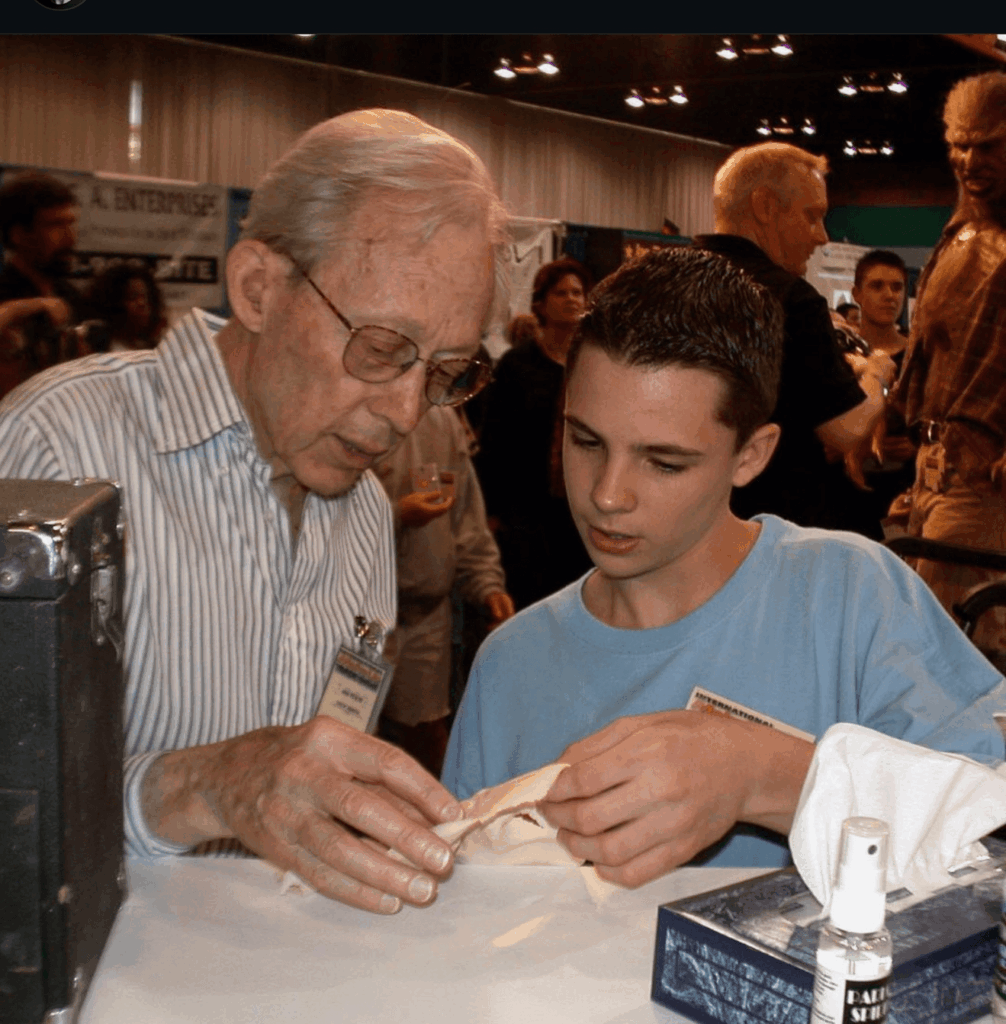
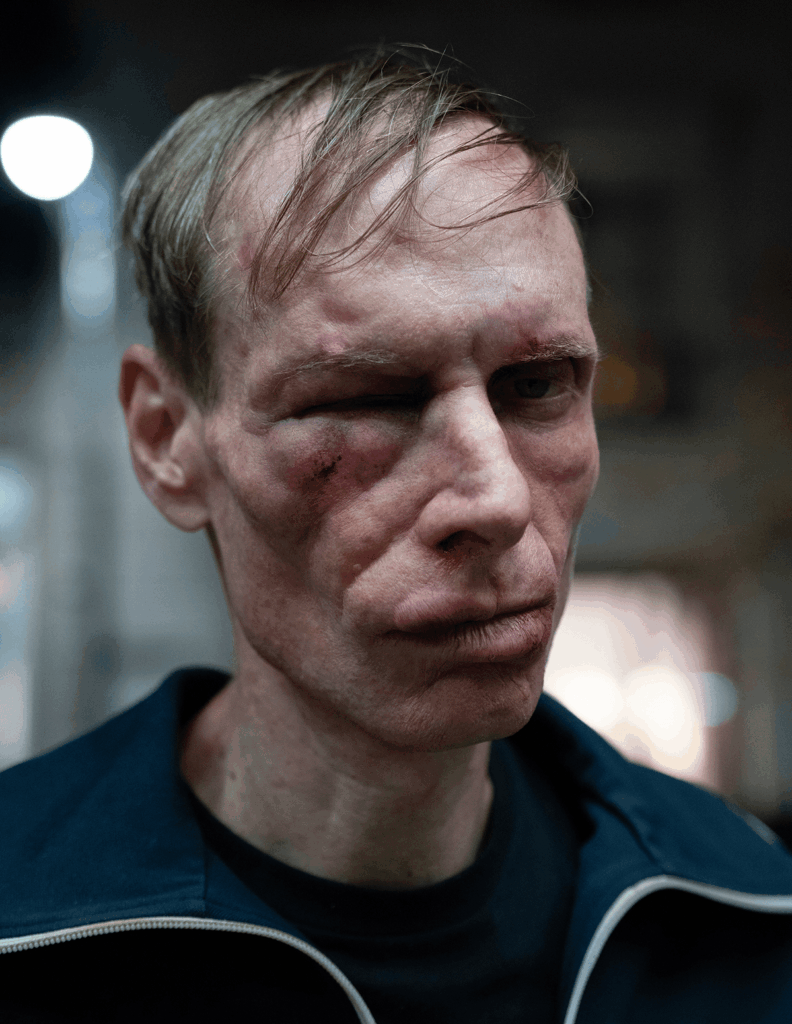
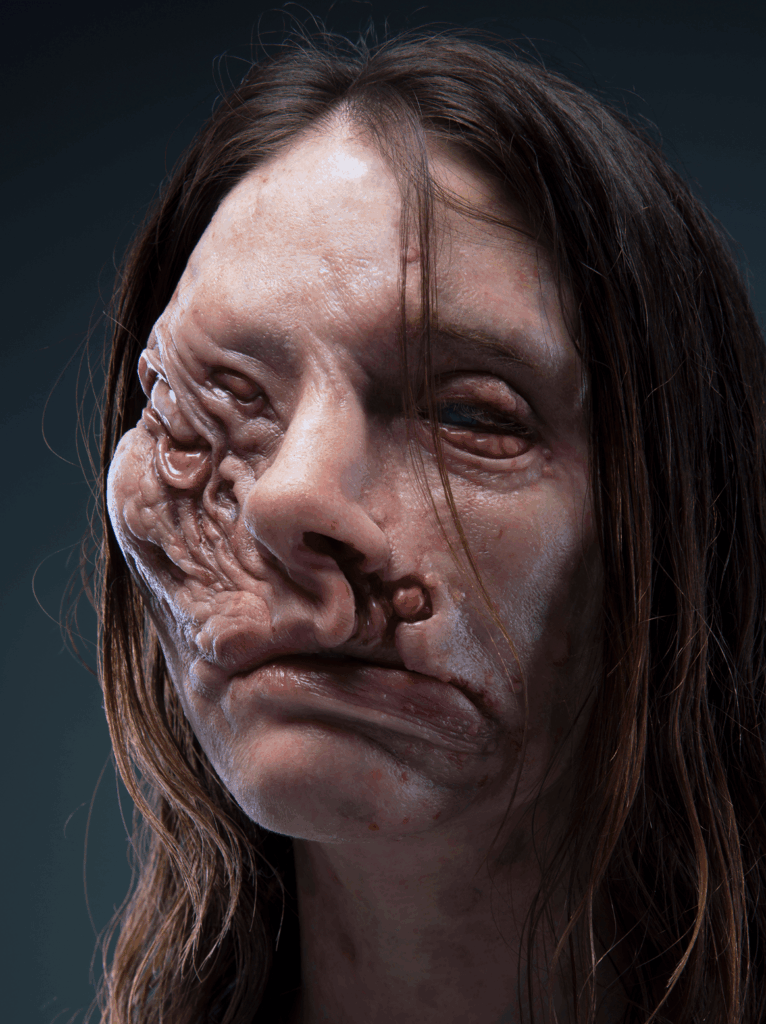
Mike Fontaine is an American special effects makeup artist who began studying the craft as a protégé of the celebrated makeup innovator Dick Smith during childhood, an apprenticeship that shaped his technical approach to character transformation. Fontaine’s career has developed across both cinema and prestige television. His credits include productions such as The Wolf of Wall Street, True Detective, and The Irishman, demonstrating a range that extends from subtle character work to elaborate prosthetic effects. Industry recognition has followed. He received Academy Award nominations for Best Makeup and Hairstyling for The Batman and later for Sinners. Most recently, Fontaine served as special effects makeup designer on the Oscar-nominated film Marty Supreme, directed by Josh Safdie and starring Timothée Chalamet. For the production, he collaborated closely with the actor, designing prosthetic elements and facial detailing to transform Chalamet into the film’s protagonist.

h: You recently worked on Marty Supreme with Timothée Chalamet, Gwyneth Paltrow, Odessa A’zion, and others. What were the key elements guiding your approach, and what did you hope to achieve or communicate through your work?

Mike Fontaine: Marty Supreme was all about tapping into the world of Josh Safdie. His films have this amazingly authentic and gritty quality to them, so we had to make Timothée Chalamet’s character fit that aesthetic. I worked closely with Kyra Panchenko, Kay Georgio, and Jimmy Goode over the course of several days, testing Timothée’s makeup on camera before we actually started shooting. In the end, he wore five prosthetic pieces. We wanted Marty to feel like a totally unique character, but believable in a way that never took you out of the movie.

h: Can we talk about your relationship with Dick Smith, and how being his protégé continues to shape your work today? How have you translated his lessons—from classics like The Godfather and Taxi Driver—into today’s world of prosthetics, CGI, and digital effects?

MF: Dick Smith’s work sparked an obsession with makeup artistry in me when I was six years old. It’s still with me today, and I think about him all the time and what he would say if he were still alive. His work had an immeasurable impact on the entire film industry. I deeply admired his fearlessness in rebelling against the status quo, his commitment to excellence, and his generosity.
h: What was the catalyst for you to enter this industry, and what drew you to prosthetics in particular?

MF: The very first time it hit me was when I was three years old and watched The Wizard of Oz, seeing the Wicked Witch’s green skin and being slightly terrified of it. I didn’t understand that it was fake. But a few years later, when my dad showed me Thriller by Michael Jackson, there was a “making-of” that showed Rick Baker taking Michael Jackson’s life cast and applying the makeup. It suddenly clicked that this was an art form and a job. I knew right then that this was what I wanted to do with my life.

h: Which project has been particularly dear to you, and why?

MF: Sinners is particularly dear to me for so many reasons. The scope of the work was so massive that I really had to pull out every trick I had learned in my career. I had such an amazing team, and it was a privilege to go to work with them every day. Ryan Coogler’s script set us up for success right from the start, and as a director, he’s so collaborative. It really felt like a family working on that film.

h: On Sinners, you led a team of 26 artists. How did managing such a team change your role, and how did the experience push you to grow as an artist?

MF: I knew managing the team was a big responsibility, and I didn’t want to let anyone down. They were all looking to me for answers and direction. But I also didn’t want to give up doing the artwork. I get so much joy out of sculpting and doing makeup on the actors. Because of that, the work was really intense for me, but it was worth it. Every single person on the team was such a heavy hitter. Kevin Wasner was my Key on set, and he amazed me with the way he could solve any problem and invent things right on the spot. One of my heroes, Carlos Huante, came on to do concept art. And two younger artists that I helped get their start, Greg Pikulski and Brett Schmidt, oversaw the lab work. It was the best.

h: Prosthetics and makeup involve a special kind of intimacy—both physical proximity and the vulnerability of being closely observed. Has working within that intimacy always felt natural, or is it something you’ve developed over time?

MF: It always felt natural to me. I’m a very social person, and connecting with other people is a big part of why I love to do this. I think it’s why I didn’t become a painter or prefer to work in solitude. Film is such a collaborative medium.

h: Collaboration is central to your work. How do you approach working with directors, actors, and other departments to realize a shared vision?

MF: It might sound like a basic answer, but I think it really helps to see their movies. I was a big fan of Josh Safdie’s and Ryan Coogler’s films long before I knew them or worked with them. And they had seen films that I worked on. So when we met for the first time, in a strange way it was like we already knew each other. It’s the same thing with other department heads and actors. When you actually sit down to start figuring out how to tackle the project, you have a sense of where they’re coming from artistically, and you can speak their language.

Mike Fontaine
Celebrity makeup transformations
Mike Fontaine
Celebrity makeup transformations
Mike Fontaine
Celebrity makeup transformations
Mike Fontaine
Celebrity makeup transformations
Mike Fontaine
Celebrity makeup transformations

h: You’ve collaborated with Heidi Klum on some of her most iconic Halloween transformations—even turning her boyfriend into Marlon Brando’s Vito Corleone, which feels like a full-circle moment considering your work with Dick Smith. Can you walk us through what it takes to bring full-body functional prosthetics to life, like the recent Jessica Rabbit costume?

MF: Working with Heidi Klum on her Halloween transformations is always an adventure. Every year she pushes the limits of what can be done with makeup and prosthetics. Projects like the Jessica Rabbit costume require months of planning, sculpting, mould-making, and testing before the night itself. Full-body prosthetics have to be designed so that the performer can move, breathe, and function comfortably while still maintaining the illusion. It becomes a combination of sculpture, engineering, and performance. The goal is always to create something that feels magical and completely transforms the person wearing it.

h: How has the rise of digital effects changed the way you plan and execute practical prosthetics?

MF: Like any technological art form, it can be good or bad. Sometimes it just comes down to who is doing it. A great visual effects supervisor like Michael Ralla on Sinners really understands the practical side of things, so he enhances what we do. Michael and I started talking very early in preproduction to figure out how to divide up the work. We were unified in the goal of creating as much practically as possible. Cristina Patterson is an amazing artist who invented a brand-new contact lens that could actually reflect light. We were able to get that glowing-eye effect in camera for real. But in some cases, the actors couldn’t wear the lenses if they were dancing or doing stunts at night. Michael and his team really respected Cristina’s work and replicated it in shots where it wasn’t safe for the actors to wear the lenses. That, to me, is a perfect collaboration where both practical and digital effects come together in service of the film.

h: Looking ahead, what is one wish you hold for the future of the industry?

MF: My hope is that there are more people in the future of our industry like Dick Smith. One person can make a big difference.

Mike Fontaine
Celebrity makeup transformations

Courtesy of MIKE FONTAINE PRODUCTIONS

Words: ISABELLA MICELI

ISSUE 8

issue no8

Discover the new issue — available now