Sky Gellatly is a cultural strategist and co-founder of the creative agency and talent representation firm ICNCLST, celebrated for its ability to fuse contemporary art with the language of global brands through exhibitions, collaborations and strategic consultancy worldwide. As chief executive of the New York-based firm, he has led defining partnerships that position artists and art institutions such as Futura, MoMA, Nina Chanel Abney, and Lauren Halsey within the orbit of brands including Nike, Marc Jacobs, Comme des Garçons, and Google, expanding the reach of creative expression into the commercial sphere. Before establishing ICNCLST, Gellatly served at Complex Magazine, MTV, and Details where he honed his instinct for creating relevant, resonant content and understanding how to communicate it within the public realm. In 2023, ICNCLST launched Control Gallery in Los Angeles—an exhibition platform created in partnership with Beyond The Streets dedicated to supporting artists and creatives under the guiding belief, ‘Control to the Artist. Never over the artist’. In 2024, Gellatly also became an Adjuct Professor for Columbia University, teaching within their Graduate School of Architecture (GSAPP).
Today, Gellatly sits down with hube’s Editor-in-Chief, Sasha Kovaleva, to discuss his experience navigating the ever-changing media landscape and his deliberate interplay between creativity, business, and cultural strategy—offering a compelling model for how independent artists and companies can inform and elevate one another.
Sasha Kovaleva: Could you walk us through your professional journey—what led you to co-found ICNCLST, and who or what shaped your creative vision along the way?
Sky Gellatly: I started my career at Complex Magazine. Back then, Complex wasn’t the large-scale media and shopping conglomerate it is today. It was a print magazine focused on music, fashion, and culture. That meant many different things, but primarily it revolved around various permutations of hip-hop culture, largely in New York, Chicago, and Los Angeles, with occasional touchpoints in London, Japan, and elsewhere. This was 2003, very early in what I’d consider the rise of popular media editorialising creative subculture — Complex was really one of the first in the United States to do that at scale.
I began in editorial at Complex, where I learned how to write professionally and how to interview people of note, skills that became foundational as my career progressed.
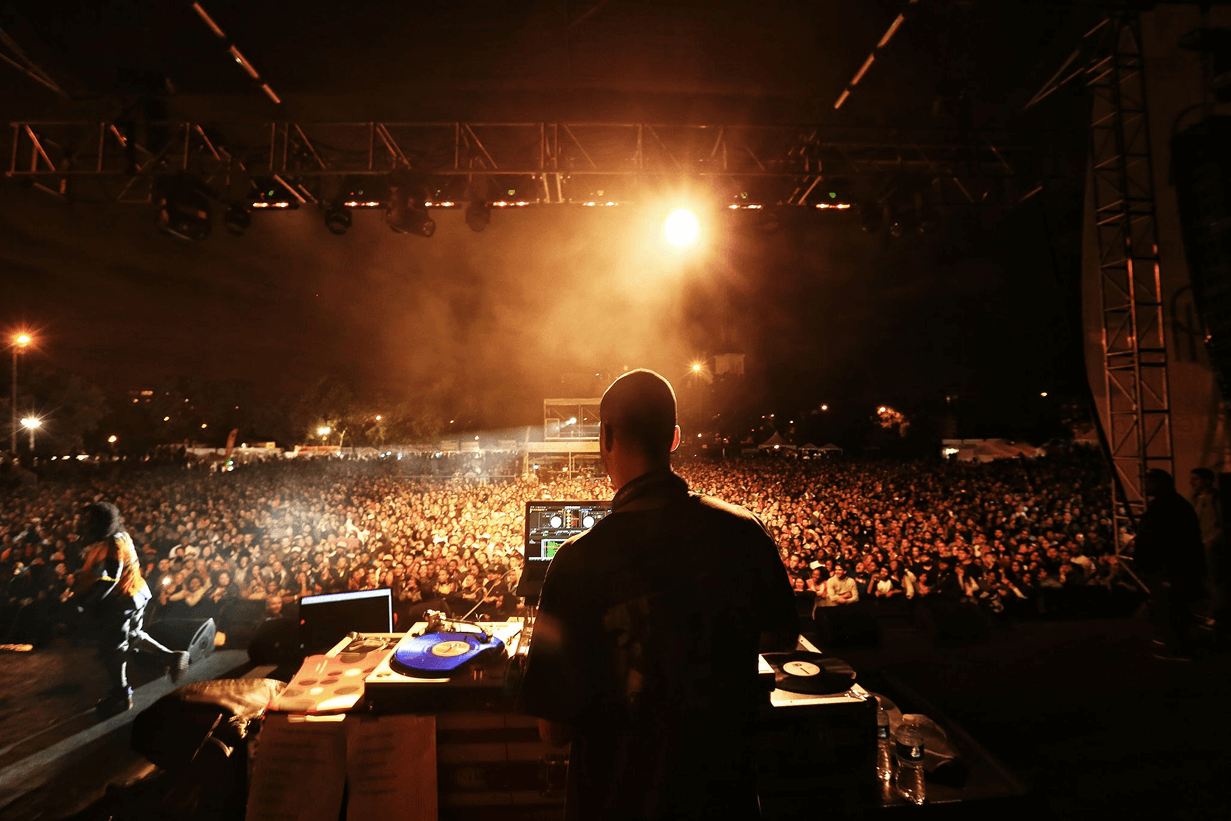
Some of my earliest experience with online editorial also came during that period. In 2003, magazines didn’t really have websites—major news publications did, but Complex was one of the first independent publishers to seriously move into the online space. From Complex, I went on to MTV Networks. Twenty years ago, MTV was still the leading youth culture television network and, at the time, was becoming a major global online platform for youth culture as well. In addition to continuing to write, I learned how to produce video. MTV was a massive network then, with both news programming around music and culture and regular music video rotation. Working alongside veteran journalists who had built their careers in video rather than print, I learned how to produce news segments.
MTV was truly the epicentre of youth culture in North America at that time. Almost every day, a major band or artist would pass through—often one or two every few days—along with actors and entertainers from Hollywood. I gained extensive experience interviewing and engaging with public figures, which proved invaluable later on. Interviewing the likes of Mariah Carey and Pharrell Williams at the age of 25 built confidence and context. Fairly early in my journey, I stopped feeling nervous around people of note. After interviewing so many of them, you realise they’re just people—and that you can speak to them as such, and be human.
While at MTV, Viacom was investing heavily in online editorial, so alongside my editorial work I also did copywriting, much like I had at Complex, but now for mtv.com. From there, I fast-tracked into a more entrepreneurial phase. I left MTV and began freelancing for publications like GQ, Hypebeast, and others, while also starting to represent talent independently.
The first artist I represented was DJ Neil Armstrong, who went on to tour with Jay-Z for many years. Through that experience, I learned a great deal about talent management and about being close to a machine like Jay-Z’s touring operation. I then began representing the photographer 13th Witness, who is Futura’s son. I was able to apply my background in video and film production from MTV to help him scale his work. At the same time, while Neil was touring with Jay-Z, Tim was touring with John Mayer as a photographer. It was an intense and fascinating period, freelance writing while managing my first two clients, both on global tours. It was very much full-time.
Around then, two significant things happened. A friend of mine started a marketing agency called Team Epiphany, which I later became a partner in. Separately, my best friend from high school, Kenji, and his best friend from college, Damany, launched a business called Flight Club. During this transitional phase, I was managing talent independently, beginning to work with my friend’s agency, and learning how to write decks and presentations. Through Flight Club, I moved more formally into marketing communications, no longer as a journalist, but as someone representing brands and retail partners, working with artists and product collaborations.
From roughly 2010 to 2015, my focus was largely on Team Epiphany, where I became one of three partners. I continued managing Neil and Tim, and around 2012 I took on Futura as a client—my first visual artist. On the agency side, I spent five years running social media for Nike. That role brought together everything I’d learned up to that point — copywriting, video production, editorial strategy—into a consulting position helping Nike shape its social media voice. As an agency partner, I helped launch Nike’s Instagram and Twitter accounts and, at one point, with my team, managed 11 different sport communities for Nike. It was intense. I often say I earned my MBA while consulting for Nike; I owe my friends at Nike for so much of who I am today.
Nike remains my most significant and longest-standing brand client. At the same time, I was managing Futura, 13th Witness, and Neil. Around 2015, I had a realisation. Having spent years immersed in media, branding, and communications, I watched influencer marketing rise, particularly between 2012 and 2015, as it became the dominant model in brand marketing. My intuition told me that as influencer marketing became ubiquitous, it might actually be more compelling to work with artists instead of influencers—people with singular perspectives, creating work, concepts, and movements that only they could make.
Given my background, I saw an opportunity to build meaningful bridges between brands and artists, something very few people were doing at the time. Having grown up in a creative, entrepreneurial household, surrounded by art, sport, and culture, this felt intrinsic to who I was, not just what I did. At 35, I decided it was time to take a leap and build something aligned with my passions, not just sheer commercial logic and immediate scale.
That decision led to ICNCLST, a synthesis of my experience in brand building, editorial storytelling, and talent management. I wanted to create an agency rooted in what I genuinely loved. The path hasn’t been linear, but today half of our work focuses on helping brands develop communication strategies that often evolve into artist collaborations, content creation, or live experiences—all expressions of brand storytelling and world building. The other half centres on talent representation, helping independent creatives author their careers and collaborate with brands in a world where social media enables direct connection with audiences like never before.
Ultimately, my vision has been shaped equally by my upbringing and experience, growing up in an artistically minded household, having entrepreneurial parents, and living in New York, a city where you’re free to choose your own adventure. All of that brought me to where I am today.
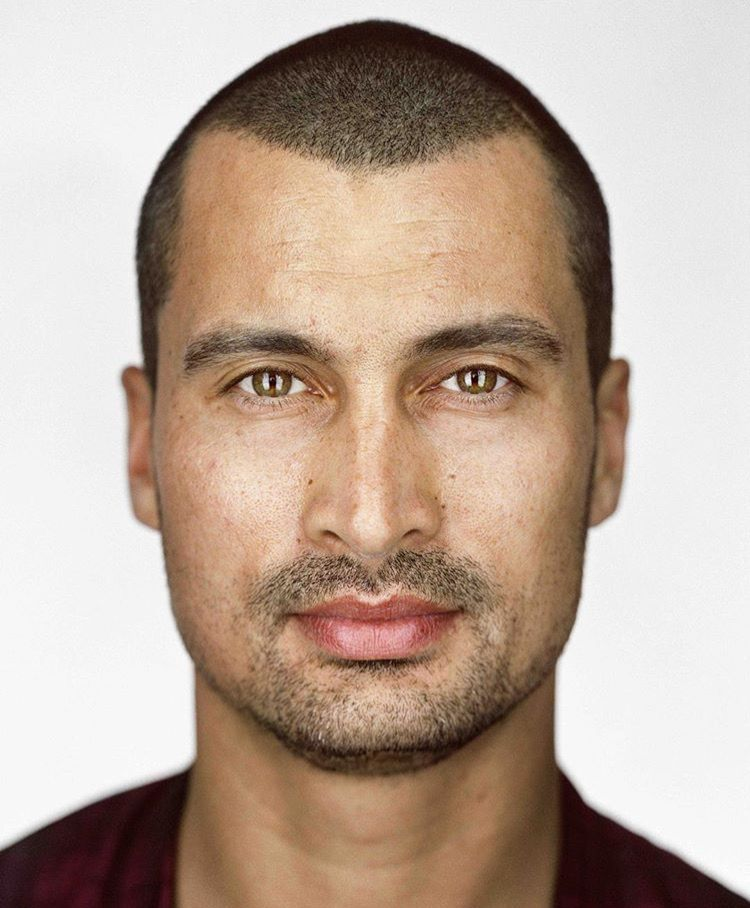
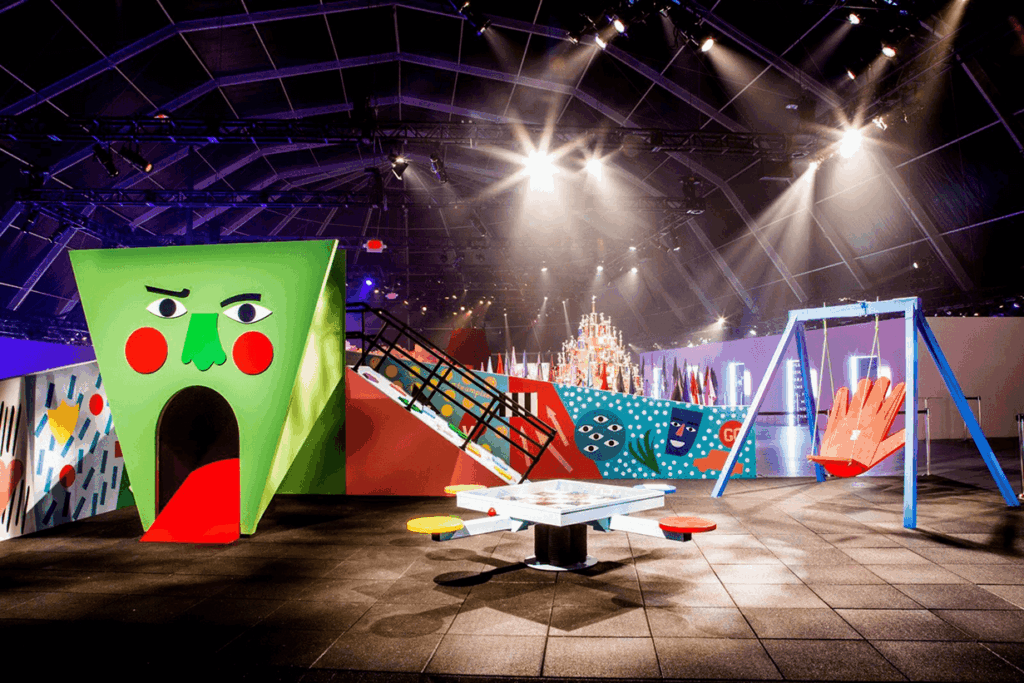
Courtesy of SKY GELLATLY
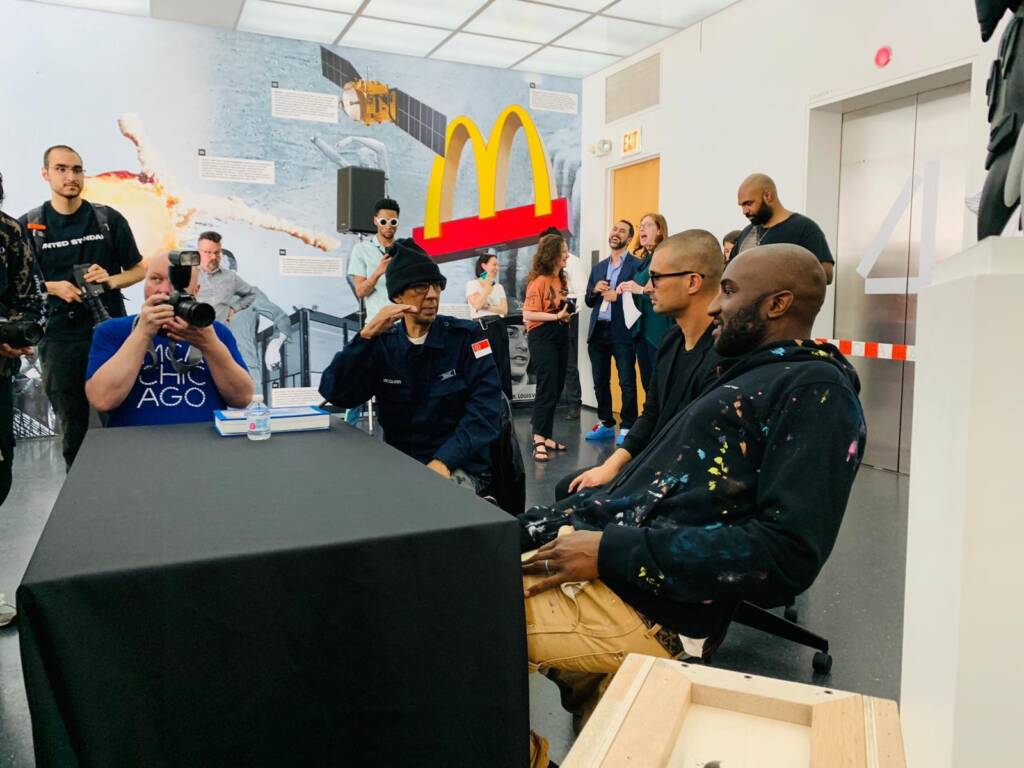
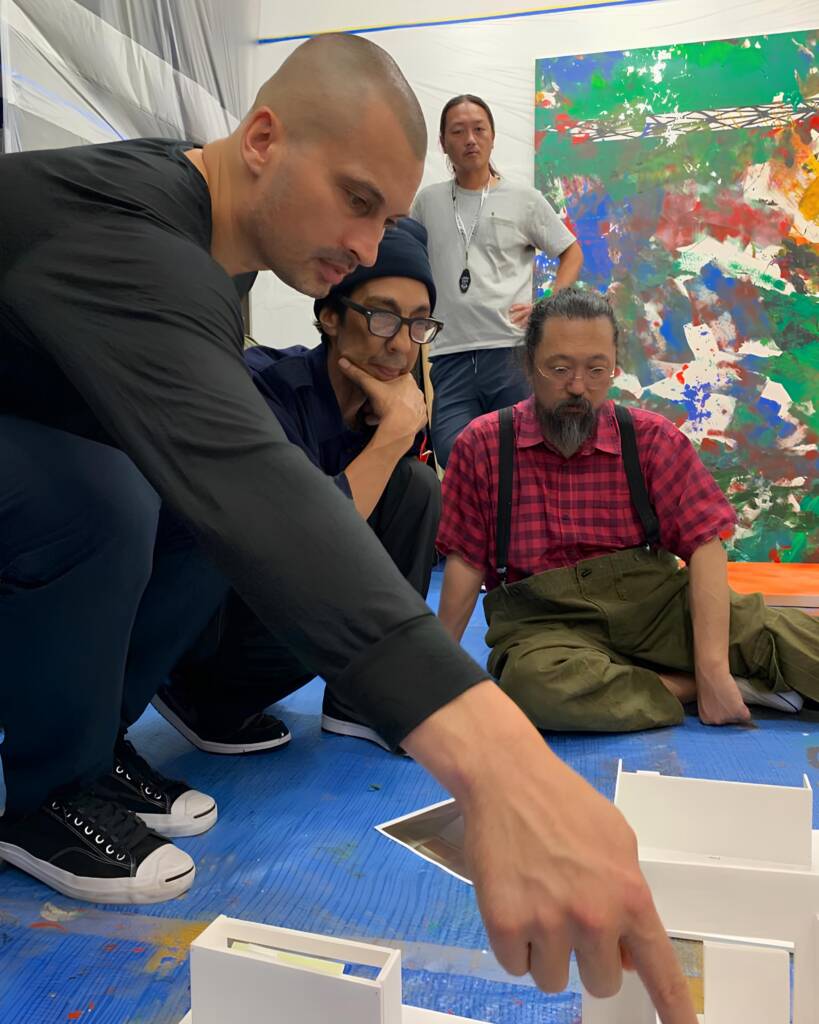
Courtesy of SKY GELLATLY
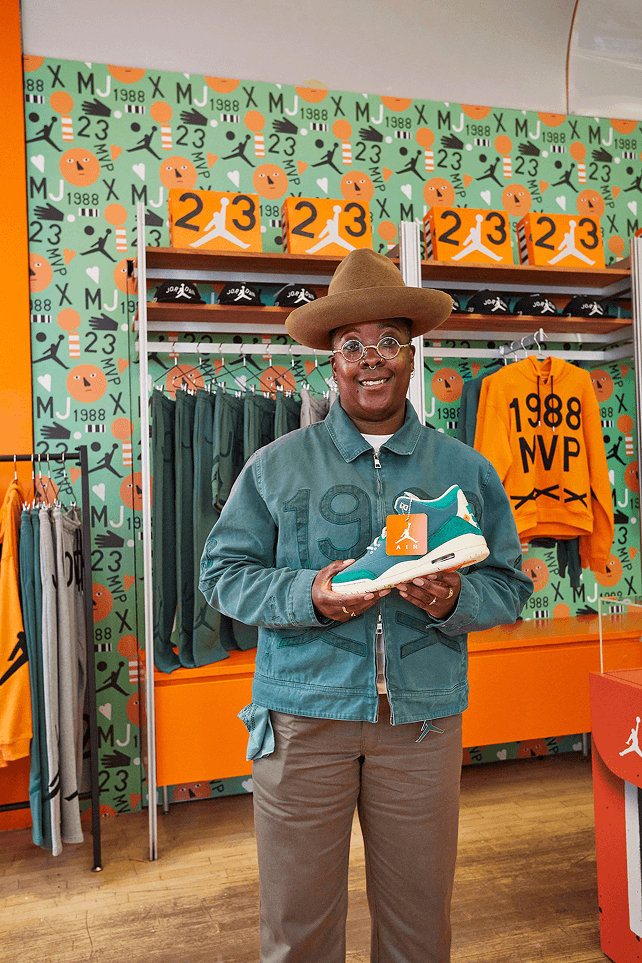
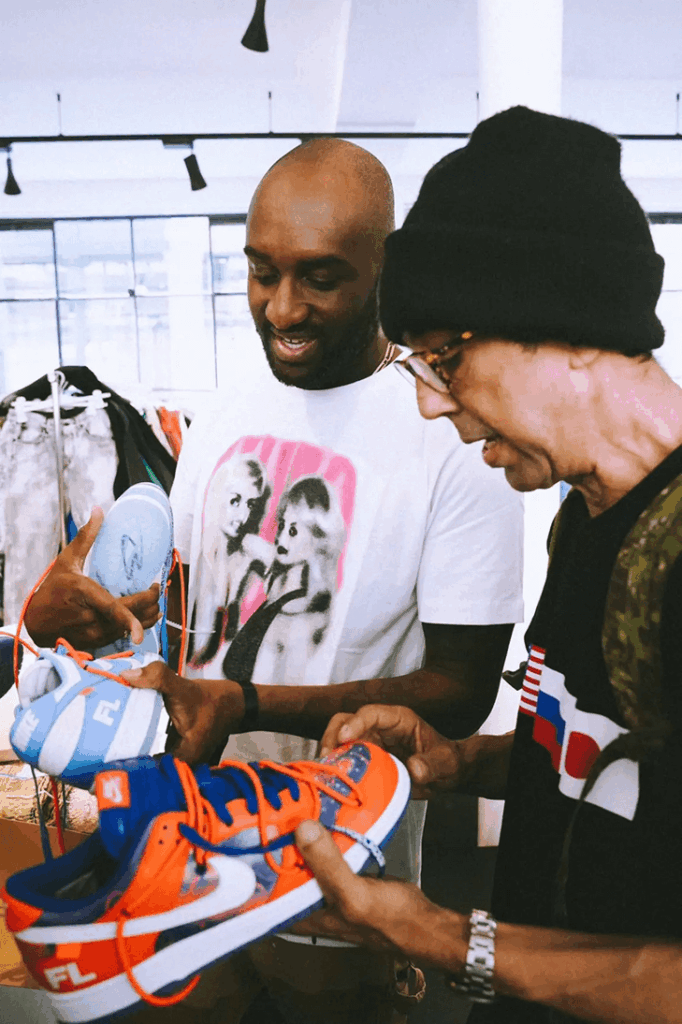
Courtesy of OFF-WHITE and NIKE