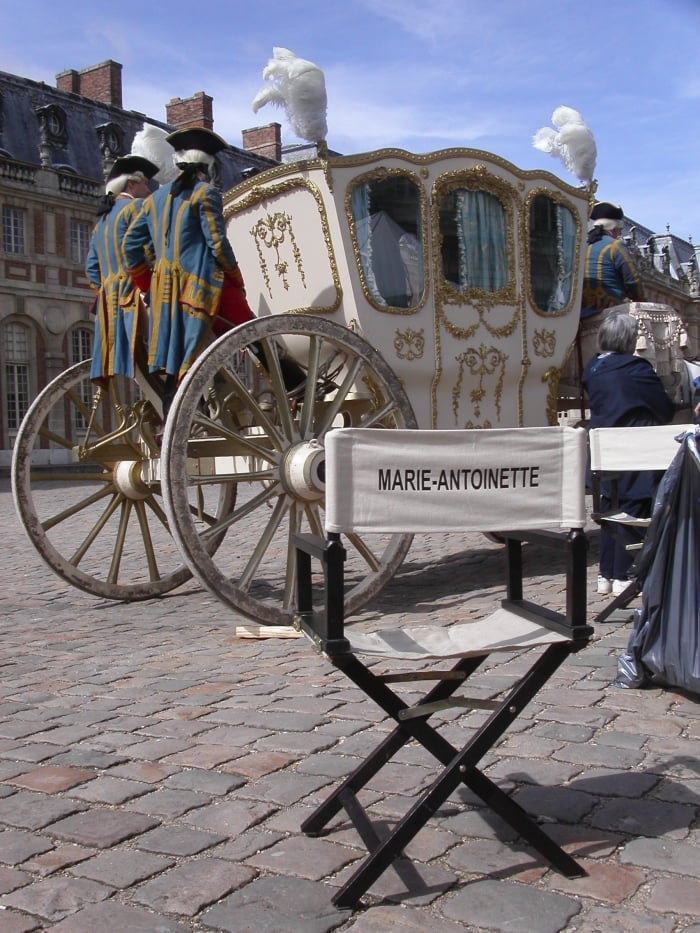
Twenty years after Sofia Coppola’s Marie Antoinette brought the final Queen of France into a world of pastel colours, elaborate costumes and pop-inflected glamour, the film returns to Versailles in a new form. Opening tomorrow, September 22nd, 2026, the Marie Antoinette exhibition at the Petit Trianon runs through January 24th, 2027, offering a behind-the-scenes look at Coppola’s cult film and the visual language that continues to shape its legacy.
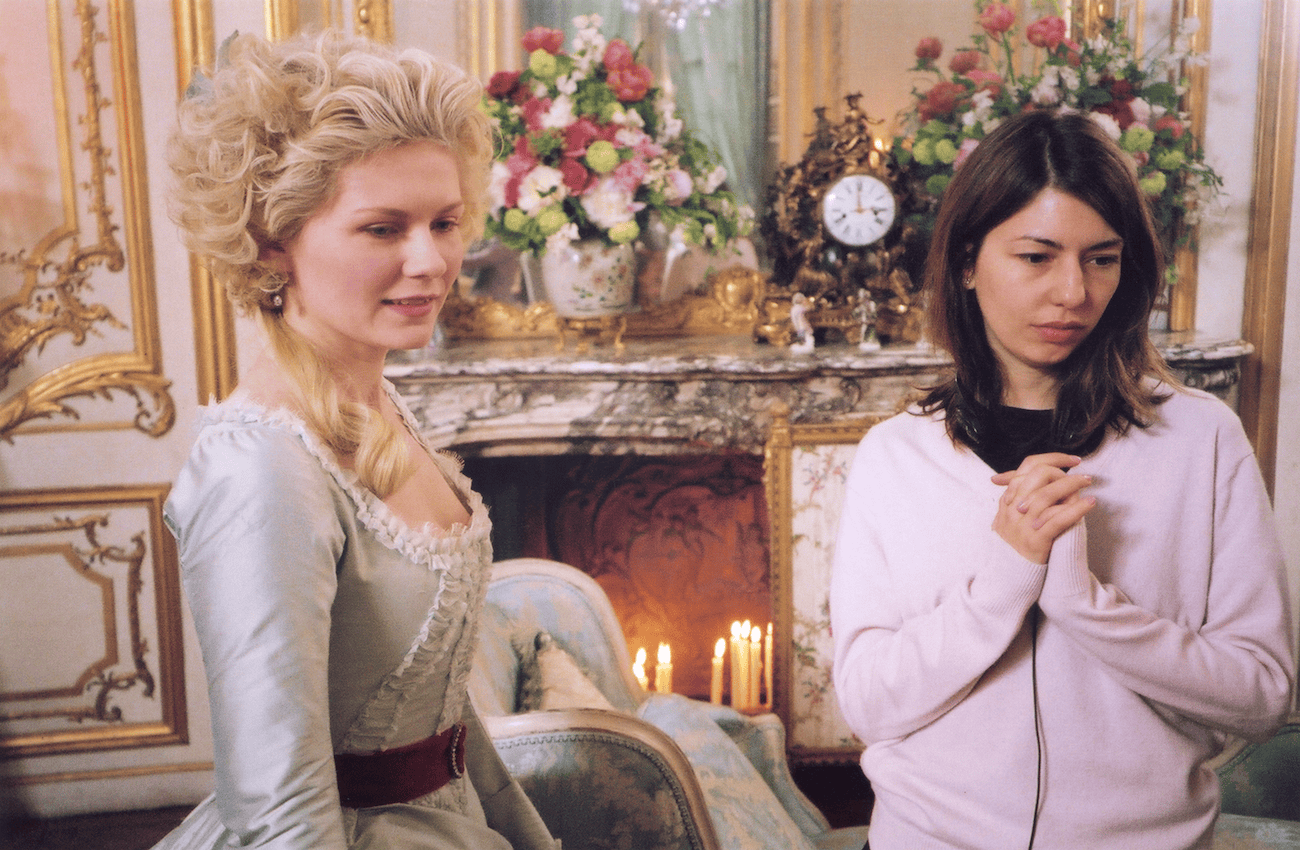
Conceived with Coppola, the exhibition traces the film from its earliest ideas to its final images, examining its aesthetic choices, filming conditions and cultural impact. Released in 2006 and filmed largely at Versailles, Marie Antoinette moved away from the conventions of the historical biopic, focusing on the intimate experience of a young woman navigating isolation, boredom and the rituals of court life.
Behind the pastel dream
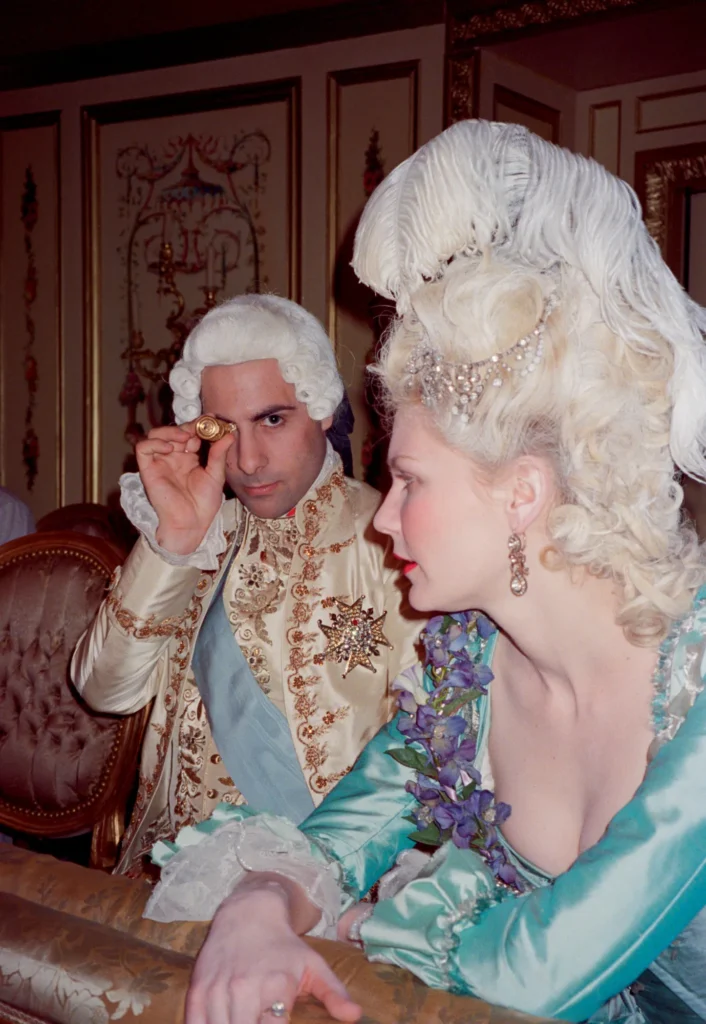
Original costumes by Milena Canonero sit alongside filming accessories, storyboards, annotated scripts, set photographs and production sketches, revealing how historical references met Coppola’s contemporary sensibility. Eighteenth-century Versailles becomes a world of pastel colour, fashion imagery and pop culture, with Canonero’s costumes shaping much of its distinctive visual vocabulary.
The film’s attention to colour, silhouette and detail established what Versailles describes as a recognisable “Marie Antoinette style”, whose influence continues across fashion, design and photography. Canonero received the Academy Award for Best Costume Design in 2007, further securing the film’s place at the intersection of cinema and fashion.
When Versailles became a character
Screenings return visitors to sequences filmed inside the palace’s historic rooms, placing Versailles as a monument in dialogue with Coppola’s intimate cinematic vision. Architecture, interiors and costumes become inseparable from the film’s identity.
“It became part of the film’s language and atmosphere, a character in the film,” Coppola says of Versailles, reflecting on her return two decades later. The exhibition follows this idea through the spaces where the film was made and the visual choices that gave them a new cultural life.
The intimate world of the Petit Trianon
Closely associated with Marie Antoinette, the Petit Trianon offers a more intimate counterpart to Versailles’ grand ceremonial spaces. The Queen made the estate her private domain, away from some of the formal demands of court life.
This setting resonates with Coppola’s portrait of Marie Antoinette as a young woman negotiating identity, desire and self-construction within a tightly controlled world. The exhibition considers how the film reshaped the cultural image of both its heroine and Versailles itself.
From cinema to fashion and beyond
Coppola’s aesthetic has travelled far beyond cinema, influencing fashion, design, photography and contemporary luxury culture. The exhibition traces this wider legacy while placing the film within Versailles’ enduring relationship with cinema and fashion.
Supported by Cartier, the exhibition also draws a connection to the Maison’s history with Versailles and eighteenth-century decorative culture. Louis Cartier drew inspiration from the palace’s interiors and furnishings, while Cartier’s heritage includes the Hope Diamond, set by the Maison in 1910 and believed to have once belonged to the French crown jewels.