Marking the 150th anniversary of Constantin Brancusi’s birth, Matrix Muse opens today, November 25th, at Pace Gallery London. The exhibition gathers four major sculptures, previously unseen drawings and archival materials, tracing the artist’s enduring fascination with the muse as a universal emblem of life, creation and metaphysical origins. On view until January 30th, 2027, it offers an intimate look at one of the defining threads of his practice.
Curated by Dr. Jérôme Neutres, the exhibition takes its title from the Latin matrix, meaning both womb and source. Here, the muse transcends the female figure, embodying the mysteries of existence and the primordial forces of creation.
The muse beyond the human form
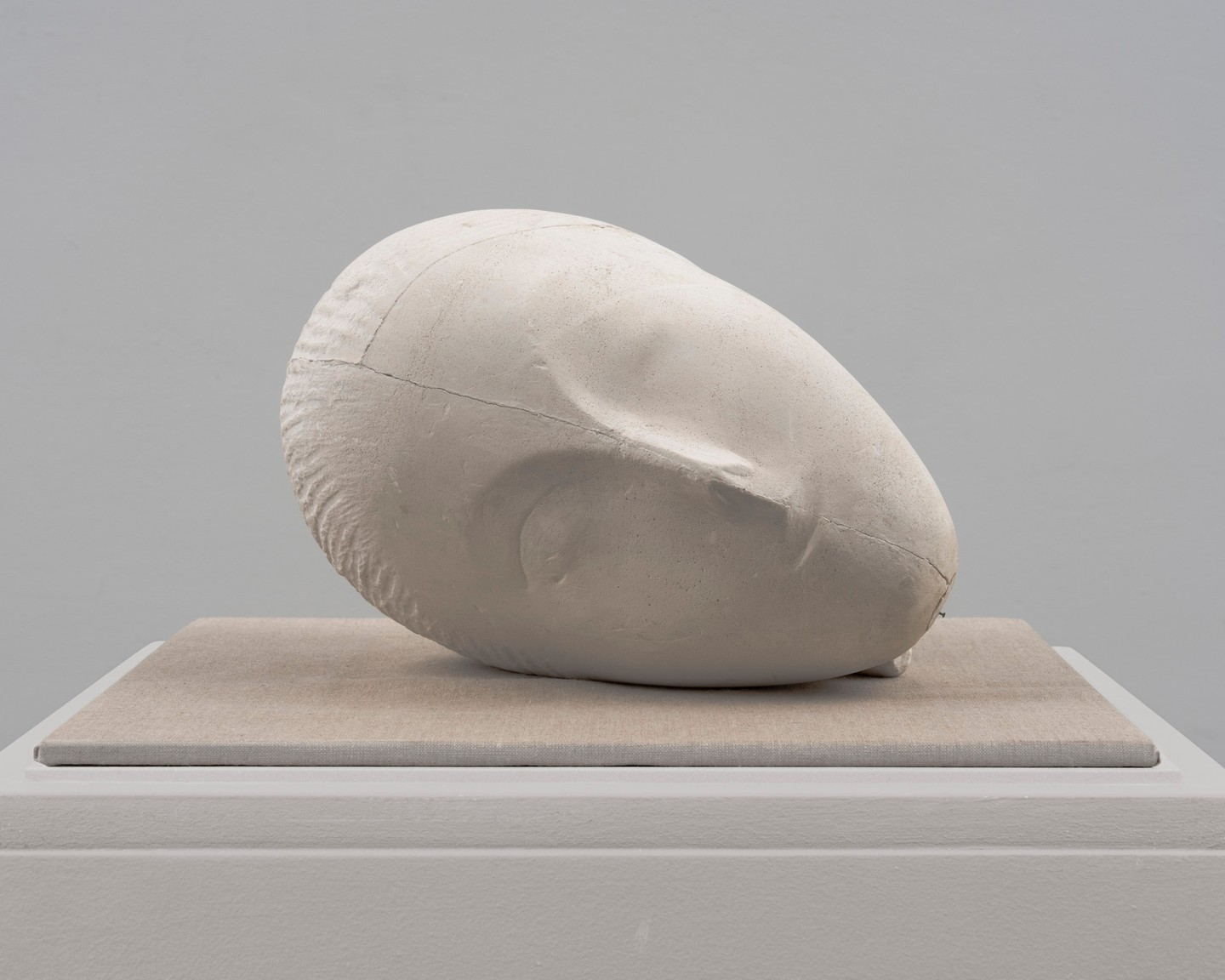
Plaster and polished bronze sculptures appear alongside drawings, personal writings and archival photographs. Highlights include Le premier cri (The First Cry, 1917), whose egg-like silhouette evokes birth and renewal, and two interpretations of the muse: La muse endormie I (Sleeping Muse I, 1912) in plaster and Une Muse (A Muse, 1918), cast in bronze and mounted on stone.
A selection of previously unseen ink and gouache drawings from 1917–1925 offers a rare glimpse into Brancusi’s creative process. Accompanied by personal notes and photographs, these works reveal his gradual distillation of the human figure into its most essential forms.
Across sculpture and archival material, Matrix Muse traces Brancusi’s pursuit of an original artistic language, in which abstraction becomes a means of approaching the elemental forces of existence. The exhibition coincides with Brancusi: The Artist and His Studio at The Museum of Modern Art in New York, further honouring the legacy of one of modern sculpture’s most influential pioneers.
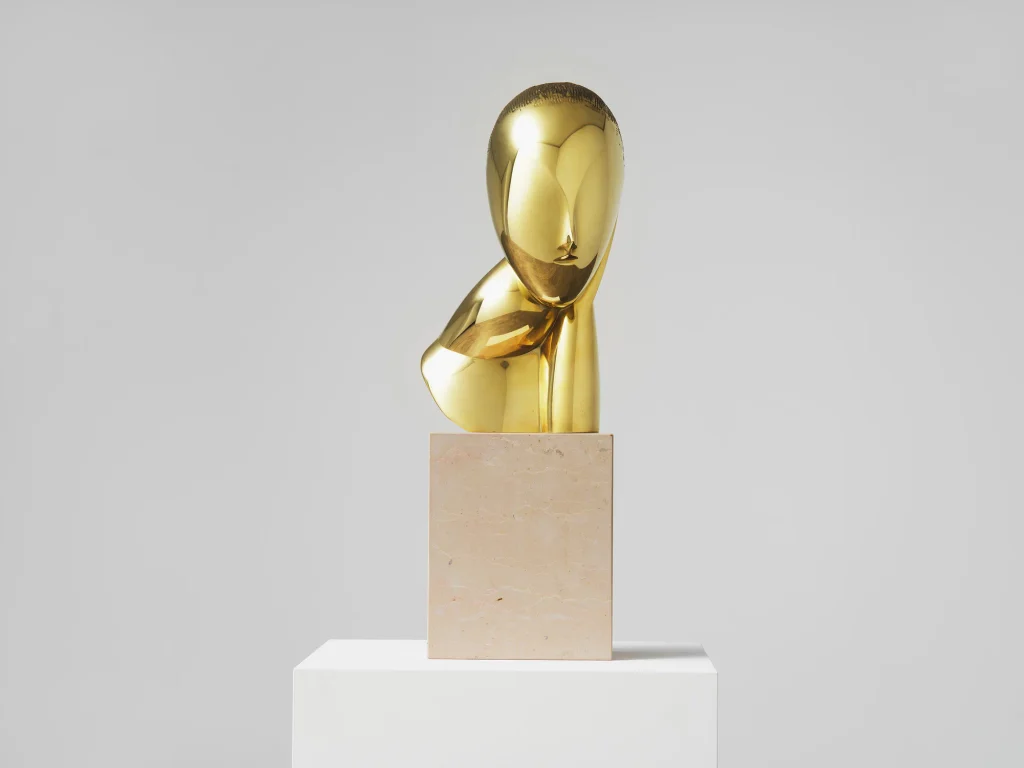
Une muse, 1918 © SUCCESSION BRANCUSI – ALL RIGHTS RESERVED (ARS) / ADAGP, Paris