Photography by JACK ORTON
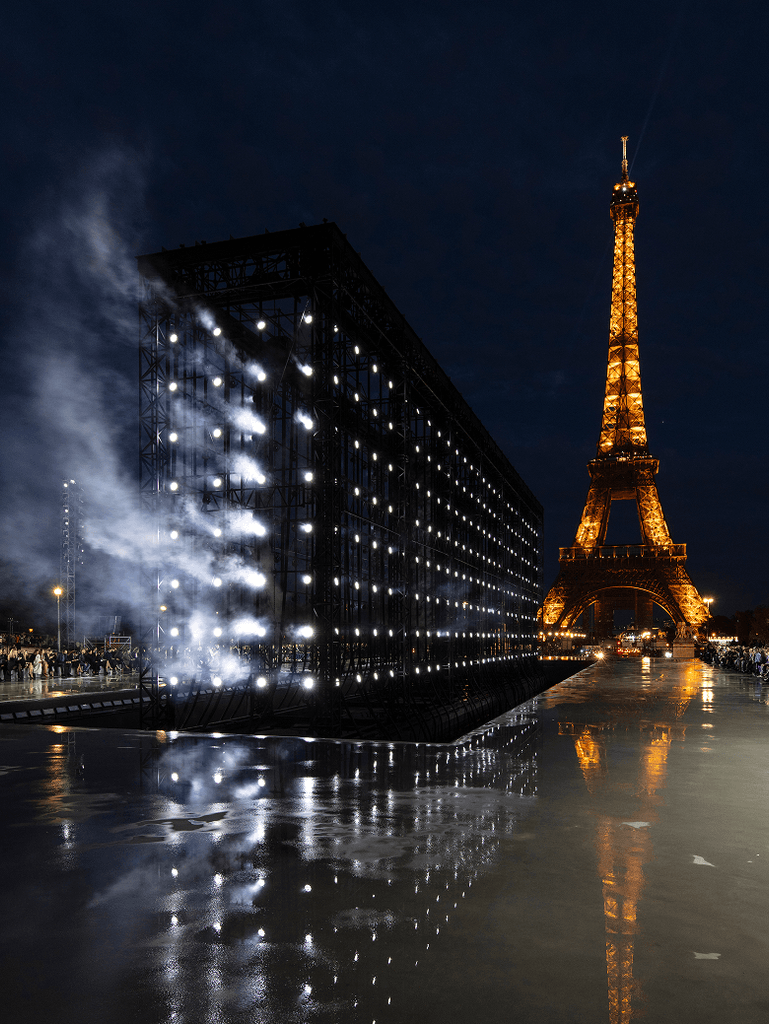
VACCARELLO, Jardins du Trocadéro, Paris
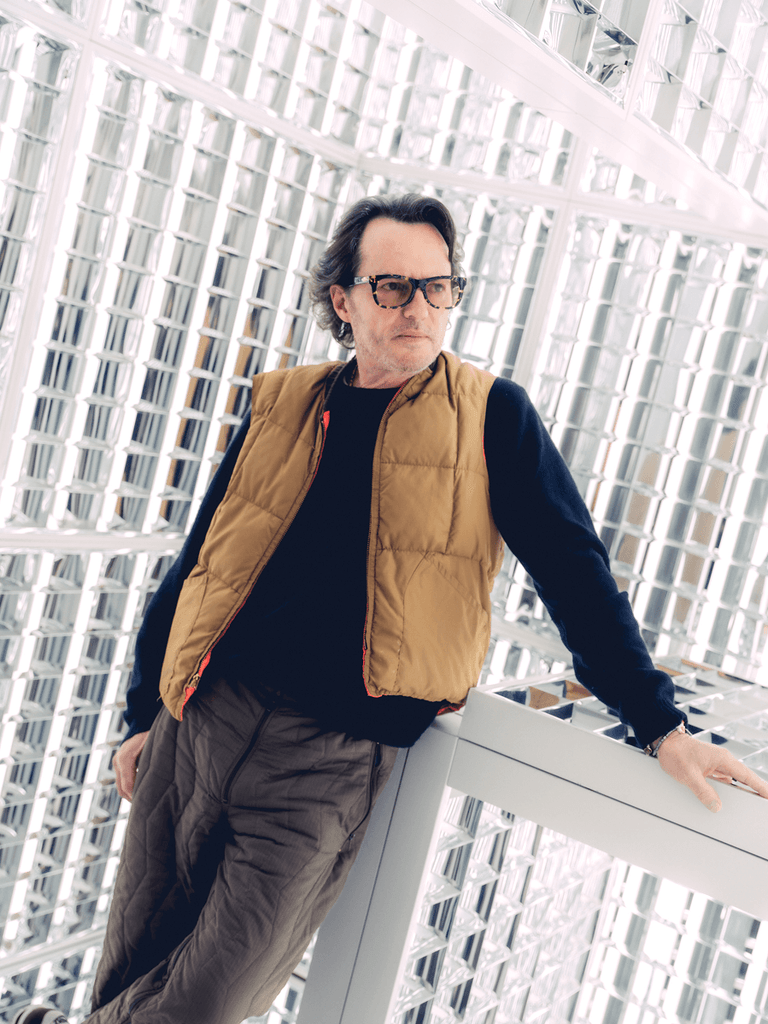
Photography by DANIEL BERES
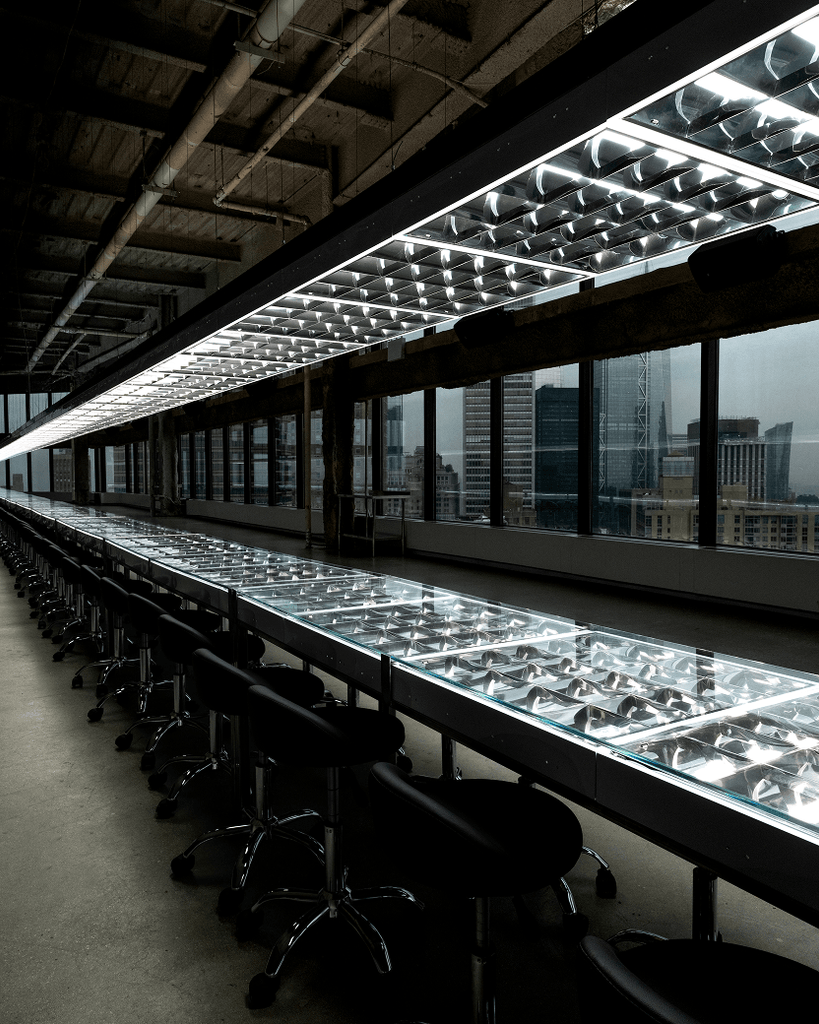
Photography by SAVANNAH WHITE
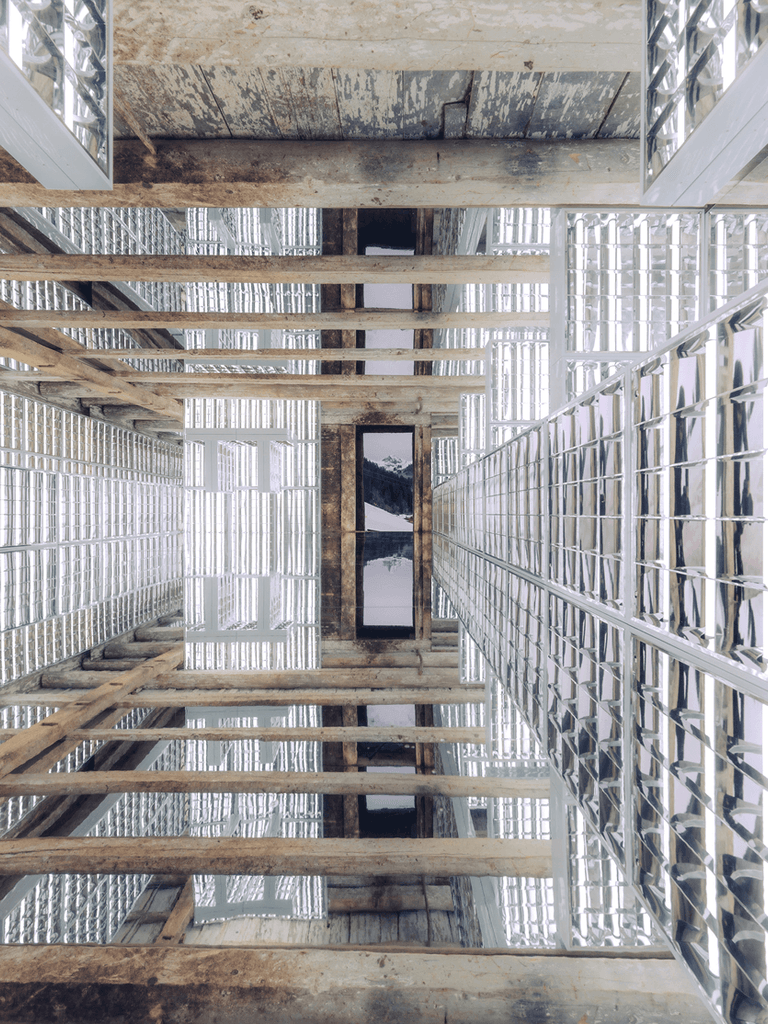
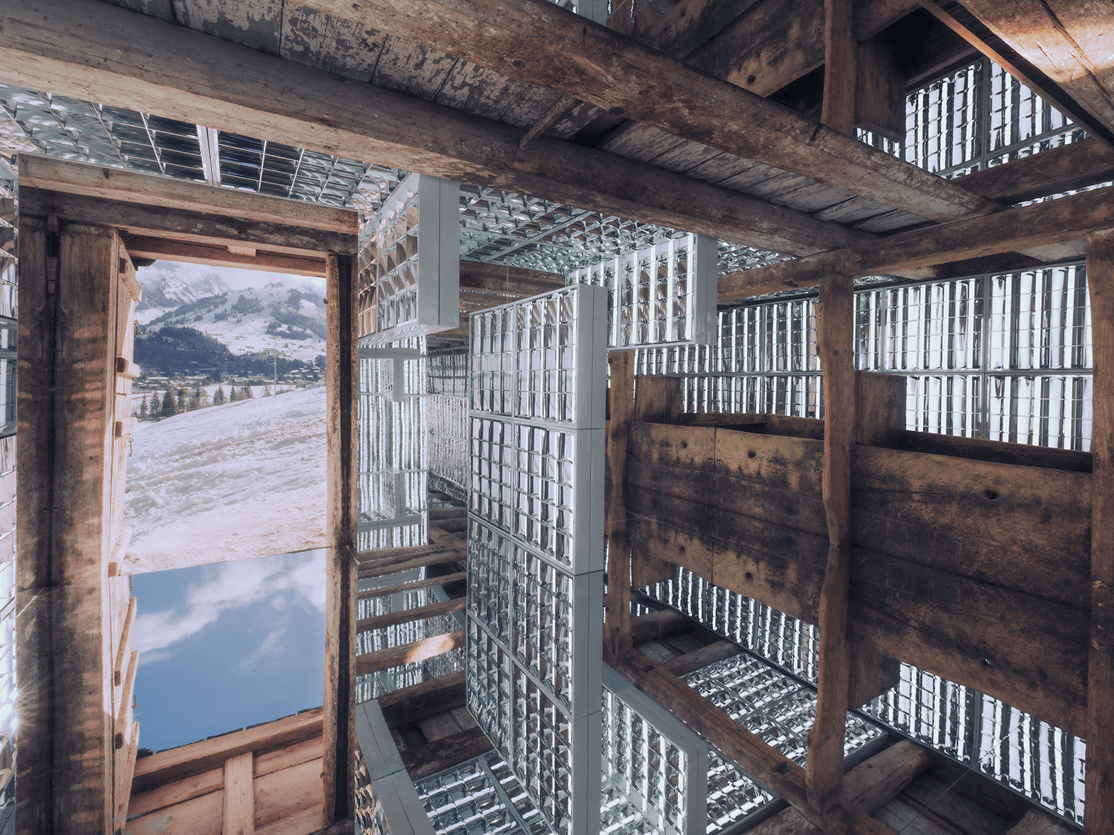
Gstaad Art Week, Switzerland
Photography by JACK ORTON
In conversation with Alexandre de Betak, it quickly becomes clear that he is incapable of doing anything by halves. “Everything I do,” he says, “I do one million percent.” That single-mindedness explains how he transformed the fashion show into a cultural spectacle—and why, after more than three decades and thousands of productions, he is leaving the catwalk behind. Raised in bohemian Paris, de Betak spent his teenage years behind the camera before producing his first fashion show at just nineteen.
By 1990, he had founded Bureau Betak. Three years later, he had taken the show on the road to New York and was making the seemingly impossible happen for the world’s biggest fashion houses. He submerged the Louvre courtyard in moss and swathes of blue delphiniums for Dior, demonstrated the power of restraint with Jacquemus’ unforgettable socially-distanced runway through a wheat field, created a glittering snow globe for Galliano, and quite literally crashed the internet with Victoria’s Secret’s first live-streamed show. Having stepped away from that glittering career at its peak, one has to wonder what comes next for the “Fellini of Fashion”? De Betak tells hube he is coming back to himself, channelling the creativity that for so long fuelled other people’s visions into projects entirely of his own. The result can be seen in his solo exhibition, TRUSS LIGHT SCULPTURES 01, on view at Salon 94 Design in New York through 19 December.
hube: Starting a new chapter after decades of success requires a certain courage. Did becoming an artist feel more like a beginning or an act of letting go?
Alexandre de Betak: It’s a mix of everything, which is what I believeis interesting. There is, of course, an intention and a form of new beginning, which isinsanely exciting and very weird. I started my creative life very young—literally when I wasseventeen years old. I did my bac, I finishedschool and had already begun working. WhenI was twenty, I started Bureau Betak, whichI ran for more than thirty years, doing thousands of fashion shows and events.
When I decided to stop being involved personally with the shows, to let my team take over and fly solo, to start from scratch again, those closest to me were like: “That’s great, but why don’t you do both?” No one asked me why I was finally doing my own artistic work. What everyone was wondering was why I would stop doing what I had been doing so well before—because not only was I doing it well, the work itself was also doing so well.
Bureau Betak has been growing and growing and growing, and it has reached a very important place in the world of what it does: creating and producing events and fashion shows. It got slowed down like the rest of the world during COVID, actually stopped completely, and then after COVID things went crazy and got much better. Things are continuing to go amazingly well for Bureau Betak, which is led—well, the top of it is led—by my main collaborators who have been with me for decades, and to whom I offered a part of the company and then sold the rest. They are doing amazing work, still under my name and with the DNA built over decades and thousands of fashion shows—that DNA of mine which has guided the creativity, the creation, the creative particularities of every aspect of my life.
I also had other important personal events in my life which, combined, helped me decide to make the transition drastically rather than doing it more progressively, or even committing to both the old and new simultaneously. The reason for this is that, first of all, I’m very extreme as a person. Whatever I do, I do one million percent. My dedication went to creating new concepts and to helping revolutionise the fashion show and re-revolutionise it every time it needed it. Since I started, the fashion show has gone from being a private affair, to a TV affair to an internet affair to a social media affair to, in the future, a VR, AR, and AI affair—and every few years, or at least every decade, there was reimagining and re-revolutionising to be done for that system to continue to evolve, to remain interesting, to remain inspiring, and to remain efficient. Just like anything else, to do this successfully requires one million percent, and for that exact reason, I really devoted my life to it.
I often attempted to take ideas into more personal work; over the years I did a few pieces of design and furniture—I’ve designed houses and some scenography—but in comparison, never as much as I could or should have, and never with as much energy as I dedicated to the fashion world. So yes, I basically decided that it was necessary to stop putting my personal creativity into fashion shows and to dedicate it entirely to my own artistic work instead.
However, I strongly believe in artistic multidisciplinarity. My obsessions and creative recurrences, which informed all I gave to fashion over the years, are the same obsessions and the same creative recurrences that will guide my personal artistic work. Therefore, I also strongly believe that artistic work is not linear, that it should have no boundaries, and that, in reality, one’s personal obsessions, inspiration, emotions, and beliefs can come out creatively through any medium and in any form. What that form is makes no difference to me.
I believe that my personal obsessions with different forms of light, and with different forms of contradiction and contrast—the sleek and the organic, the modern and the antique, the rough and the smooth—will continue in my work moving forward. Whether I apply my artistic knowledge and obsessions to sculpture, an art installation, fashion show scenography, exhibition scenography, a piece of furniture, interior design, or architecture, in the end it’s all the same to me.
I would like to glorify and promote the idea—kind of like it was a hundred years ago—that creativity should not have boundaries. Today, people put artists in boxes because it makes them easier to understand. I have never believed in boxes in any form. I have always felt like an outsider, and that’s probably because I am completely self-taught. At the same time, being self-taught has provided me with great freedom. You can’t refer to what you don’t know. You can rethink things if you don’t know their rules or history. That was the case for me when I started doing fashion shows, and it is the case for me again now that I’m doing art installations and light sculptures.
More specifically, I was always interested in—and maybe influenced by—the few multidisciplinary artists of the past century. I think a hundred years ago there were many more than now. The surrealist school of art in 1920s Paris was way more open-minded, and so was the world around it. Back then, artists could paint, sculpt, or cook, and no one would make a distinction because of the medium. I believe in that. To me, all creative expression is valid, and it is even more valid when conveyed in different fields or with different tools.
So why I stopped, and how, is a mix of everything. I partly stopped doing fashion shows because I had been one million percent creatively involved and didn’t believe in any other way of being, and now I want to be one million percent creatively focused and involved in the personal artwork I’m making. But at the same time, I believe that both kind of overlap. Despite a lot of people saying, “Wow, you completely changed your life, before you did fashion shows, and now you do art,” I believe that, in reality, I’ve changed nothing. I use the same tools I’ve used all my life. I have the same obsessions, and they inspire me in the same way. What has changed is the context within which I do it.
What is very new is that even though the tools seem the same, they are not identical. When you create an ephemeral body of work and then a lasting one, you have to use different techniques, different resources, and different tools. In other words, an artistic installation that will last a few minutes or hours is not made the same way as one that will last forever, but the emotion that comes from the two can be very similar. So, there’s a very interesting and extreme mix of the two: I have changed everything in my life, and yet, at the same time, nothing at all. I’m basically continuing the same creative path that has led me forever, but from now on it will more specifically be in durable art.