Tina Kukielski Art in the Twenty-First Century supporting artists
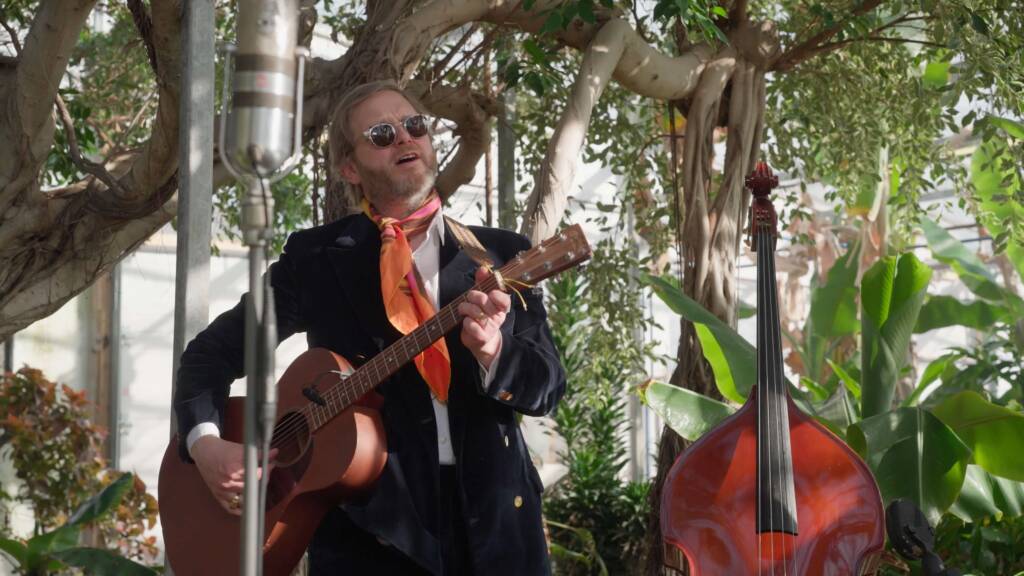
Production still from the Art in the Twenty-First Century Season 12 episode ‘Human Nature’. Courtesy of ART21, INC. 2026

Tina Kukielski: on patience, persistence, and why she believes in the long tail

Tina Kukielski
Art in the Twenty-First Century
supporting artists
TINA KUKIELSKI
Tina Kukielski
Art in the Twenty-First Century
supporting artists
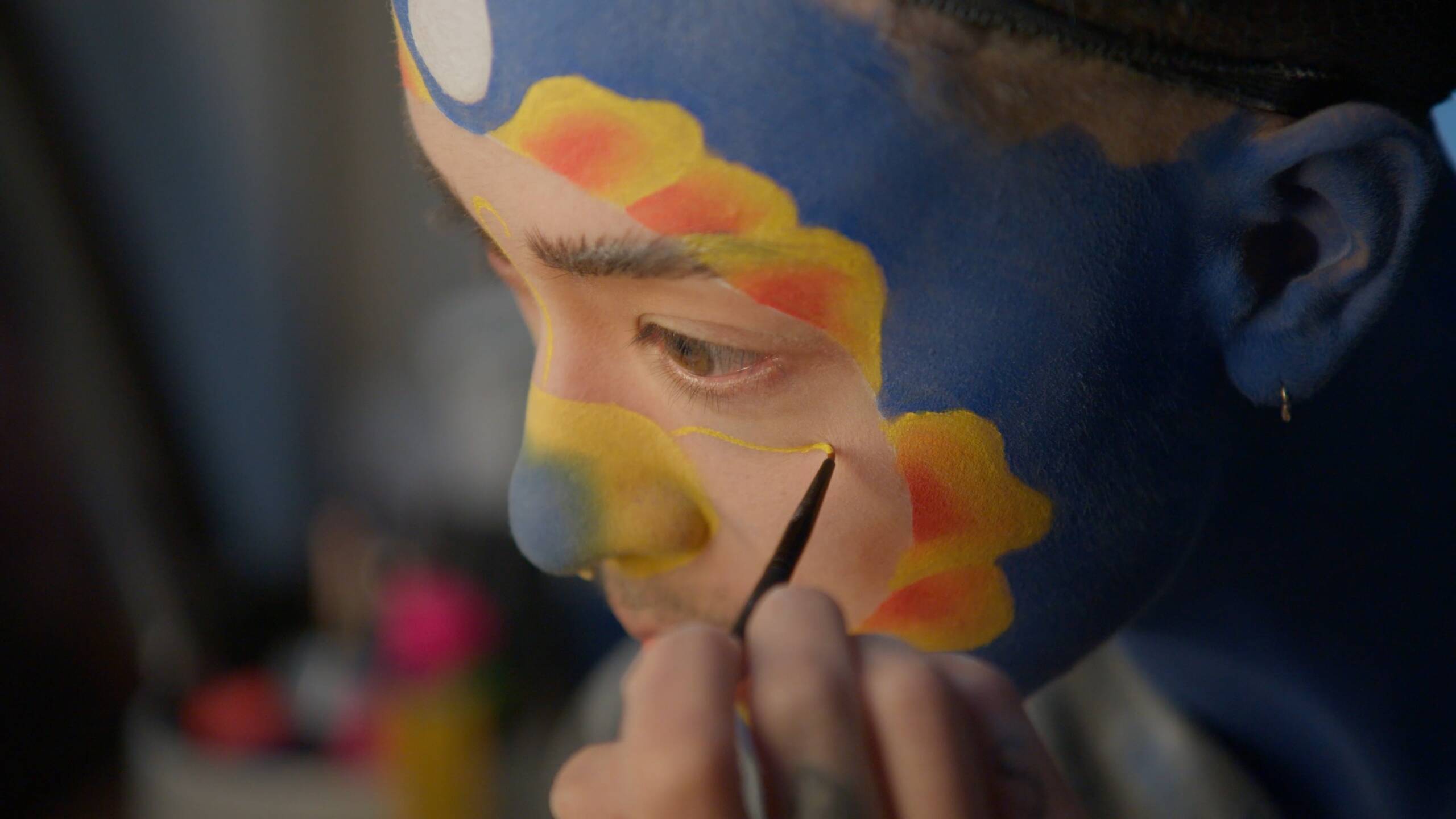
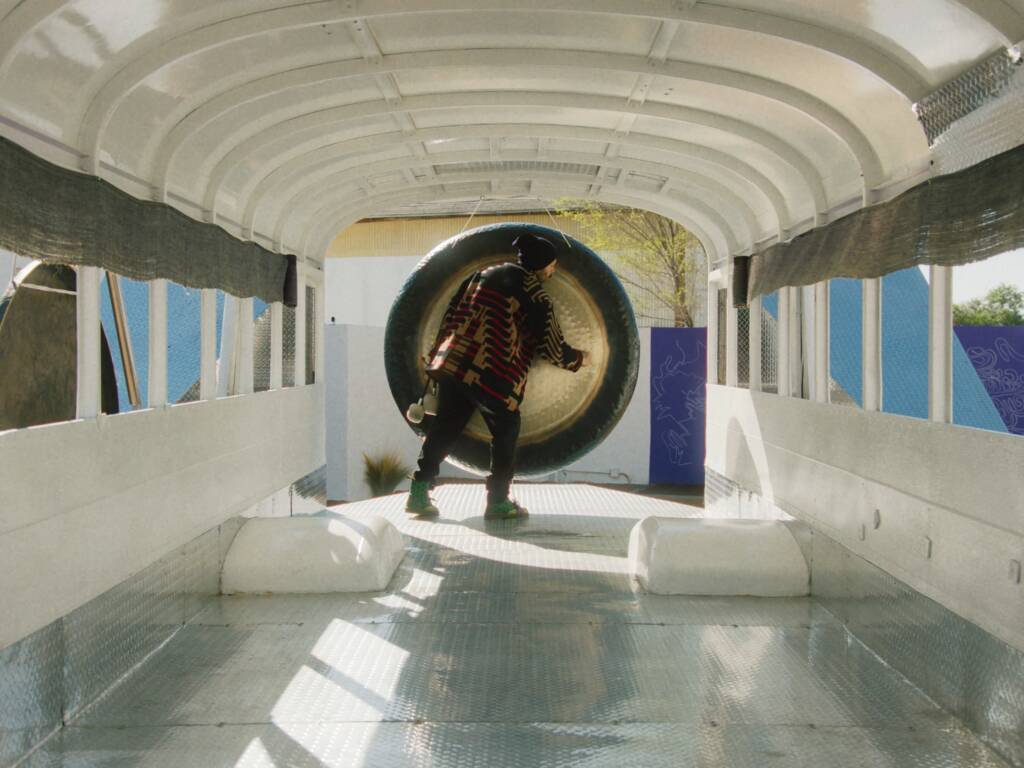
Production still from the New York Close Up film Trey Abdella’s Miserable Dream. 
Courtesy of ART21, INC. 2025
Tina Kukielski
Art in the Twenty-First Century
supporting artists
Production still from the New York Close Up film Guadalupe Maravilla’s Maripoisa Relámpago.
Courtesy of ART21, INC. 2025
Tina Kukielski
Art in the Twenty-First Century
supporting artists
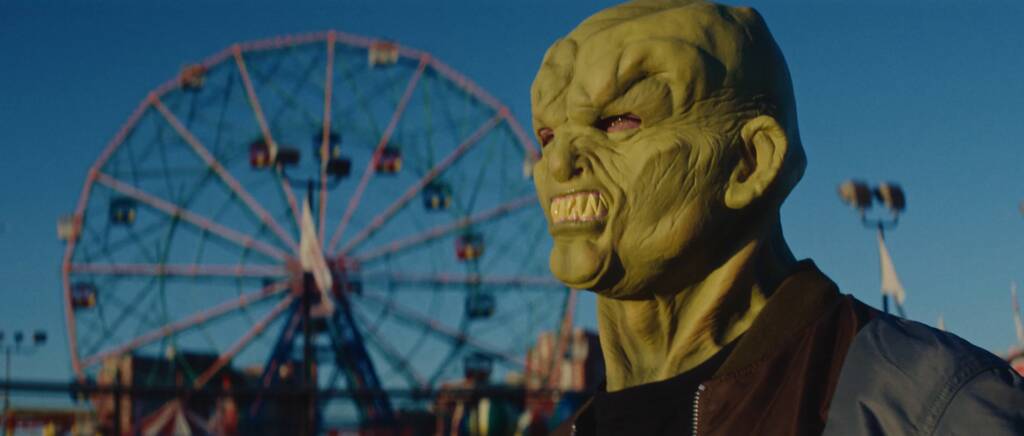
Production still from the Art in the Twenty-First Century Season 12 episode Realms of the Real 
Courtesy of ART21, INC. 2026

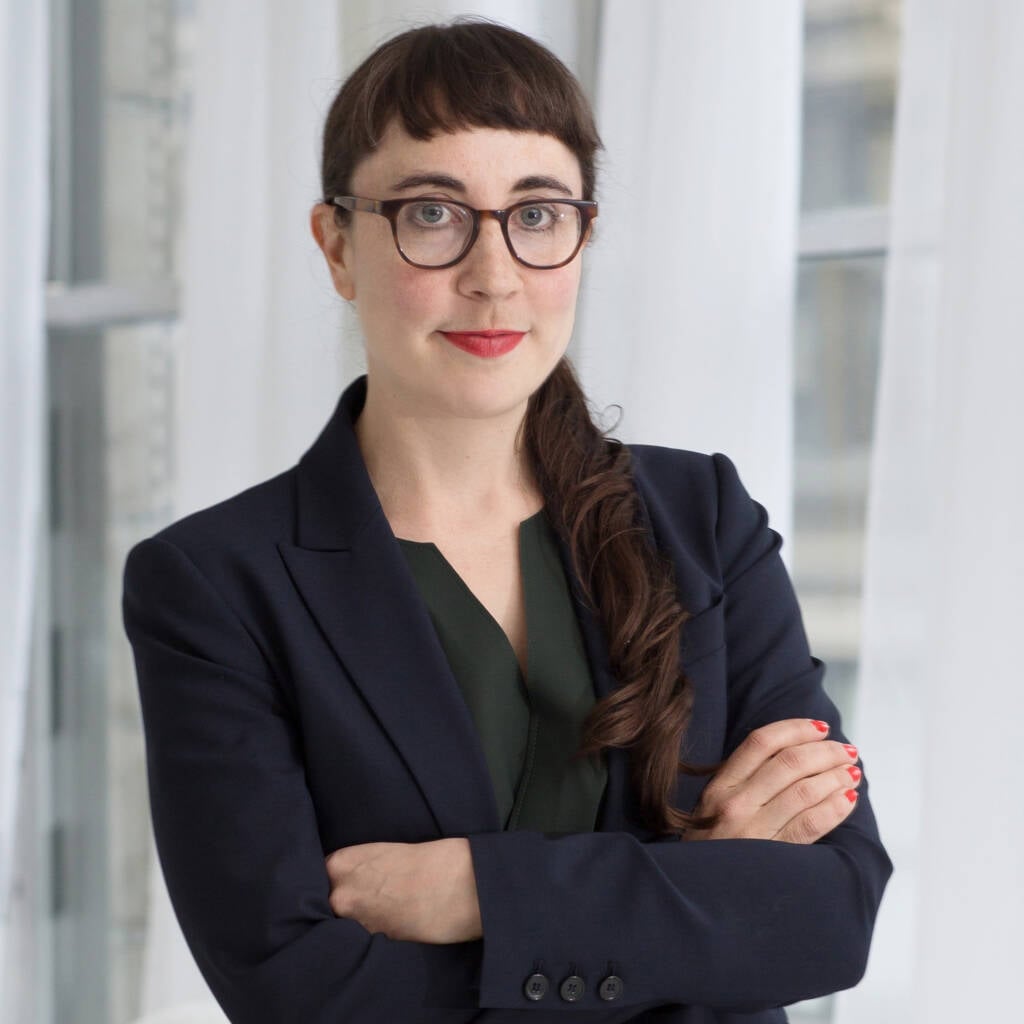
For more than two decades, Tina Kukielski has worked with art, storytelling, and institutional imagination. As the Susan Sollins Executive Director and Chief Curator of Art21, she has helped shape one of the most enduring and influential platforms for documenting contemporary artists through patience, proximity, and long-term commitment.

Art21’s films and educational programs have followed artists across decades, capturing their finished works and their lives, at times defined by uncertainty, doubt, and discovery. In an era marked by fractured attention, technological change that becomes hard to keep up with, and constantly shifting cultural infrastructures, Kukielski continues to ask what it really means to support artists and how institutions might move from being storehouses of objects to spaces of empathy and connection.

In this interview, Tina Kukielski reflects on long-term relationships with artists, the power of process over product, the challenges of documenting work shaped by algorithms and systems, and why uncertainty remains one of art’s most important tools for navigating the present and imagining the future.

About Art21

Art21 enables everyone to learn directly from contemporary artists. As a non-profit organization, it is dedicated to expanding access to contemporary art and the ideas that shape it. With the ambition of inspiring a more creative and inclusive world, Art21 educates people about the works and words of contemporary artists. Since its foundation, Art21 has documented the work of over 300 artists from five continents through films, educational programmes, and public platforms. In 2026, Art21 marks the 25th anniversary of its PBS series Art in the Twenty-First Century.

In 2026, the platform celebrates 25 years of expanding access to art, with special year-round programming, including new films and programs featuring voices like Njideka Akunyili Crosby, Camille Henrot, and Tomás Saraceno.

Episodes 1 and 2 of Art in the Twenty-First Century Season 12 are available to watch online, and Episode 3 premieres June 10, 2026.

hube: Art21 has long been distinct in how it sustains artists over timethrough visibility, dialogue, and long-term relationships. How do you define “support” for an artist today, and how does it differ from simple institutional exposure?

Tina Kukielski: When I look back at Art21’s original mission, there was an urge to create an organisation that could fill a gap. At that time of our founding in the late 1990s, one gap centered on access to art: who had it and who did not. Museums were not effective in serving an expanded audience for art, and our founders saw this task as up for remediation. At the time, television provided an antidote. And Art21’s films and education program grew from there.

In supporting artists today, we seek to address the emerging gaps of our present day. Museums continue to struggle to attract audiences, the attention economy has splintered our skills of concentration, the art market ebbs and flows, arts education continually finds its curriculum on the chopping block, and art criticism is in a moment of dormancy. Despite its corruptability, technology still offers hope in crossing geographic and cultural divides, and storytelling continues to be a compelling way to bridge differences.

Art21 combines this core idea of distribution—how one accesses information—and this idea of translation, meaning how the ideas of artists are communicated effectively across that information network. None of us in the cultural sphere would have purpose without the work of artists. We are always guided by the artists we work with, curious about their questions, their provocations, and their visions for what art can do and what kind of world might be possible. Their words and works serve as a guidepost, especially in times of crisis and change. So support for artists today means getting the message across to Art21’s diverse audiences, now numbering in the millions. For some artists in our program, that work transpires over many years and over many encounters and formats.
h: Do you see Art21’s role as primarily observational, documenting artistic practices as they unfold, or does long-term engagement actively shape how artists reflect on and articulate their own work?

TK: As the lead documentarians on contemporary art and artists, our work captures the trajectories of many artists from their early years through key milestone projects into global fame, as in the case of Kerry James Marshall, with whom we have documented over 23 years. I frequently say to an artist when we welcome them into the family of artists that you are now “an Art21 artist for life”. Through our Extended Play series, we are committed to following artists through the trajectory of their careers. This means one, two, or three films, maybe more, building educational resources, and curating their work into cross-disciplinary educational programs for audiences of all ages. The relationship is compounded. We believe in the long tail.

We first filmed with Marshall in 2000 for Season 1 of Art in the Twenty-First Century,our television program, then again in 2014, and most recently in 2023, chronicling his invitation to replace depictions of Confederate forces in the stained glass at Washington D.C.’s National Cathedral with iconographic images of protest.

Art21’s long-term approach is anthropological. Our production process tends towards slow unfolding moments, and that requires patience and persistence. Today, you find most filmic content in art that orients towards the final work on view; photogenic moments that tend toward the white cube. At Art21, our signature is process. We seek out the messy and uncertain moments. Without those pivots in the storyline, you lose the sense of inquiry and discovery that makes art relatable. It’s something of an Art21 hallmark. 

h: Having worked across exhibitions, curation, and film, what does moving-image storytelling allow you to do that other curatorial formats cannot?

TK: As a recovering museum curator, I like to think that Art21 can model an alternative future for institutions. We are practiced storytellers in a world where storytelling is currency. Evidence supports our belief that documentary filmmaking drives empathy. And filmmaking requires collaboration, itself a value add. 

Being multi-platformed is one of our unique strengths. I commend the team at Art21 for being open to testing new methods and new avenues for connection, even when we don’t know the way. Today, that means exploring the potential of duration, editing style, delivery, program, and platform while being open to new approaches to art and how to teach it. There are still ways for us to experiment. There is always an emerging generation thinking and looking at the world anew. The sense of possibility keeps us on our toes.

As an archive of documentary film, distinct from a collection of completed or finished works found in a museum, Art21 believes that this library will offer unforeseen reflections on the broad sociocultural issues of the 21st century. Offering future generations the chance of uncovering connection and meaning also excites us.

It was in the context of museum curating at the Whitney Museum and Carnegie Museums that I began to open my mind to what institutions could be. Instead of being storehouses for art, how could they become transmission centers, fostering connections from the outside in, and vice versa? With empathy, collaboration, and a desire to connect at the core, we feel the format has endless potential.

Tina Kukielski
Art in the Twenty-First Century
supporting artists
Production still from the Art in the Twenty-First Century Season 12 episode Between Worlds 
Courtesy of ART21, INC. 2025
Tina Kukielski
Art in the Twenty-First Century
supporting artists
Production still from the Extended Play film Howardena Pindell: Inner Circle. 
Courtesy of ART21, INC. 2024
Tina Kukielski
Art in the Twenty-First Century
supporting artists
Production still from the Extended Play film Jack Whitten: An Artist’s Life. 
Courtesy of ART21, INC. 2018
Tina Kukielski
Art in the Twenty-First Century
supporting artists
Production still from the Art in the Twenty-First Century Season 1 episode Identity 
Courtesy of ART21, INC. 2001
Tina Kukielski
Art in the Twenty-First Century
supporting artists
Production still from the Extended Play film Kerry James Marshall: Now and Forever. 
Courtesy of ART21, INC. 2023
Tina Kukielski
Art in the Twenty-First Century
supporting artists
Production still featuring MARGARET KILGALLEN in the Art in the Twenty-First Century Season 1 episode Place 
Courtesy of ART21, INC. 2001
Tina Kukielski
Art in the Twenty-First Century
supporting artists
Production still from the IRL/url film Xin Liu: Ground Station
Courtesy of ART21, INC. 2026

h: Many contemporary artists work with AI, data, algorithms, robotics, and systems that are constantly shifting. How does Art21 approach documenting practices that are algorithmic, time-based, or inherently non-static?

TK: Today, artists are working across both physical and virtual worlds, reshaping how we understand identity, community, and creative expression in an increasingly hybridised society. We have expanded our signature documentary style to platforms that define a new generation, like TikTok. And it makes sense to introduce audiences worldwide to artists whose practices reflect upon and wrestle with this new reality.

The eight artists featured in the IRL/url series are a good example. They were each born at the dawn of the digital revolution and came into maturity alongside the ubiquity of the World Wide Web and social media platforms, at a time when algorithms began to drive our consumption.

And while these artists might be more ready to embrace technology as an opportunity in the studio, they are nonetheless aware of the limits of machine autonomy, its power to enforce extreme isolation and further disparity. As with any artist we engage, we seek the motivation, the impulse, the inquiry being investigated. The trickiest thing with film is how to show something that isn’t a computer “computing”. No one wants to look at that. That means we get creative. 

h: Art21 often captures artists mid-process rather than at moments of completion or success. What does it mean to document uncertainty, doubt, or failure?

TK: New technologies, advances in science, increasing ease of global communication: you would think these developments give us a greater sense of control over the world around us and reassure us that the general trend aims toward security, peace, and prosperity. And yet, those same developments tend to accelerate our sense of bewilderment and leave us feeling adrift as we navigate new social, cultural, and political arrangements. We look to artists to propose another way to deal with the tangle of confusion: to accept and make use of it, devote themselves to embracing uncertainty and use it to creative effect.

In the messiness of life and the unpredictability it brings, disruptions can polarise us and foreshorten our view. When I feel caught, I frequently find that artists are there, offering another way. There is beauty, meaning, and discovery in the ebbs and flows of an artistic life, if we pay attention.

h: In collaborating with institutions whose missions differ greatly—from museums and galleries to educational institutes and foundations—what does Art21 look for in an ideal Partnership?

TK: Alignment. But also autonomy.

h: Over decades, Art21 has built a unique archive of artists’ voices. Looking ahead, what do you hope Art21 will continue to archive, influence, or transform within the future cultural landscape?

TK: At the end of 2025, we collectively closed the chapter on the first quarter century of contemporary art. Since the start of this year, we began on that next chapter with plans to build and chronicle the next 25 years. After that, we go for the next 25. And so on…

ISSUE 7

The new edition is here