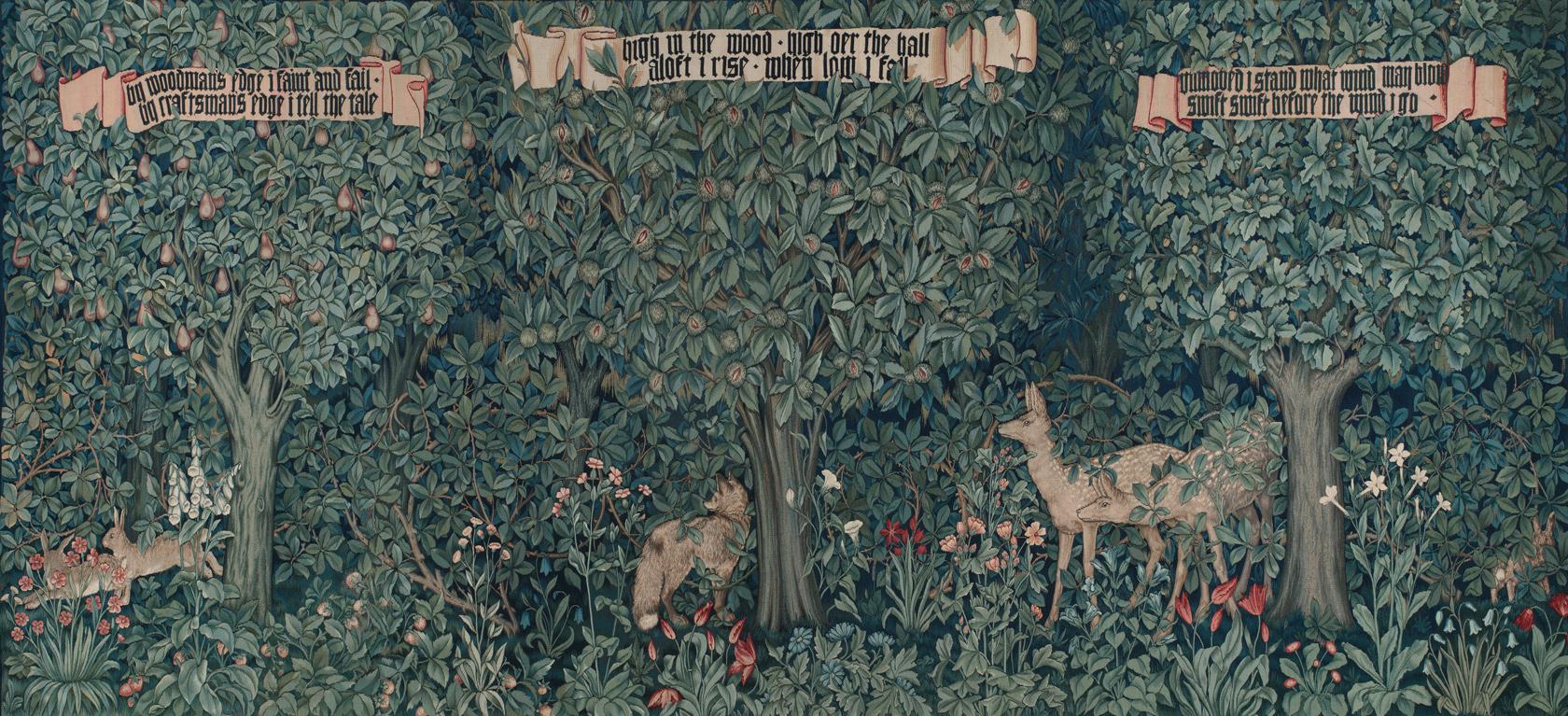
Now on view at the Museum of Fine Arts in Boston, Framing Nature: Gardens and Imagination, which invites visitors to explore how gardens in art reflect cultural values, creativity, and our evolving relationship with nature. Running from March 15th to June 28th 2026, in the Ann and Graham Gund Gallery, the exhibition brings together almost 120 pieces from the museum’s global collection, showcasing works from various centuries, regions, and artistic disciplines.
From monumental tapestries and Chinese scroll paintings to contemporary photography and fashion, this exhibition explores how artists have depicted gardens as both cultivated landscapes and powerful symbols of beauty, labour and transformation. The exhibition coincides with the 50th anniversary of Art in Bloom, the much-loved spring tradition that sees artworks throughout the museum paired with floral interpretations by designers and garden clubs.
Gardens in art: landscapes of imagination
At the heart of the exhibition is the enduring fascination with gardens in art as spaces where creativity and nature intersect. One of the highlights is the monumental Tapestry with Park Scene (late 16th–early 17th century), a richly woven Flemish work that depicts an idealized landscape filled with music, leisure, and horticultural care. Crafted from wool and silk, the tapestry transforms the wall into a lush imagined garden, offering a glimpse of how cultivated landscapes once symbolized harmony and social life.
Equally captivating are the 18th-century Chinese scrolls by Yuan Yao, including Elegant Gathering in a Secluded Garden. These delicate works evoke a refined world of pavilions, trees, and winding pathways, reflecting centuries-old aesthetic traditions in Chinese garden design. Through meticulous detail and perspective, the scrolls create the illusion of stepping into a serene landscape shaped by both nature and artistic vision.
Human relationship with nature
The exhibition also considers how artists interpret the human relationship with nature, revealing gardens as places of contemplation, labor, and cultural meaning. In Plantação (Plantation) (1971), Brazilian artist Maria Auxiliadora da Silva paints a vibrant communal harvest inspired by her childhood memories in rural Minas Gerais. The joyful scene emphasizes collective work and shared connection to the land.
Contemporary perspectives appear in the photography of Tyler Mitchell, whose work Cage (2022) imagines a vision of Black utopia within a blooming garden setting. By placing a figure at ease against a painted backdrop of flowers and a white picket fence, Mitchell reframes the garden as a symbolic space of possibility, leisure, and cultural reflection.
Another striking piece is Magnetic Field (2023) by Mary Mattingly, which envisions an upside-down landscape that feels both surreal and cautionary. The work reflects on humanity’s impact on the environment while imagining alternative ways of inhabiting the land.
A garden of art across time
Together, these works reveal how artists across cultures and centuries have used gardens to reflect on beauty, identity, and ecological awareness. By weaving together historical masterpieces and contemporary voices, Framing Nature: Gardens and Imagination transforms the museum gallery into a visual journey through landscapes both real and imagined—reminding us that gardens are not only cultivated spaces, but enduring metaphors for how humanity understands and shapes the natural world.
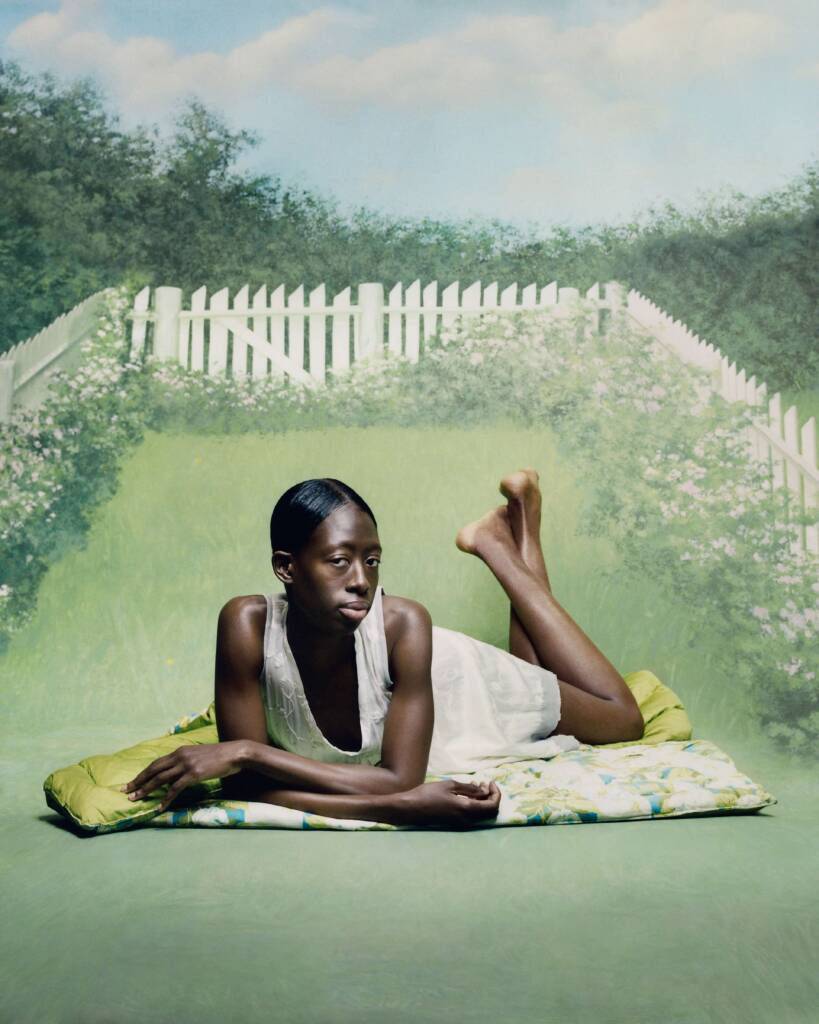
Cage, 2022
Courtesy of TYLER MITCHELL
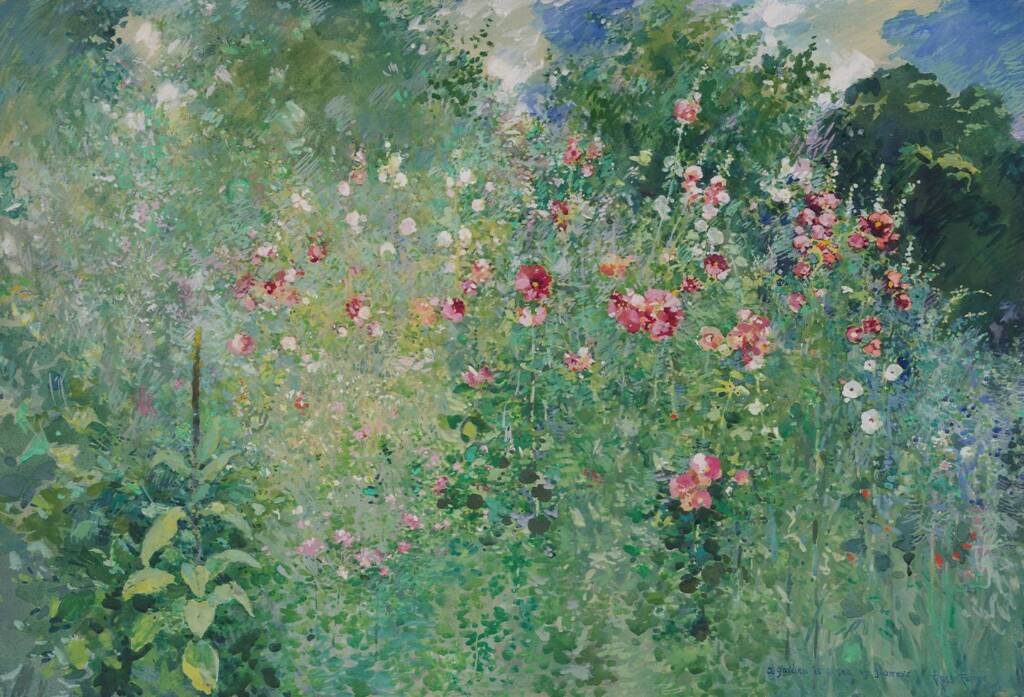
A Garden Is a Sea of Flowers (detail), 1912
Gift of the ESTATE OF NELLIE PARNEY CARTER
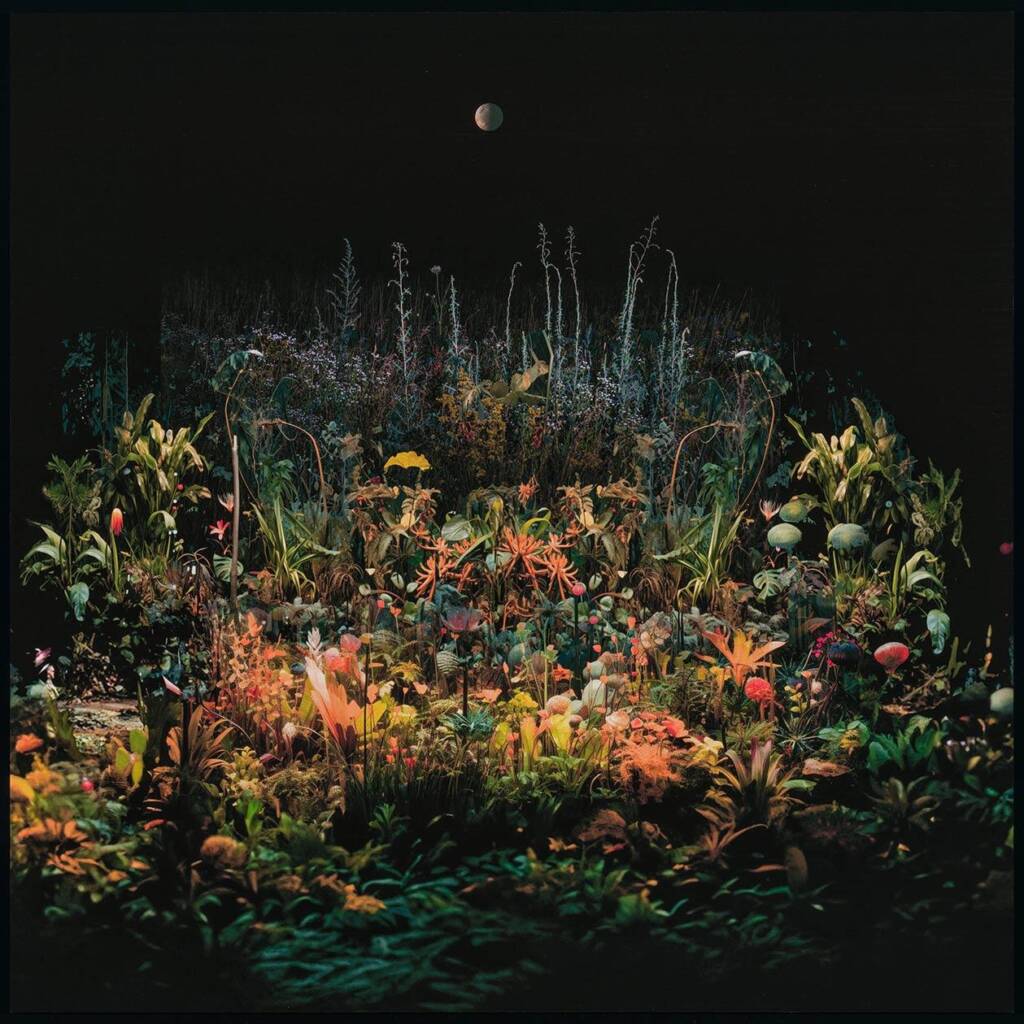
Magnetic Field, 2023
Archival pigment print. LINDA C. WISNEWSKI FUND FOR PHOTOGRAPHY.
Courtesy of MARY MATTINGLY
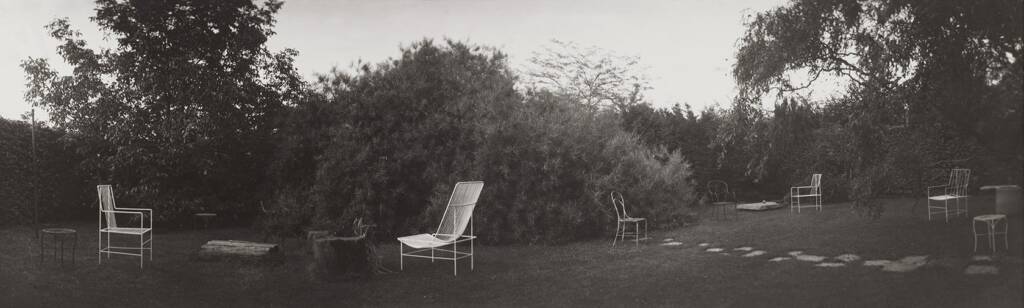
A Walk in the Magic Garden, 1954
THE SONJA BULLATY AND ANGELO LOMEO COLLECTION of JOSEF SUDEK Photographs.
Courtesy of ANNA FÁROVÁ