Maurizio Zanella Franciacorta Salone del Mobile art patronage
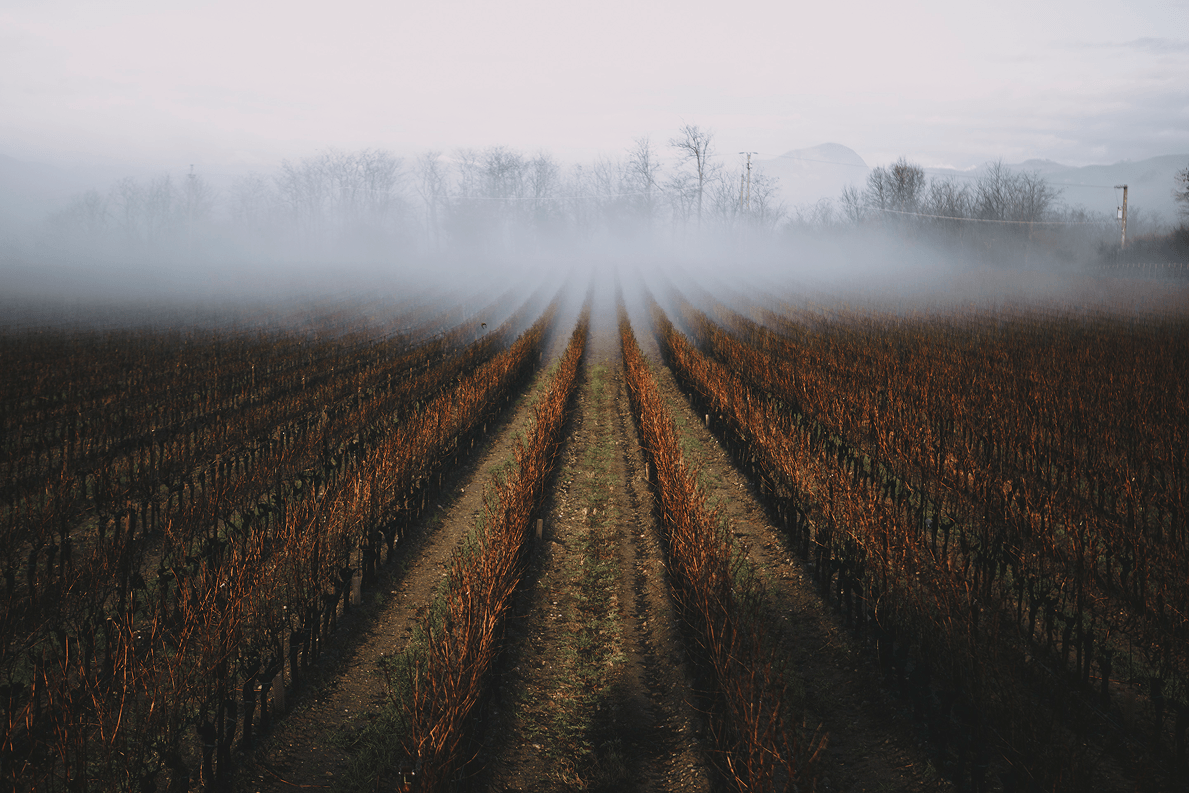
Courtesy of CA’ DEL BOSCO

Maurizio Zanella: philosophy of art patronage

Maurizio Zanella, who has led Ca’ del Bosco for several decades, has cultivated far more than exceptional sparkling wines. With a clear and thoughtful vision, he has elevated the Franciacorta winery beyond mere production, integrating contemporary art into the landscape. At Ca’ del Bosco, wine and art are not separate worlds but harmonious expressions of craftsmanship—each bottle and each sculpture tells a story of dedication, patience, and sensory depth.

With a poet’s sensibility and a pioneer’s resolve, Zanella’s approach to art patronage transforms every corner of the estate into a sanctuary of beauty and reflection. This philosophy finds expression in meaningful partnerships, such as the longstanding collaboration with Salone del Mobile, where design, sustainability, and the art of living well converge. Ca’ del Bosco stands as a testament to the belief that true luxury lies in the fusion of tradition and innovation—an invitation to slow down, to truly see, and to feel the enduring power of creativity intertwined with the land.

hube: Ca’ del Bosco is a family-rooted enterprise in a sector often seen as deeply traditional, yet under your leadership it has consistently embraced bold innovation and contemporary culture. How do you balance respect for heritage with the drive to break new ground, particularly through your engagement with contemporary art?

Maurizio Zanella: At Ca’ del Bosco, we believe that heritage and innovation go hand in hand, like two sides of the same coin. When I first started out, after visiting Champagne in the early 1970s, the focus in Italy was on producing large quantities of wine, rather than high-quality ones. But I wanted to change that and create premium sparkling wine here. Our love of contemporary art reflects this approach. Wine is a multisensory experience—you see it, smell it, and taste it. Sculpture is similar, as it engages your senses and catches your eye. Both require a careful selection process and a clear vision. By placing modern sculptures in our vineyards and cellars, we’re combining tradition and innovation, bringing together the old and the new. We’re creating a strong connection between the land, the wine, and the art, and that’s what makes it so special.

The way we see it, wine and art are not so different. They both require patience, skill, and attention to detail. And when you bring them together, something amazing happens. Our vineyards and cellars become a kind of gallery, where art and wine complement each other perfectly. It’s a unique experience, one that engages all your senses and leaves a lasting impression. We’re proud of what we’ve created at Ca’ del Bosco, and we think it’s a truly special place. By combining heritage and innovation, we’re able to create something new and exciting while still respecting the traditions of the past. It’s a delicate balance, but one that we think is essential to creating truly great wine. And when you visit us, we hope you’ll see what we mean. Our sculptures, our vineyards, and our cellars all come together to create an experience that’s unlike any other. So come and see it yourself—we think you’ll be amazed.
Maurizio Zanella
Franciacorta
Salone del Mobile
art patronage
CA’ DEL BOSCO 
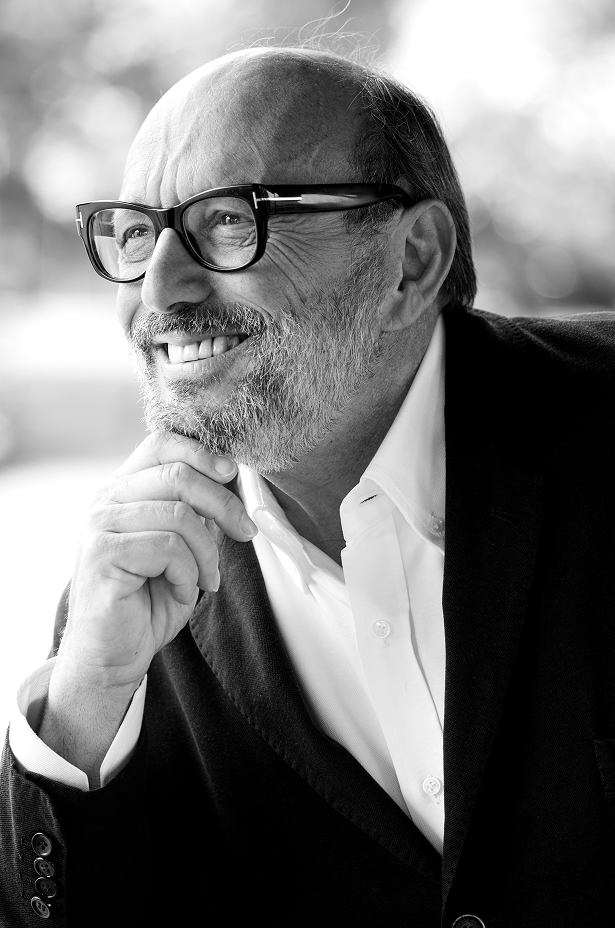
MAURIZIO ZANELLA, Founder and Chairman
Photography by TOM HYLAND
Maurizio Zanella
Franciacorta
Salone del Mobile
art patronage
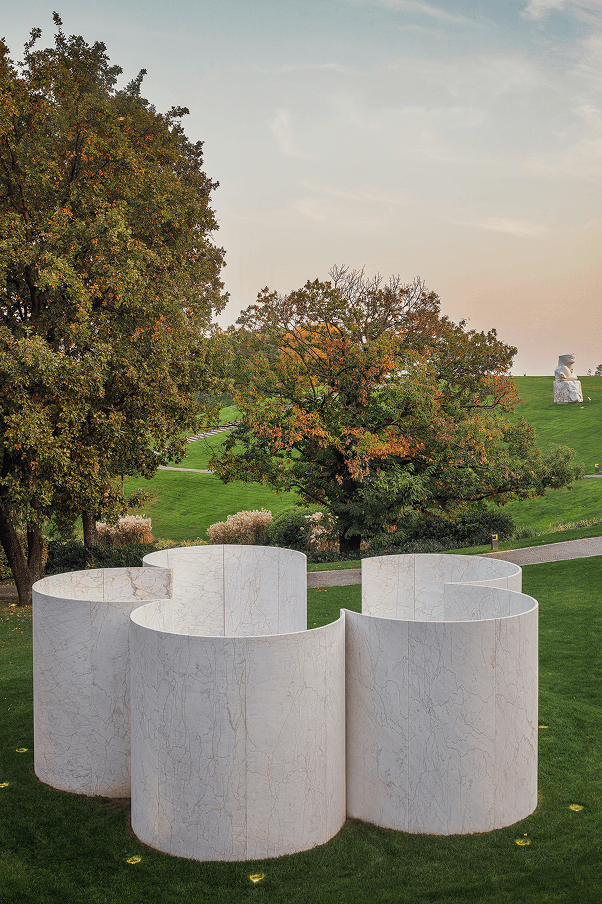
TSUYOSHI TANE
Sound of Marble
Photography by DAVIDE GALLI, courtesy of CA’ DEL BOSCO
Maurizio Zanella
Franciacorta
Salone del Mobile
art patronage
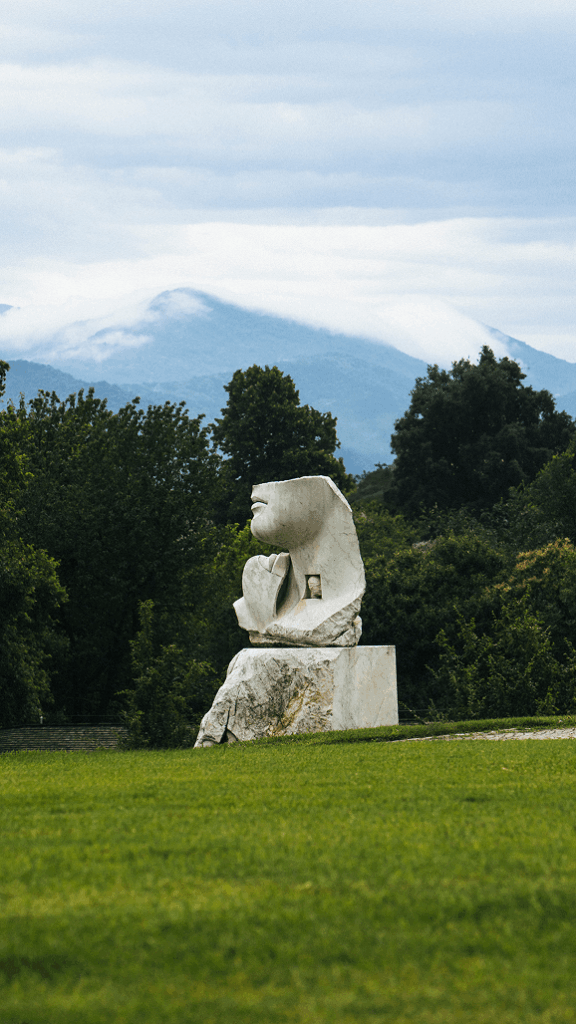
IGOR MITORAJ
Eroi di Luce
Photography by MARCO D’AMICO, courtesy of CA’ DEL BOSCO
Maurizio Zanella
Franciacorta
Salone del Mobile
art patronage
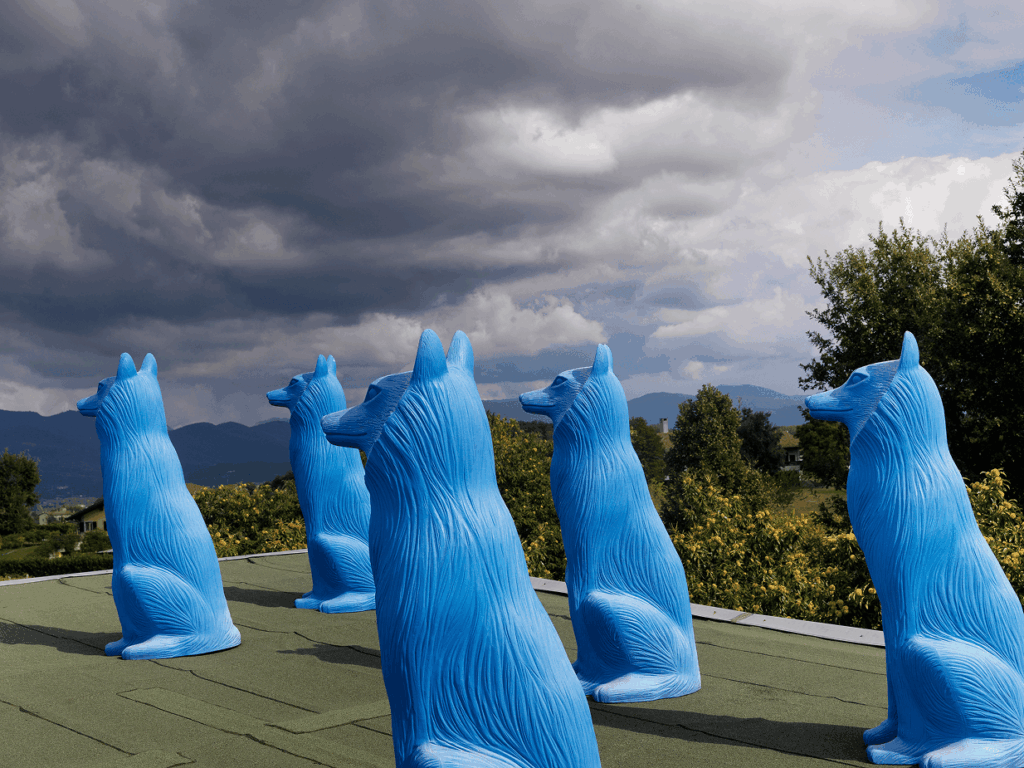
CRACKING ART
Blue Guardians
Photography by MASSIMO LISTRI, courtesy of CA’ DEL BOSCO
Maurizio Zanella
Franciacorta
Salone del Mobile
art patronage
Grape Spa
Photography by MARCO D’AMICO, courtesy of CA’ DEL BOSCO
Maurizio Zanella
Franciacorta
Salone del Mobile
art patronage
Harvest
Photography by MARCO D’AMICO, courtesy of CA’ DEL BOSCO
Maurizio Zanella
Franciacorta
Salone del Mobile
art patronage
Grape Spa
Photography by MARCO D’AMICO, courtesy of CA’ DEL BOSCO
Maurizio Zanella
Franciacorta
Salone del Mobile
art patronage
STEFANO BOMBARDIERI
Il peso del tempo sospeso
Photography by MASSIMO LISTRI, courtesy of CA’ DEL BOSCO
Maurizio Zanella
Franciacorta
Salone del Mobile
art patronage
MIMMO PALADINO
Il Testimone
Photography by MARCO D’AMICO, courtesy of CA’ DEL BOSCO
Maurizio Zanella
Franciacorta
Salone del Mobile
art patronage
Maurizio Zanella
Franciacorta
Salone del Mobile
art patronage
Cuvée Prestige Immersion
Photography by MATTIA AQUILA, courtesy of CA’ DEL BOSCO

h: You’ve partnered with many art events and cultural initiatives. What draws Ca’ del Bosco to these collaborations, and how do they enrich the winery’s identity beyond the world of wine?

MZ: We’re really drawn to these collaborations because we think wine is about more than just drinking—it’s a whole way of life. Since the 80s, art has been a big part of what we do at Ca’ del Bosco, because it helps us connect with people who understand that wine is about more than just taste. It’s about the culture and history behind it. These projects help us turn our winery into a story, not just a factory. They show that wine is not just something you buy and sell, but a reflection of the people who make it and the values they care about. By combining wine and art, we’re able to share our vision with others and create something truly special. This approach has allowed us to build a community around our winery, one that appreciates the beauty and craftsmanship that goes into every bottle. For us, wine is a way to express our passion and creativity, and to share it with the world.

h: You have been an official partner of Salone del Mobile for several years. What makes this collaboration particularly meaningful for you, and how does it reflect your vision of design, craftsmanship, and living well?

MZ: Working with a renowned institution like Salone del Mobile is really significant to us, as it aligns perfectly with what we stand for: skilled craftsmanship, advanced technology, and savoring life’s pleasures. Our entire estate reflects this blend of values. Take our new cellar, for example—it was carefully designed to complement the rolling hills, with a wavy shape that echoes the vineyard’s slopes, creating a sense of harmony with nature. This approach to design puts the natural world first. To us, living well means appreciating the meticulous care and attention that goes into creating something, whether it’s a beautifully crafted piece of furniture or a bottle of fine Franciacorta wine that’s been aged to perfection in the quiet, dark surroundings of an underground stone cellar. It’s all about recognizing the value of artisanal craftsmanship and the joy it brings to our daily lives.

h: What tendencies or emerging directions at recent editions of Salone del Mobile have most captured your attention—perhaps in how designers are rethinking materials, sustainability, or the relationship between objects and their environment?

MZ: These days, the design trends that really catch our eye are the ones that look to the past to shape the future, like what architect Tsuyoshi Tane calls the “archaeology of the future”—it’s all about using memories of a place to guide the creation of new things, and that means working with natural materials in a way that feels real and tangible. We’re seeing a shift away from synthetic things and towards a deeper connection with the environment and the materials that come from it. This feels really familiar to us, because that’s exactly what we’re doing in our vineyards. We’ve got over 280 hectares of land that we’re cultivating using certified organic methods, which means we’re working hard to protect the tiny living things in the soil and preserve the biodiversity of the whole ecosystem. And when we built our cellars, we designed them to blend in with the surrounding trees, so they’re the same color as the tree bark in the winter. We’re always on the lookout for design trends that prioritize the health of the planet, because that’s something that’s really important to us—we think it’s a key part of what makes a piece of design truly great.

h: In 2023, you established the Ca’ del Bosco Sculpture Award, the first Italian competition dedicated to large outdoor sculptures by artists under 40. What inspired this initiative, and what role does supporting emerging talent play in your broader philosophy of cultural patronage?

MZ: The idea for the Ca’ del Bosco Sculpture Award was born in 2023, out of a partnership with the Venetian Heritage foundation. This award is a way for us to show our commitment to art by supporting new and exciting artists. We believe it’s essential to help emerging talent, especially those under 40, as they begin their journey. I know how hard it can be to start from scratch—I was just 18 when I built our first cellar, eleven metres underground, driven by a vision and determination. Now, we want to inspire the next generation of artists to push the boundaries of their creativity. The award also has a focus on environmental sustainability, because we think it’s crucial that art and the protection of our planet go hand in hand. By making this a key part of the award, we hope to ensure that the future of art is one that respects and defends our world.

h: At Ca’ del Bosco, you place great importance on human relationships. What role does the human element play in your work, and what does this holistic approach look like in everyday practice at the estate?

MZ: Our approach is built around what we call the “4 Es”: enology, ethics, ecology, and education. For us, growing vines is not just about the process, it’s also about the people involved. We believe that cultivating strong relationships with our team members is just as important as cultivating our vines. This philosophy is reflected in the way we work every day, where traditional techniques meet modern technology. We use advanced tools like our oxygen-free disgorgement lines and gravity-fed systems, but we also know that the personal touch is what makes our wine special. From the careful pruning of shoots and thinning of grape bunches by hand, to the meticulous sorting of each grape at our Berry Spa washing line, every step of the way is a combination of individual attention and teamwork. Our wine is a testament to what can be achieved when people work together towards a common goal, and when tradition and innovation come together in harmony.

h: One of your projects, 11 Photographers 1 Wine, exhibited at the Triennale di Milano, featured renowned photographers’ different interpretations of the same wine. How do you believe the perception of an artist—or a viewer—shapes the meaning of an object?

MZ: When we asked eleven of the world’s top photographers to capture the essence of Ca’ del Bosco, we gave them complete creative freedom. The outcome was an incredible exhibition at the Milan Triennale back in 2004, which showed that even a single object can have many different meanings, and that its interpretation is not set in stone. This experiment proved that perspective and imagination can lead to a wide range of unique and fascinating views, and that sometimes the most interesting things in life are the ones that are open to interpretation. An artist’s eye can uncover secret meanings and truths in everyday things. One photographer might zoom in on the patterns of a vineyard, while another captures the dirt on a farmer’s boot, and another focuses on the faces of the people working in the fields. A sculptor once said something that really stuck with me—that the most important part of a piece of art is the part you can’t see. What the person looking at the art thinks and feels is what really brings it to life, turning something ordinary like a bottle of wine or a piece of stone into a powerful reminder of a moment or emotion.

Maurizio Zanella
Franciacorta
Salone del Mobile
art patronage
BRUNO ROMEDA
Elogio dell ombra
Photography by MASSIMO LISTRI, courtesy of CA’ DEL BOSCO
Maurizio Zanella
Franciacorta
Salone del Mobile
art patronage
Cancello Solare
Photography by ARNALDO POMODORO
Maurizio Zanella
Franciacorta
Salone del Mobile
art patronage
ZHENG LU
Water in dripping
Photography by MASSIMO LISTRI, courtesy of CA’ DEL BOSCO
Maurizio Zanella
Franciacorta
Salone del Mobile
art patronage
ZHENG LU
Water in dripping
Photography by MASSIMO LISTRI, courtesy of CA’ DEL BOSCO
Maurizio Zanella
Franciacorta
Salone del Mobile
art patronage
Courtesy of CA’ DEL BOSCO
Maurizio Zanella
Franciacorta
Salone del Mobile
art patronage
Senses Dome
Photography by MATTIA AQUILA, courtesy of CA’ DEL BOSCO
Maurizio Zanella
Franciacorta
Salone del Mobile
art patronage
Cellar
Photography by SANDRO MICHAHELLES, courtesy of CA’ DEL BOSCO

h: You often speak about the passion for detail and the defense of beauty. In an era of fast consumption, how do you cultivate an appreciation for slowness, craftsmanship, and enduring aesthetic value?

MZ: In a world where everything moves so fast, we’re taking a different approach. We believe that to create something truly special, you need to slow down and give it the time it deserves. That’s why our Franciacorta wines are aged for much longer than they need to be—we’re talking years, not months. We let them sit in the quiet, dark cellars, waiting for the perfect moment to bring them out. It’s not about rushing to get things done, it’s about taking the time to get them just right. We use the best natural corks, checked over carefully to make sure they’re perfect, and we handle our wine gently, using gravity to move it instead of machines that can disrupt its delicate texture. We’re showing our community that the things that really matter in life take time, effort, and dedication every single day. By doing things the slow way, we’re creating wines that are not just delicious, but also truly elegant and long-lasting.

h: In a world that often prioritizes speed and quantity, where do you find that true beauty and depth still reveal themselves most powerfully?

MZ: True beauty and depth reveal themselves most powerfully in the small, quiet, and unhurried details of nature and human labor. You find it when you observe an environment where wild plants are allowed to grow spontaneously alongside rows of vines to enrich the soil naturally. You find it in the absolute purity of a wine produced with minimal external intervention where healthy grapes are washed so cleanly that the use of sulfites can be reduced to a fraction of what European law allows. Depth reveals itself in places that prioritize harmony over loudness, and quality over sheer speed.

h: Can you share a moment or an encounter with a work of art that reminded you why the slow, attentive gaze remains one of the most precious human abilities?

MZ: As you step into our estate, you’re immediately greeted by Arnaldo Pomodoro’s stunning Cancello Solare, a masterpiece that took seven years to complete after its commission in 1985. This enormous circular structure, measuring five meters in diameter, is divided into two heavy semicircles that seem to stretch out like a giant sun, its arrow-like rays pointing outward. When you take a moment to really look at it, to slow down your gaze, you start to appreciate the beauty and craftsmanship that went into creating it. It’s a bit like watching the sun slowly warm and illuminate the hills, ripening the grapes for a single vintage—it takes time, patience, and dedication. Looking at that gate, you can’t help but think that both great art and great wine are hidden in their raw materials, waiting to be coaxed out by years of careful, creative work. The gate is a reminder that some things are worth taking the time to appreciate, to really see and understand. Just as a great wine needs time to mature, a great sculpture like Cancello Solare needs time to be fully appreciated, its beauty and meaning unfolding slowly as you take the time to really look at it.

h: What future do you hope humanity will choose for beauty and creativity?

MZ: I hope humanity chooses a future rooted in environmental consciousness and ethical balance, one where the drive for innovation never comes at the expense of our land. We must choose a future that rejects the dematerialization of the world and returns to things that stimulate our physical senses and celebrate biodiversity. Creativity should be used as a powerful tool to protect beauty, to listen to the complexity of nature, and to enhance human knowledge. Ultimately, we should strive for a world that embraces the Dionysian joy of creation while maintaining a profound respect for the heritage of the earth we leave behind for future generations.

Maurizio Zanella
Franciacorta
Salone del Mobile
art patronage
MAURIZIO ZANELLA, Founder and Chairman
Photography by GIUSEPPE LA SPADA, courtesy of CA’ DEL BOSCO

ISSUE 8

issue no8

Discover the new issue — available now