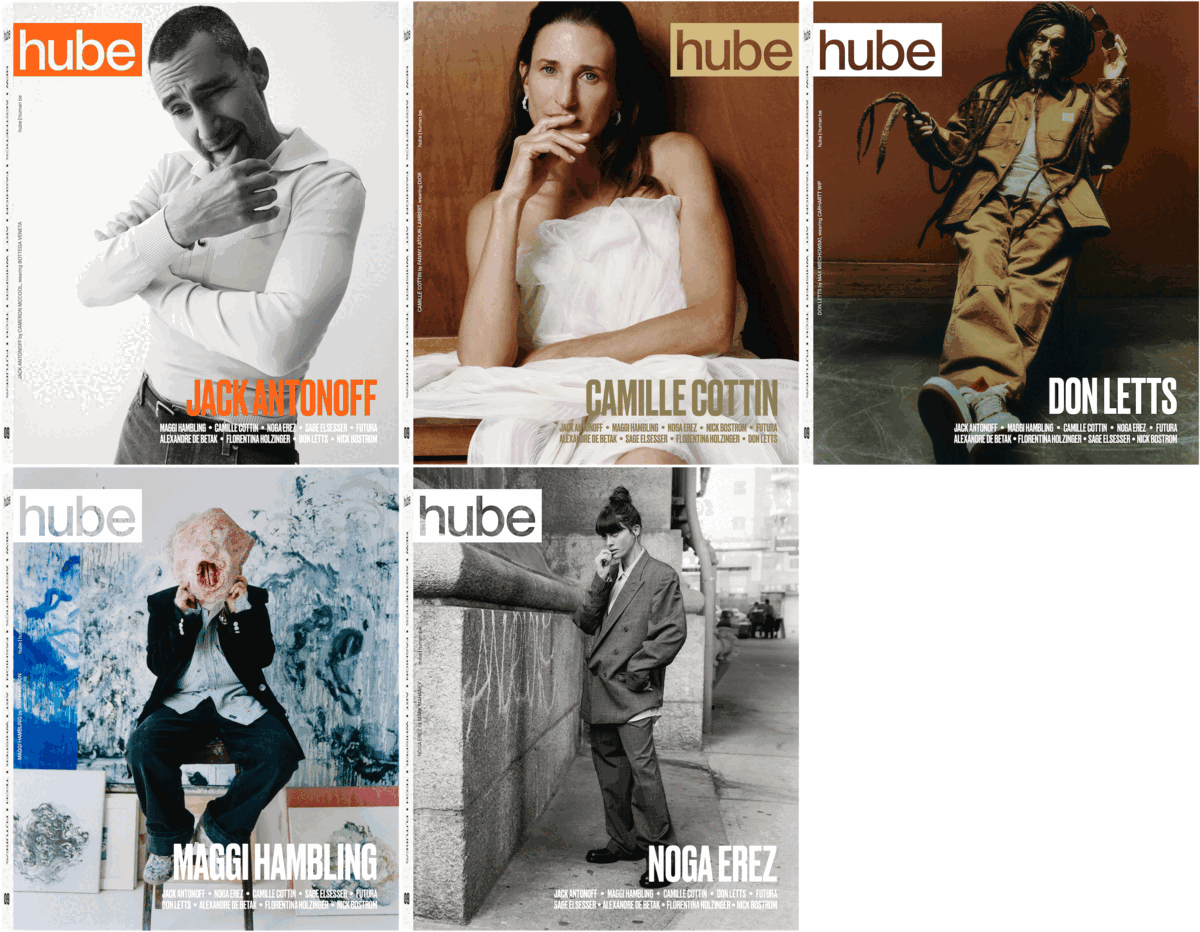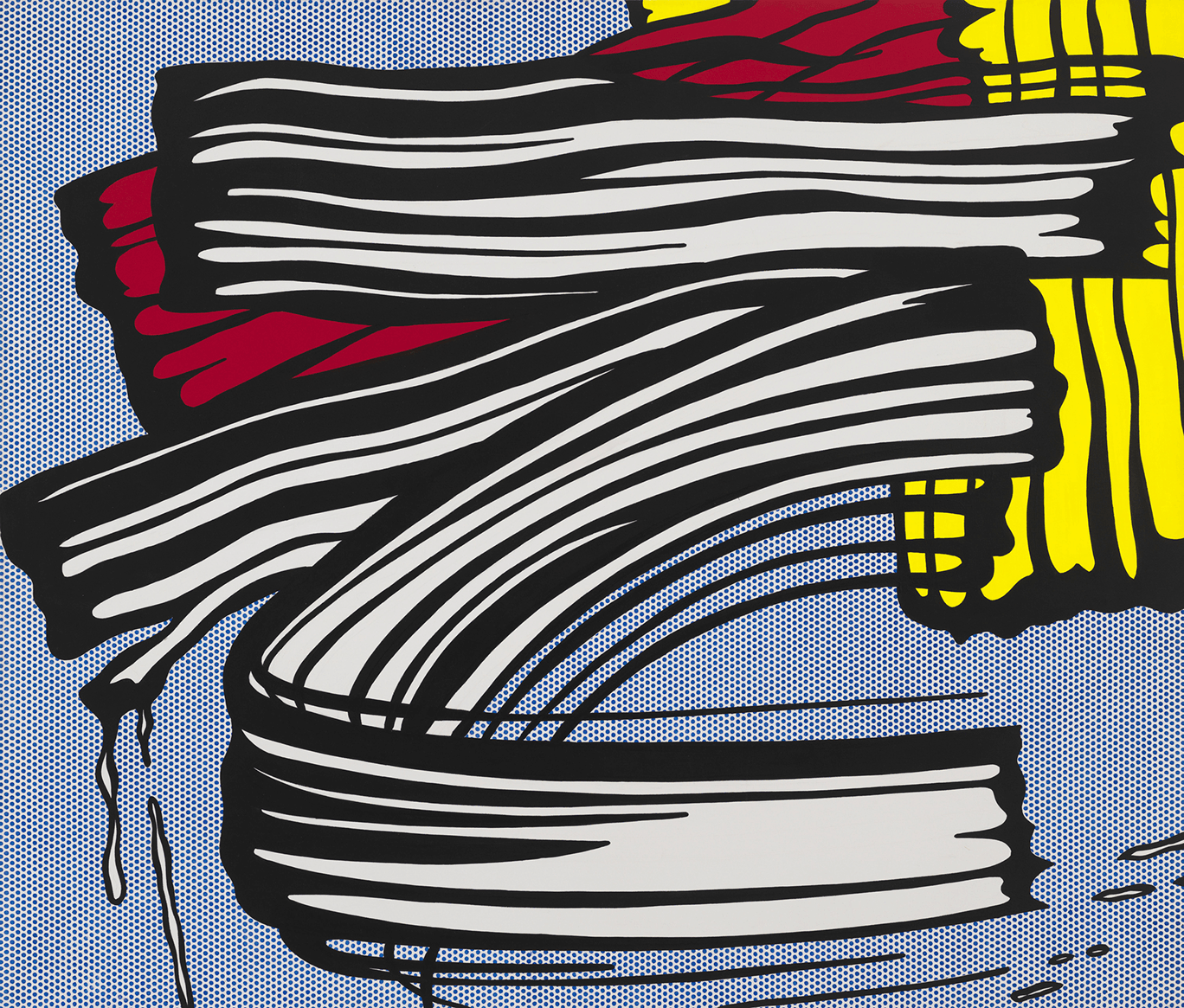
Long before images could be endlessly cropped, filtered, copied and recirculated with a swipe, Roy Lichtenstein understood that pictures were never truly fixed. By taking the visual language of comics, advertising, consumer goods and commercial printing into the realm of fine art, he changed not only the appearance of Pop but also the way we understand images themselves. Roy Lichtenstein: Like New revisits that radical idea, examining the artist’s enduring legacy through a contemporary lens of duplication, perception and image culture.
Opening October 11th, 2026, at the Whitney Museum of American Art in New York, the exhibition brings together roughly 130 works spanning the early 1940s through the 1990s. It is the first major New York retrospective of Lichtenstein’s work at the Whitney in decades, offering an expansive view of a practice that continually questioned where an image comes from, how it acquires meaning and what happens when it is copied, enlarged or placed in a new context.
When a mass-media image became a work of art
Lichtenstein’s breakthrough in the early 1960s was deceptively simple. He borrowed imagery from comic books and newspapers, refined and enlarged it, then translated it onto canvas using the bold outlines, flat colours and Ben-Day dots associated with commercial printing.
The result appeared almost mechanical: cool, crisp and impersonal, yet painstakingly handmade. That tension became one of the defining characteristics of his practice. What looked like a reproduction was, in fact, a carefully constructed image that exposed the mechanisms behind visual communication.
Like New follows this fascination across painting, drawing, collage, prints, sculpture and film. Rather than treating Lichtenstein’s familiar imagery as static Pop icons, the exhibition considers them as unstable forms—images capable of being borrowed, translated, reframed and made to signify something different with every iteration.
Eight works, one pivotal moment
One of the exhibition’s most significant highlights is the first reunion of all eight works from Lichtenstein’s landmark 1962 Pop debut at Leo Castelli Gallery. The exhibition reconstructs the intimate gallery environment in which they were originally shown, allowing visitors to encounter the group as audiences did at a decisive moment in American art.
Among the celebrated works on view are Look Mickey (1961), Girl with Ball (1961), Masterpiece (1962), Drowning Girl (1963), Happy Tears (1964), Little Big Painting (1965), Rouen Cathedral, Set III (1968–69) and Artist’s Studio “The Dance” (1974).
Placed across the arc of his career, these works reveal how Lichtenstein repeatedly returned to the question of recognition: how quickly we identify an image, what visual signals make it familiar and how those signals can be manipulated.
The artists who came after
Lichtenstein’s influence did not end with Pop Art. Louise Lawler, Richard Pettibone and Sturtevant are also represented in the exhibition, making their practices part of a broader examination of copying, appropriation, influence and the afterlife of images.
Their inclusion is particularly revealing: Lichtenstein was not simply an artist who borrowed existing pictures. His practice helped establish a more complicated understanding of what it means to reproduce an image—and where the boundary between source, copy and original might lie.
This is an important dimension of the Roy Lichtenstein legacy. His influence can be traced not only through artists who adopted his visual vocabulary, but through generations who questioned authorship, originality and the cultural value assigned to an image.
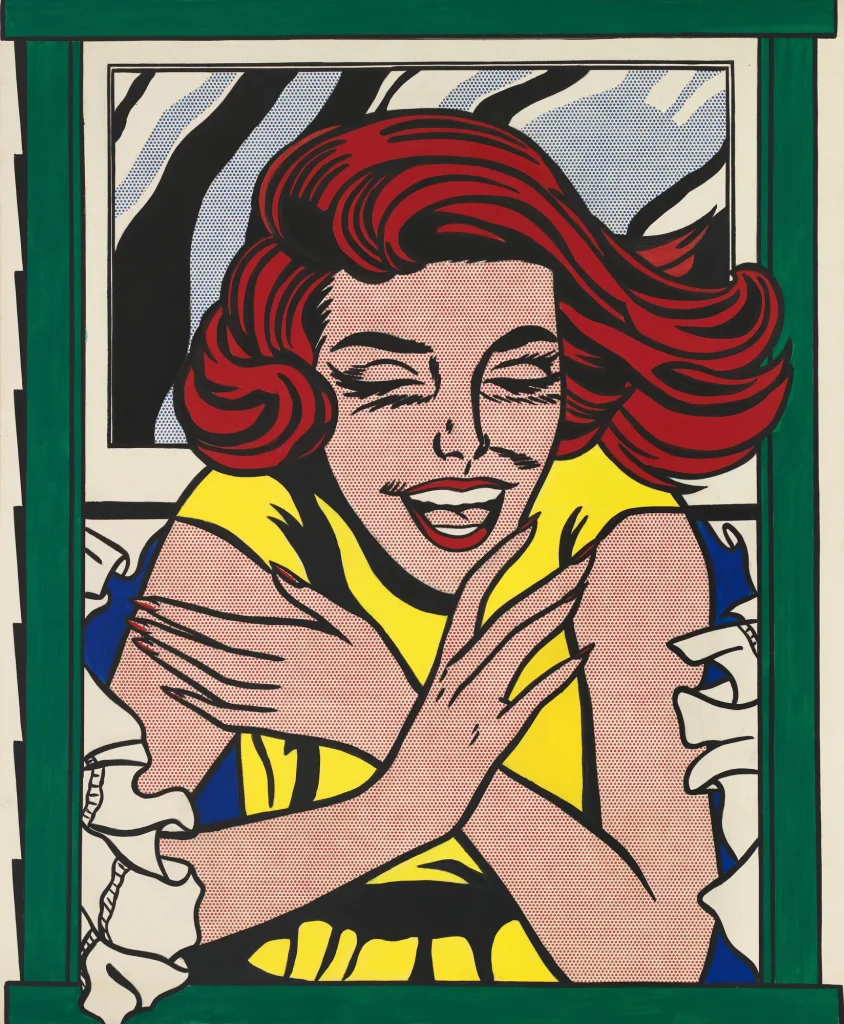
Girl in Window (Study for World’s Fair Mural), 1963. WHITNEY MUSEUM OF AMERICAN ART, New York; gift of THE AMERICAN CONTEMPORARY ART FOUNDATION, INC., LEONARD A. LAUDER, President 2002.254.
© ESTATE OF ROY LICHTENSTEIN/DACS 2026
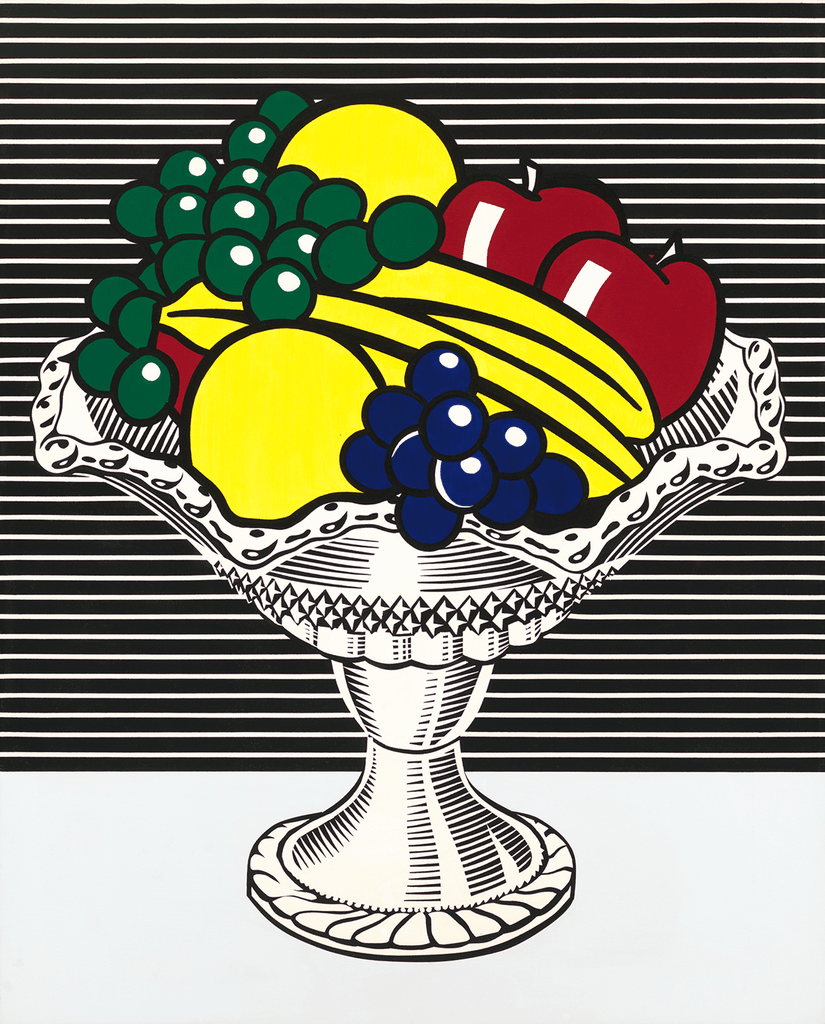
Still Life with Crystal Bowl, 1972. WHITNEY MUSEUM OF AMERICAN ART,
New York; purchase with funds from FRANCES and SYDNEY LEWIS 77.64.
© ESTATE OF ROY LICHTENSTEIN/DACS 2026