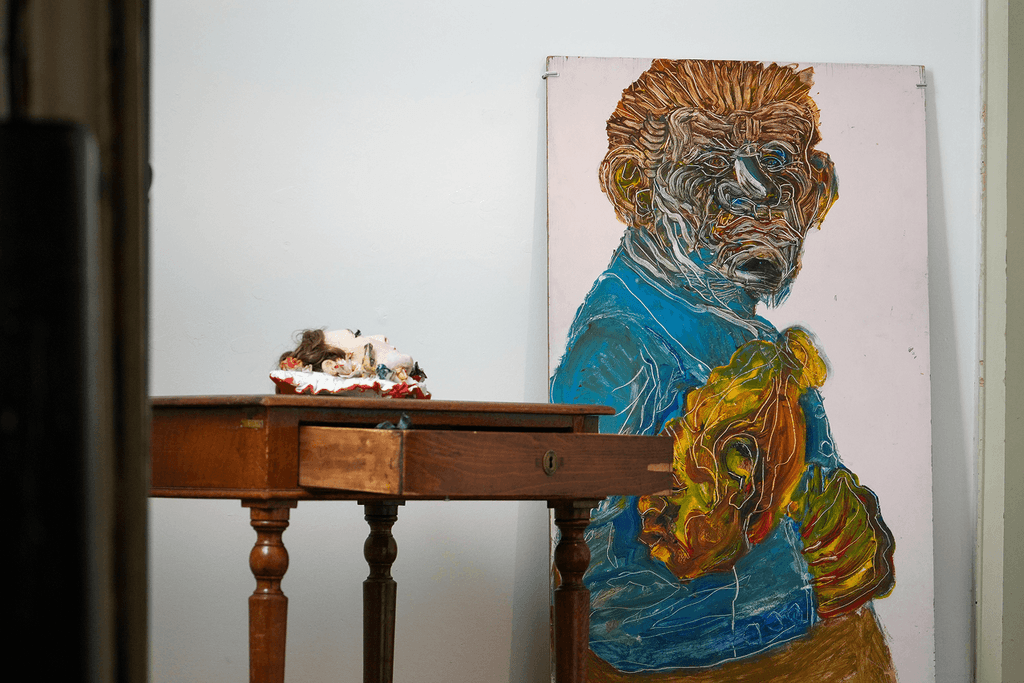
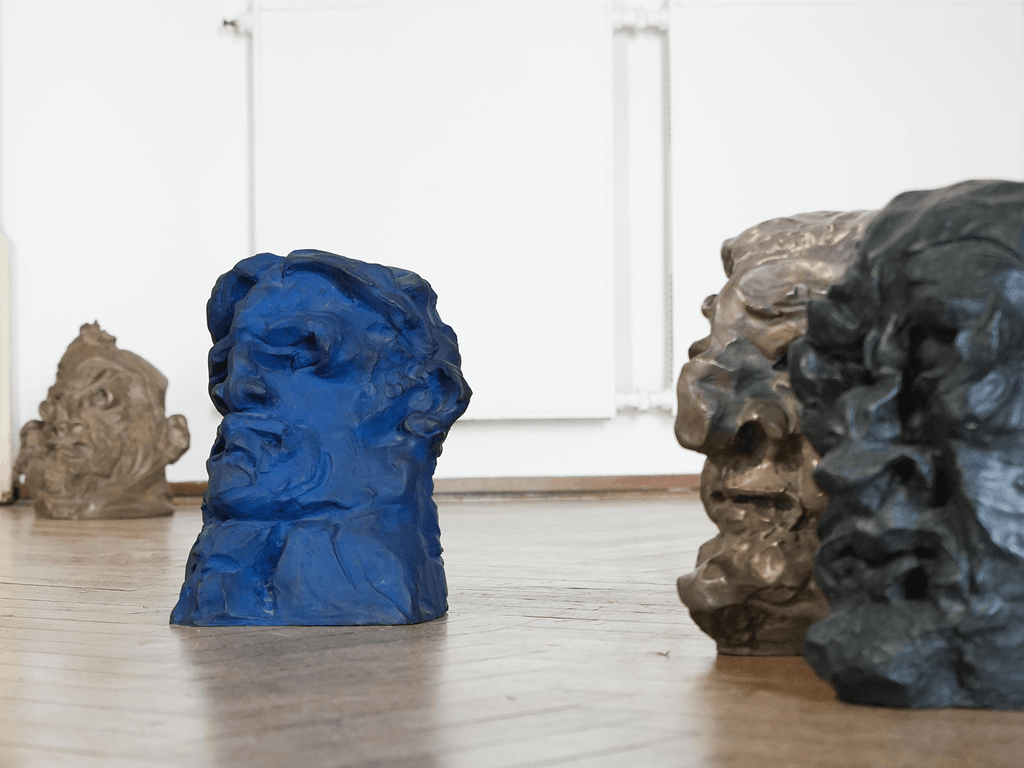
Henri Beaufour was a physical artist. You sense it before you understand it. His hands are everywhere; in clay that has been pressed, punched, pinched and worried into form; in surfaces scarred by fingers; in paint accumulated, dragged, scraped back and applied again. There is pressure in these works, but pressure of different kinds. At one moment aggressive, at another unexpectedly tender, Beaufour’s touch appears less concerned with mastering matter than discovering what it might withstand. The work is not simply made. It has been handled and hurt.
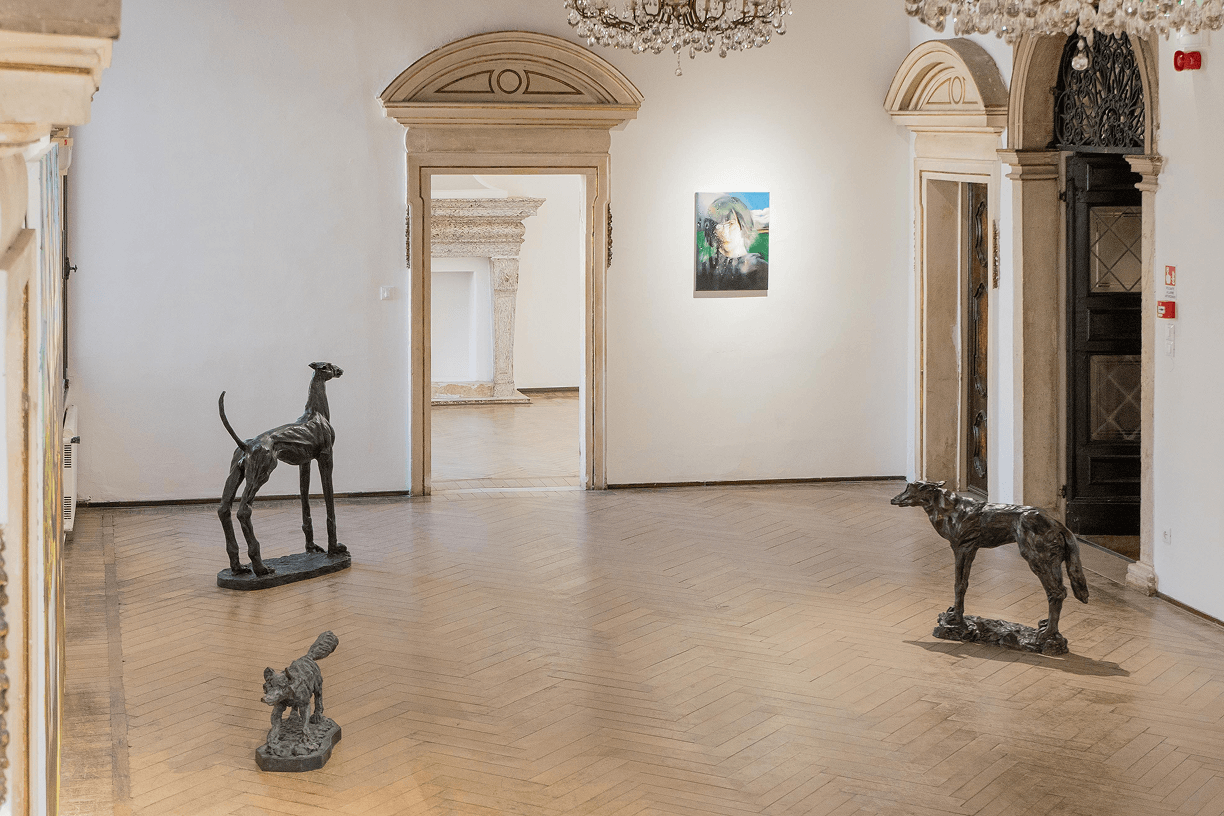
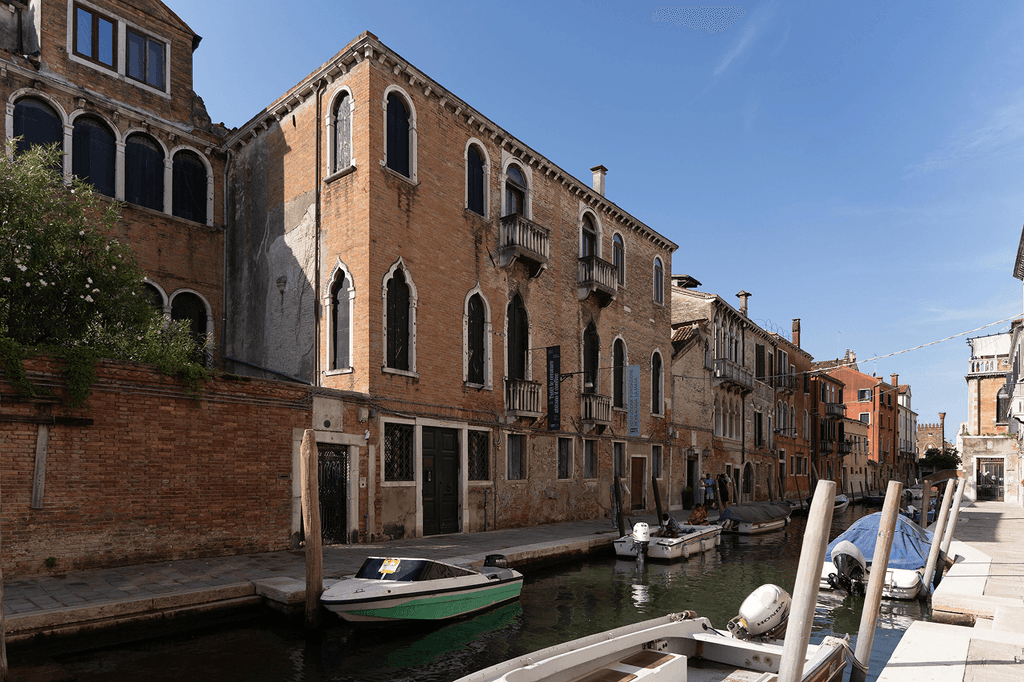
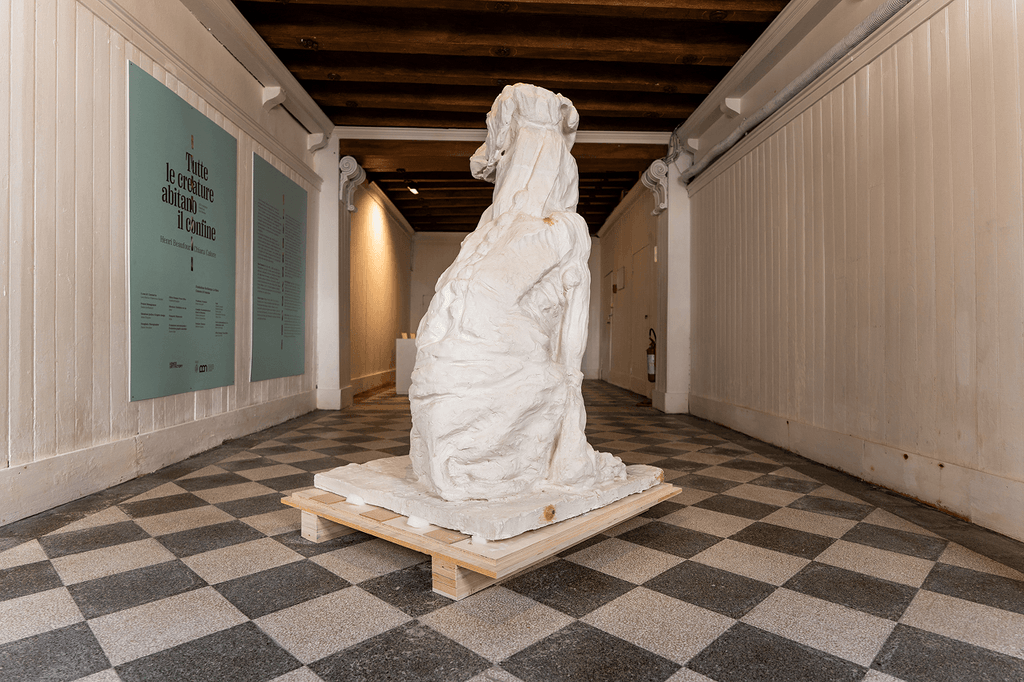
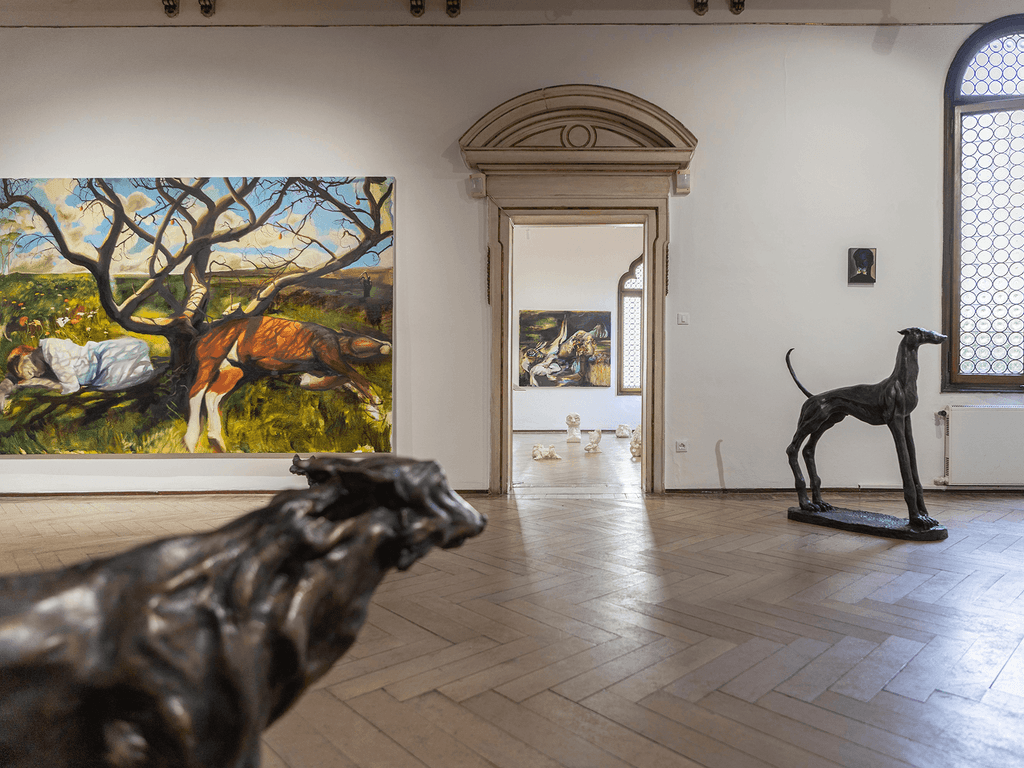
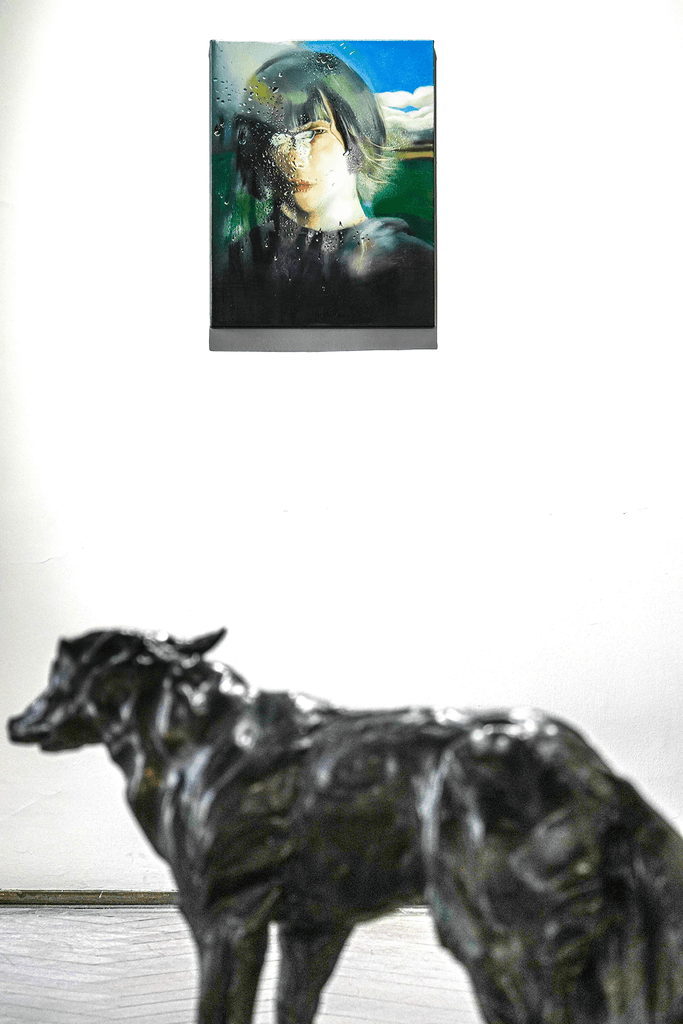
That physical presence was particularly acute in Tutte le creature abitano il confine (All Creatures Dwell on the Border), the exhibition bringing Beaufour into dialogue with the younger Italian painter Chiara Calore at Palazzetto Tito, Venice, in September 2026. Curated by Luca Berta and Francesca Giubilei, the exhibition had been conceived while Beaufour was still alive, only for his death in November 2025 to interrupt a conversation that was just beginning. What might have been an encounter between two living artists consequently became something more complicated; a dialogue between presence and absence, between what could still be said and what had already been left behind. Yet standing among Beaufour’s works, absence was not the overwhelming sensation. Quite the opposite. His sculptures are insistently bodily. They occupy space as creatures rather than objects, and their surfaces retain such evidence of having been touched that the physical presence of the artist appears almost inseparable from them. Beaufour may no longer be there, but the actions of his body remain.
The exhibition’s title already places us at a threshold. Beaufour’s world is populated by creatures that refuse the security of fixed identities. Human bodies acquire animal characteristics; animals appear unnervingly human; heads distort; anatomies swell or collapse; figures hover between the recognisable and the strange. Myth enters ordinary existence, and ordinary bodies begin to acquire something mythological. These are creatures that, as the exhibition suggests, inhabit the border. But the border in Beaufour is never simply a line separating one condition from another. It is where things become uncertain. Human and animal, violence and tenderness, beauty and ugliness, comedy and tragedy coexist rather than resolve themselves. His figures often seem to have been caught in the process of becoming something else. That process begins with the hand.
Curated by LUCA BERTA and FRANCESCA GIUBILEI
Photography by PAOLO FERRAINA
Curated by LUCA BERTA and FRANCESCA GIUBILEI
Photography by PAOLO FERRAINA
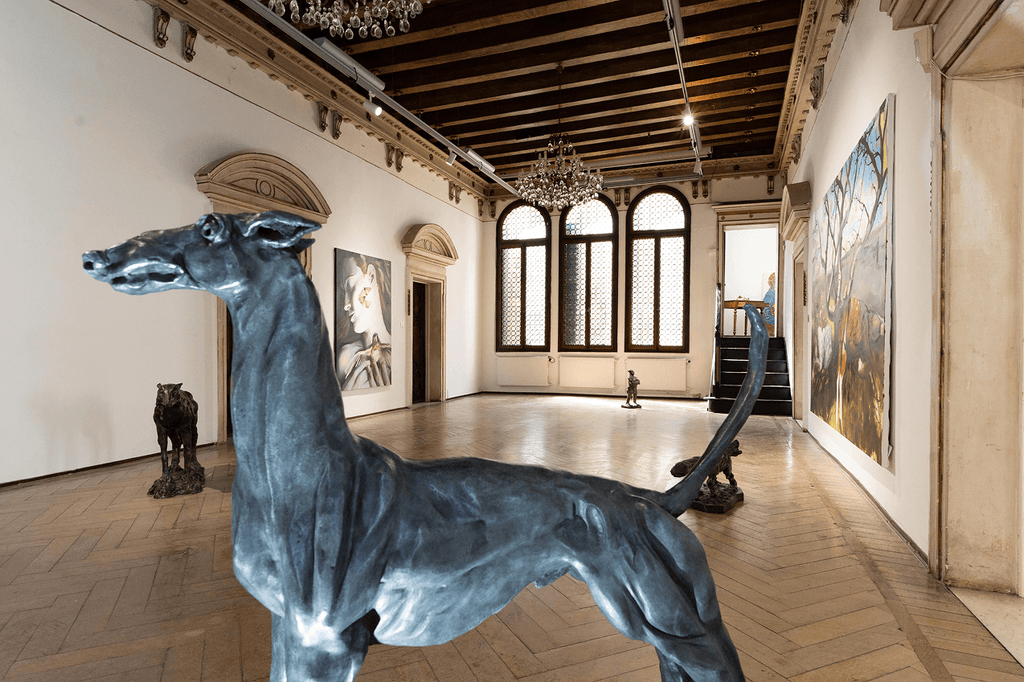
Curated by LUCA BERTA and FRANCESCA GIUBILEI
Photography by PAOLO FERRAINA
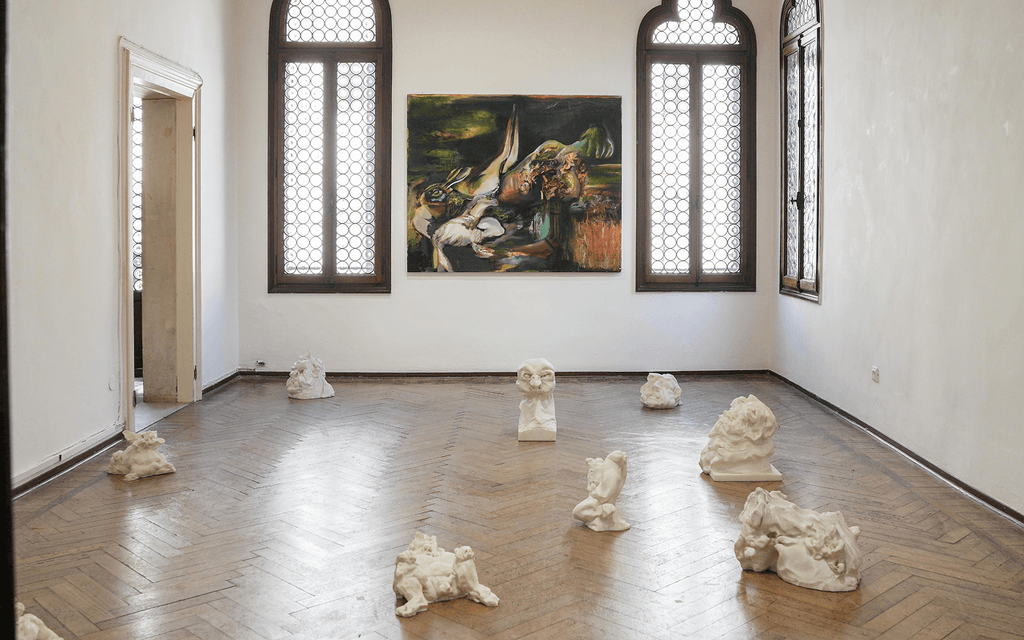
Curated by LUCA BERTA and FRANCESCA GIUBILEI
Photography by PAOLO FERRAINA
The French art historian Henri Focillon, writing in In Praise of Hands, described hands as “almost living beings.” The phrase feels unusually appropriate before Beaufour. For Focillon, the hand was never merely the obedient servant of an idea already formed in the mind. It possessed an intelligence of its own. Through touching, pressing, grasping and manipulating matter, it could discover what thought alone could not anticipate. Beaufour’s hands appear to think in precisely this way. One rarely has the sensation that his sculpture has simply been conceived and subsequently executed. Form seems to have been discovered through the resistance of material. Clay yields, but not entirely. A head is pushed into existence. A mouth emerges from an incision. An eye appears where pressure has created a hollow. The material accepts the artist’s intervention while retaining the evidence of what has happened to it.
This relationship isn’t gentle. There is aggression in Beaufour’s handling of matter, even anger. Forms appear squeezed, struck, distorted, at moments bullied into existence. Yet violence is too simple a word for what occurs. The same hand that attacks a surface can caress it. A thumb capable of deforming a head can give extraordinary vulnerability to an eye; a heavily worked surface can suddenly give way to something delicate, awkward or unexpectedly tender. Beaufour’s work occupies the narrow territory between these conditions. One might call it a form of soft aggression; tenderness and violence not as opposites, but as different degrees of pressure exerted by the same hand. And pressure matters because it gives us access not simply to Beaufour’s method but to Beaufour himself. There is another sense in which these creatures appear intensely physical. However far they depart from human likeness, they seem to contain something of the man who made them. This is not self-portraiture in its conventional sense. A horse, a fox, a distorted head or some indeterminate creature need not resemble Beaufour for us to recognise his presence within it. Indeed, resemblance may be the least interesting measure of a self-portrait.
What if an artist can reveal himself more completely through the pressure of a hand, the distortion of a body, the violence or tenderness with which he treats a surface, than through the faithful description of his own face? Seen in this way, almost everything Beaufour made begins to acquire the character of self-portraiture. His creatures become embodiments rather than likenesses. Something of his persona passes into them: his physicality, humour, aggression and sensitivity; his attraction to the awkward, the excessive and the vulnerable; his fascination with bodies that refuse to remain entirely one thing or another. Even where the subject appears remote from autobiography, the manner of its making returns us insistently to the artist. His hands are too present for him ever entirely to disappear.
An indentation in clay records the pressure of a finger, but it also records a decision: to press harder, to deform, to stop, to leave the evidence visible. A scraped passage of paint records an action but also a rejection of what was there before. The artwork becomes an accumulation of such decisions. Temperament enters matter. This is where Beaufour’s preoccupation with animals becomes especially revealing. Animals are everywhere in the history of human attempts to understand themselves. They precede philosophy in myth, religion and storytelling, appearing as gods, monsters, companions, sacrifices, adversaries and doubles. They embody characteristics humans recognise within themselves while simultaneously allowing those characteristics to be projected onto another species.
Myth makes that traffic particularly fluid. In Roman poet Ovid’s Metamorphoses, the human body is never secure in its identity. Actaeon becomes the stag destroyed by his own hounds; Lycaon becomes wolf; Io becomes heifer. Transformation does more than produce fantastical bodies. It exposes the precariousness of the categories through which human beings define themselves. Beaufour seems instinctively drawn to this territory. Myth in his work is not antiquarian. He does not illustrate it so much as inhabit its permission to transform. The animal allows the body to become excessive; myth allows one identity to pass into another. A creature can be comic and threatening, human and animal, ancient and contemporary, without having to settle into any single state.
The question is therefore not simply why Beaufour represented animals, but what the animal allowed him to represent. Art critic and novelist John Berger, in his seminal essay Why Look at Animals? writes that the animal scrutinises man across a “narrow abyss of non-comprehension.” The distance is crucial. An animal is sufficiently like us for recognition to occur, yet sufficiently unlike us to remain unknowable. Born, sentient, and mortal, it shares the conditions of existence while inhabiting them differently. We recognise something of ourselves and simultaneously encounter something we cannot possess. Beaufour’s animals inhabit precisely this charged proximity. They are neither zoological studies nor readily decipherable symbols. They stare, crouch, strain, expose themselves, withdraw. Some possess the awkwardness of creatures surprised by our presence; others appear entirely indifferent to it. And some seem less like animals represented by a human being than alternative bodies through which human states might be experienced. French philosopher Georges Bataille pushed this uncertainty further. In Theory of Religion, he imagined animal existence as being in the world “like water in water”; a provocative image of an existence not separated from its surroundings by the same structures through which human beings continually distinguish subject from object, self from other. Whatever the limitations of that philosophical construction, its image of immersion is compelling before Beaufour. His animals repeatedly disturb the confidence with which the human separates itself from what it calls animal. Instinct, appetite, fear, sexuality, aggression, and mortality pass too easily between species. And then the animal looks back.
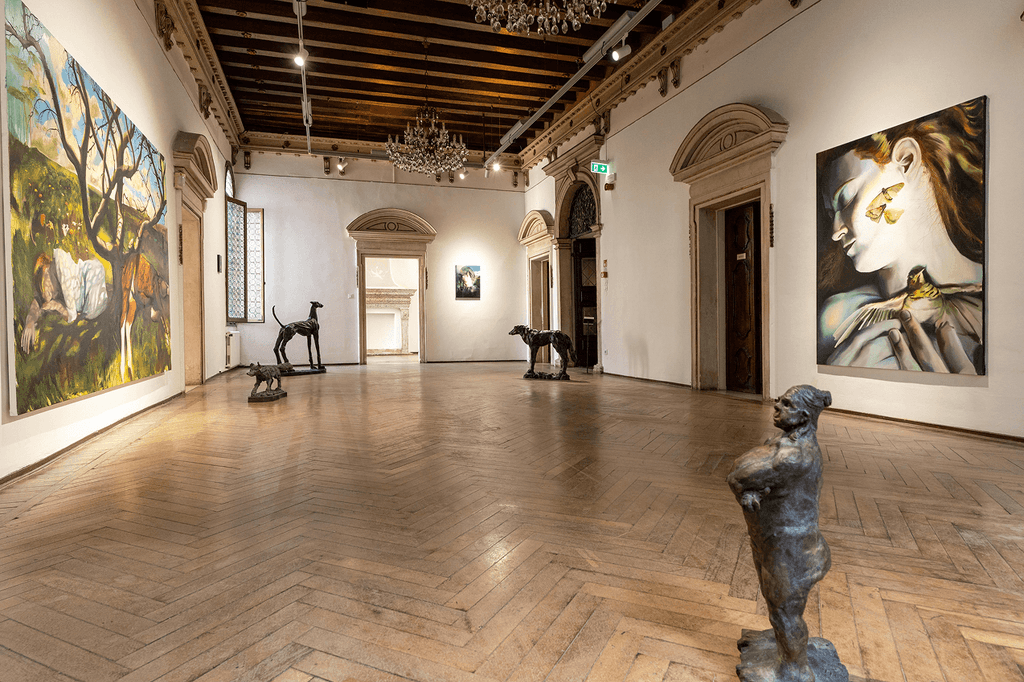
Curated by LUCA BERTA and FRANCESCA GIUBILEI
Photography by PAOLO FERRAINA
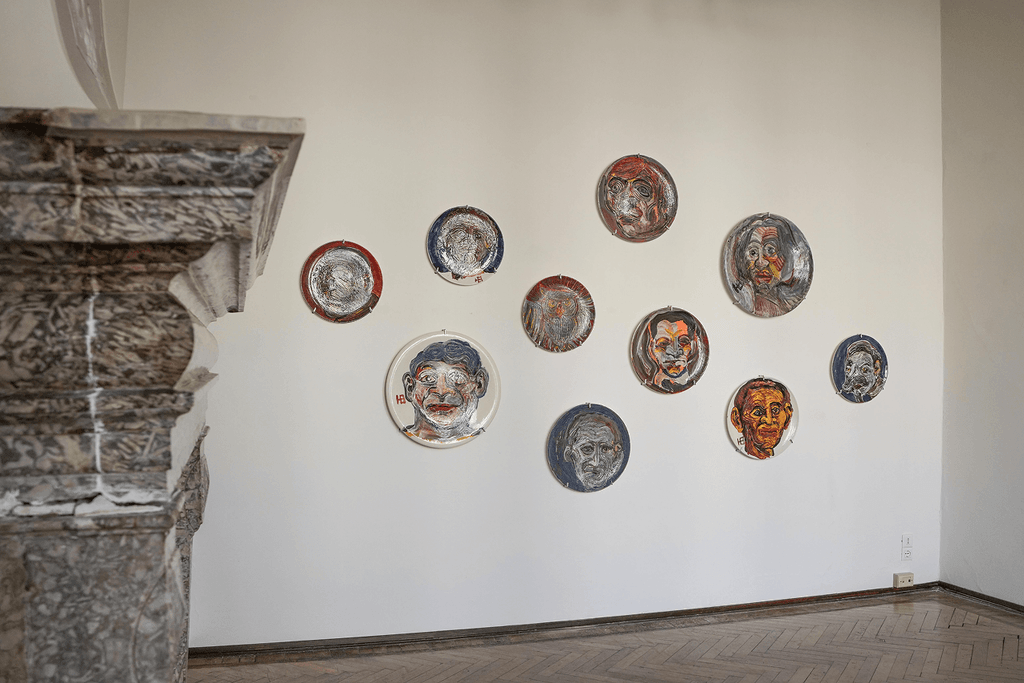
Curated by LUCA BERTA and FRANCESCA GIUBILEI
Photography by PAOLO FERRAINA
Curated by LUCA BERTA and FRANCESCA GIUBILEI
Photography by PAOLO FERRAINA
Curated by LUCA BERTA and FRANCESCA GIUBILEI
Photography by PAOLO FERRAINA
Curated by LUCA BERTA and FRANCESCA GIUBILEI
Photography by PAOLO FERRAINA
Curated by LUCA BERTA and FRANCESCA GIUBILEI
Photography by PAOLO FERRAINA
Bataille’s contemporary philosopher Jacques Derrida’s The Animal That Therefore I Am famously begins with an apparently trivial encounter. Naked, Derrida finds himself observed by his cat. The embarrassment matters because the philosopher suddenly experiences himself not as the sovereign human subject looking at an animal, but as a body being looked at by another living being. As Derrida puts it; “An animal looks at us, and we are naked before it.” Thinking, he suggests, might begin there. Something comparable happens before Beaufour’s creatures. We approach them expecting to look, only to discover that many appear capable of returning our attention. Their eyes are rarely neutral. They implicate us. The distinction between observer and observed becomes less secure, and with it the distinction between human and animal that allowed us to assume which of the two possessed the more meaningful gaze. But in Beaufour there is another reversal. The animal does not only look back at us. It leads us back towards the artist. The more one encounters these creatures, the more difficult it becomes to regard them as entirely separate from the man who produced them. They begin to resemble possible states of Beaufour himself, not because a particular animal should be decoded as a particular autobiographical episode, but because each offers another body through which the artist might exist. The aggressive creature, the frightened one, the grotesque head, the absurd figure and the mythological hybrid become different possibilities of the self. The “I” matters as much as the animal. This is where the notion of self-portraiture can be liberated from likeness. Traditionally, the self-portrait begins with the mirror. The artist looks at himself and translates the face, looking back. But there are other ways of leaving oneself in an image. A gesture can be autobiographical. A mark can preserve temperament. An object can carry the dimensions, energy, and pressure of the body responsible for making it. A fingerprint is not a metaphor. It is evidence. The artist touched this.
In Beaufour, the body survives everywhere as trace; in the reach of an arm, the turn of a wrist, the indentation of a finger, the force required to move material from one state towards another. The sculpture becomes not simply the image of a creature, but the record of an encounter between two bodies, the artist’s and the body coming into existence beneath his hands. His paintings perform a related act. Pigment possesses weight and resistance. Paint is deposited, moved, accumulated, and removed. The image appears to struggle with the substance from which it is being made. Beaufour does not conceal that struggle beneath an immaculate finish. He allows process to remain visible, so that we see not simply what has been made but something of the effort of making it. There is a generosity in leaving that evidence exposed. The artwork does not pretend to have arrived effortlessly in the world. It acknowledges labour, indecision, revision, frustration, and touch. It shows us its scars. This made the Venice exhibition unexpectedly moving. Its curatorial premise concerned creatures existing at thresholds—between human and animal, terrestrial and otherworldly, quotidian and mythological. Beaufour’s death introduced another boundary that could never have been intended when the conversation began: the border between the living body and the material traces it leaves behind.
Yet to describe the exhibition principally through death would diminish what was so forceful about his work. Beaufour’s sculptures did not appear elegiac. They remained obstinately physical. Weight, volume, colour, humour, aggression, and vulnerability persisted. Matter had outlived the hand that manipulated it, but continued to bear its pressure. Perhaps that is why the presence of self-portraiture within this world becomes so significant. By the time we encounter an actual image of Beaufour, likeness has almost become secondary. We have already encountered him elsewhere; in an animal’s stare, in the weight of a head, in a body pushed towards another species, in the violence of an incision and the tenderness of a thumbprint. The portrait merely gives a face to a presence that has occupied the work all along. There is something deeply affecting in that recognition, but it need not become sentimental. Beaufour’s work resists sentimentality precisely because it insists upon matter. Clay remains clay. Bronze retains weight. Paint remains substance. The body disappears; what the body did doesn’t. Perhaps this is ultimately the more revealing form of self-portraiture. Not an artist repeatedly telling us this is what I look like, but something more elemental. This is how I touched; this is what resisted me; this is how hard I pressed; this is what I made.
Berger’s animal looks across an abyss. Derrida’s looks back and makes the human conscious of himself. Beaufour goes somewhere still more physical. He closes the distance with his hands. Human and animal meet not because their difference has disappeared, but because matter gives them somewhere to meet. Man becomes creature; creature becomes image; image becomes object; object carries the hand of the man who made it. And somewhere within that restless passage from one body into another, Henri Beaufour remains. Not as likeness alone. As pressure, presence and touch. The animal he made was never entirely other.
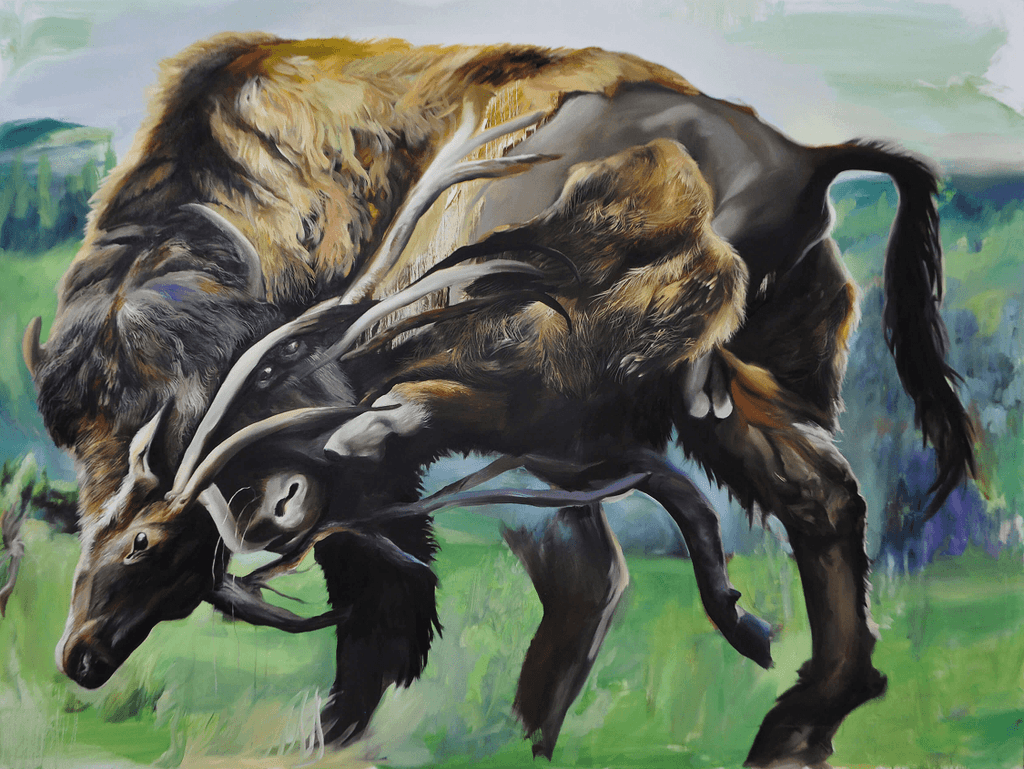
Catoblepa, 2026
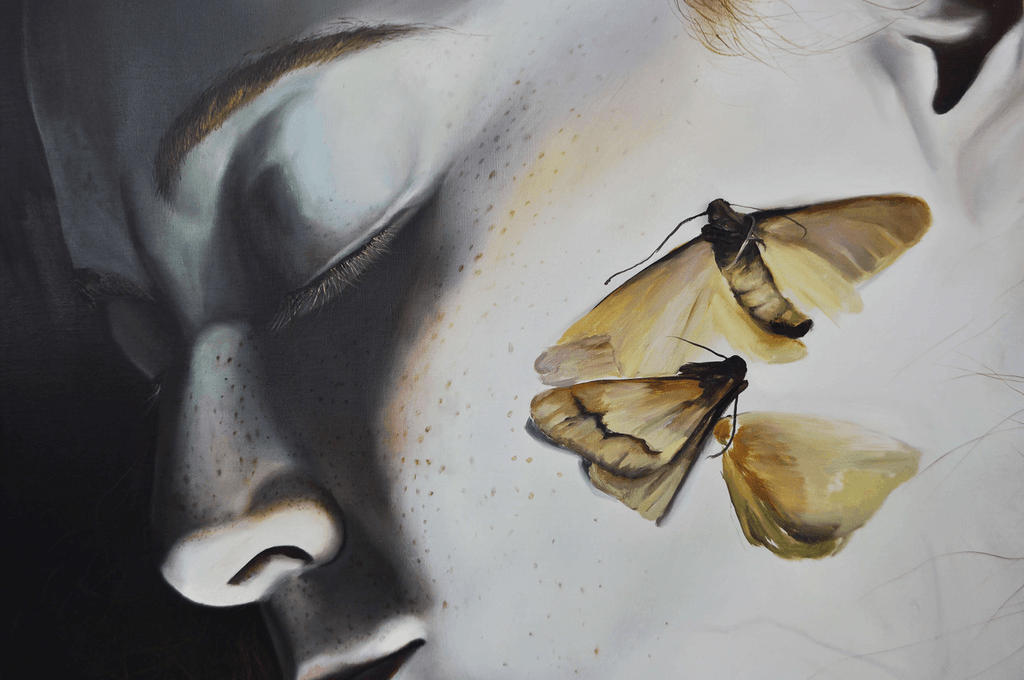
Il riposo. Olio su tela, 2026
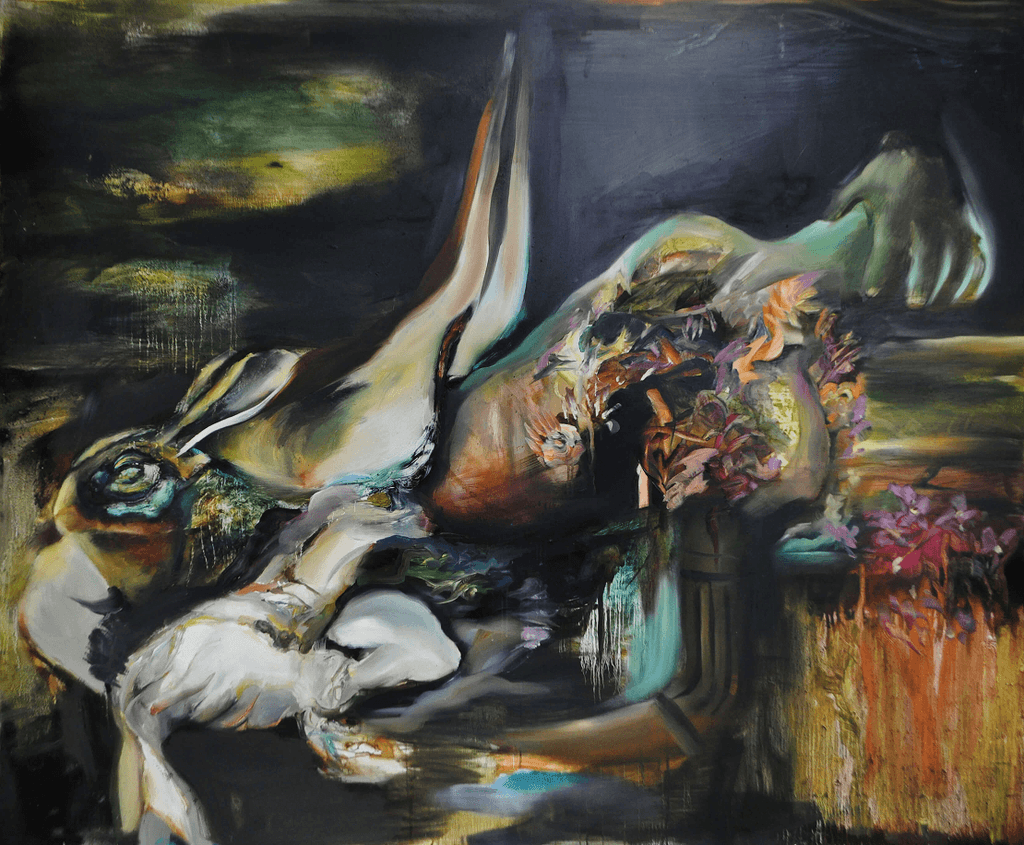
Dinosaur, 2026
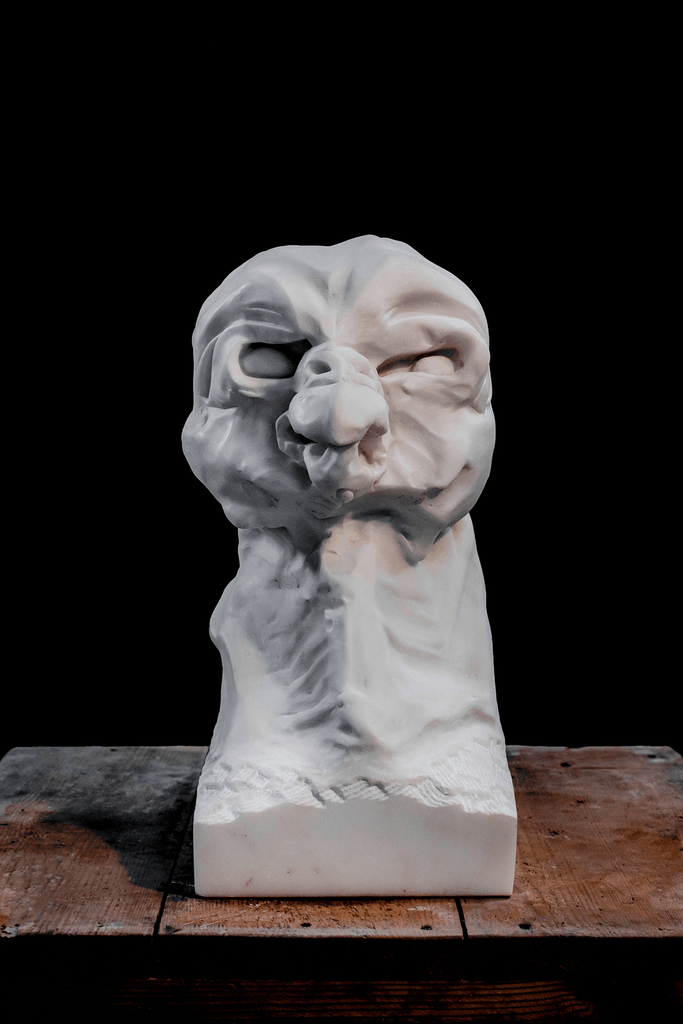
Angry Pigeon
Courtesy of AMEDEZAL
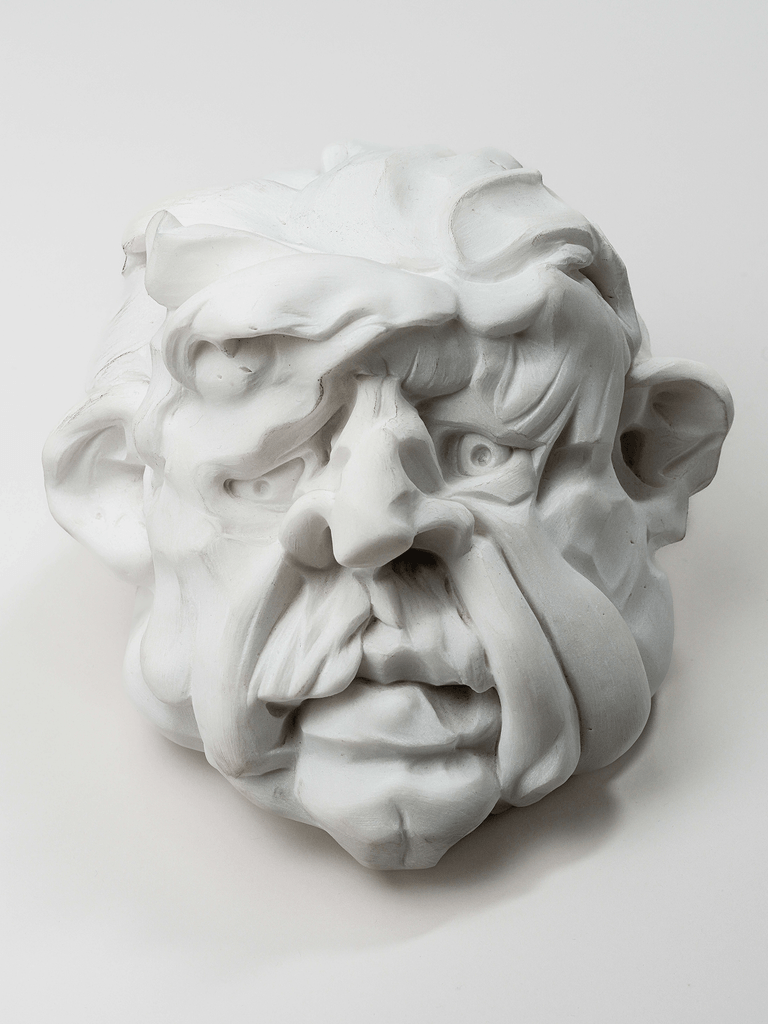
Mr. President of Colombia
Courtesy of NICOLAS ROBIN
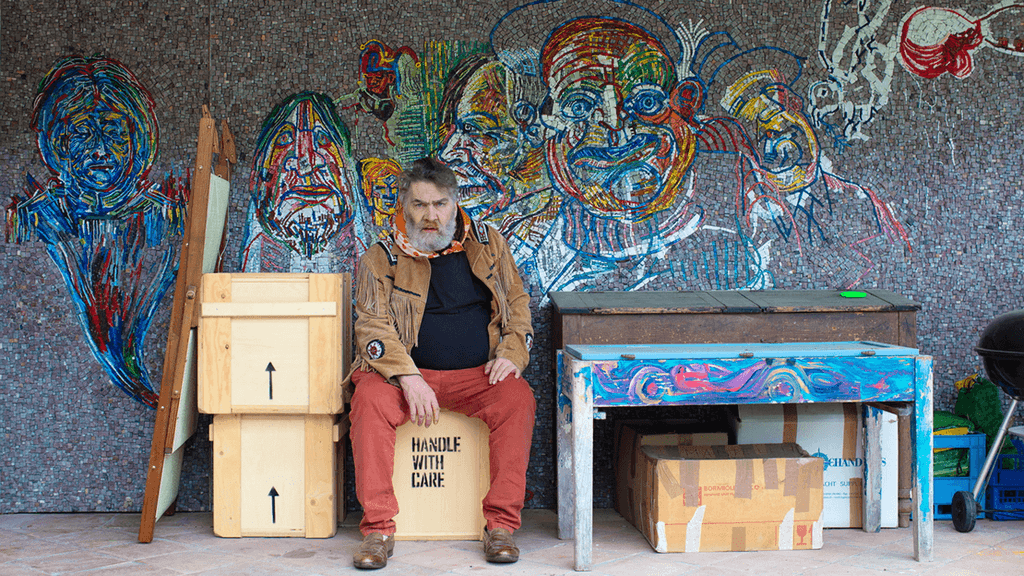
Photography by PAOLO FERRAINA
Words: RAJESH PUNJ