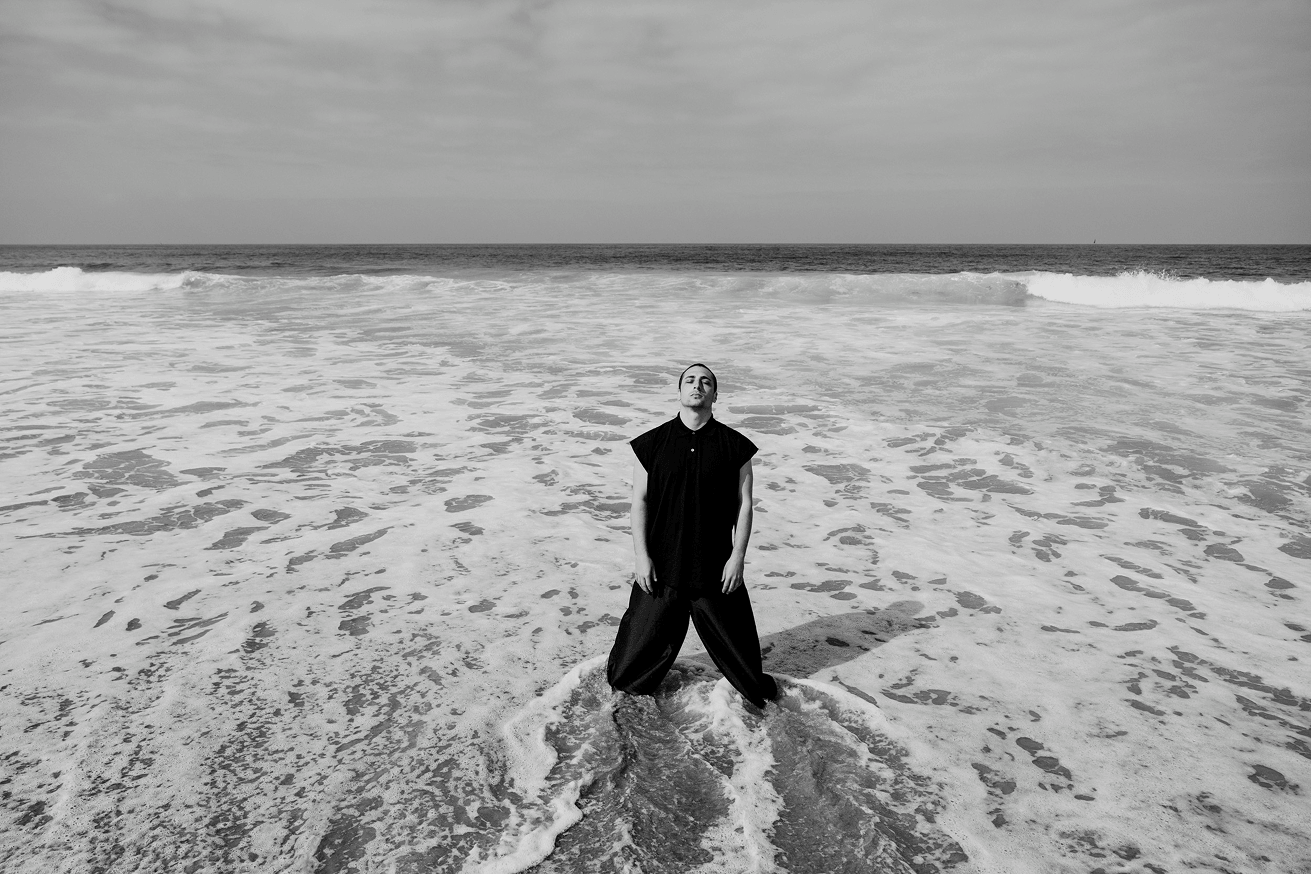
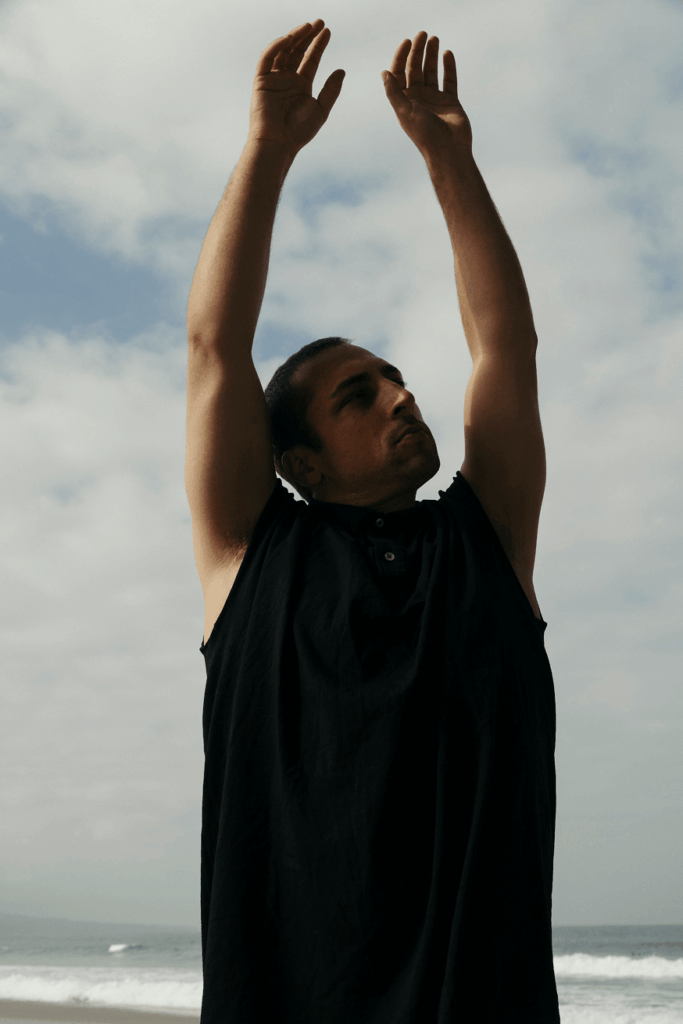
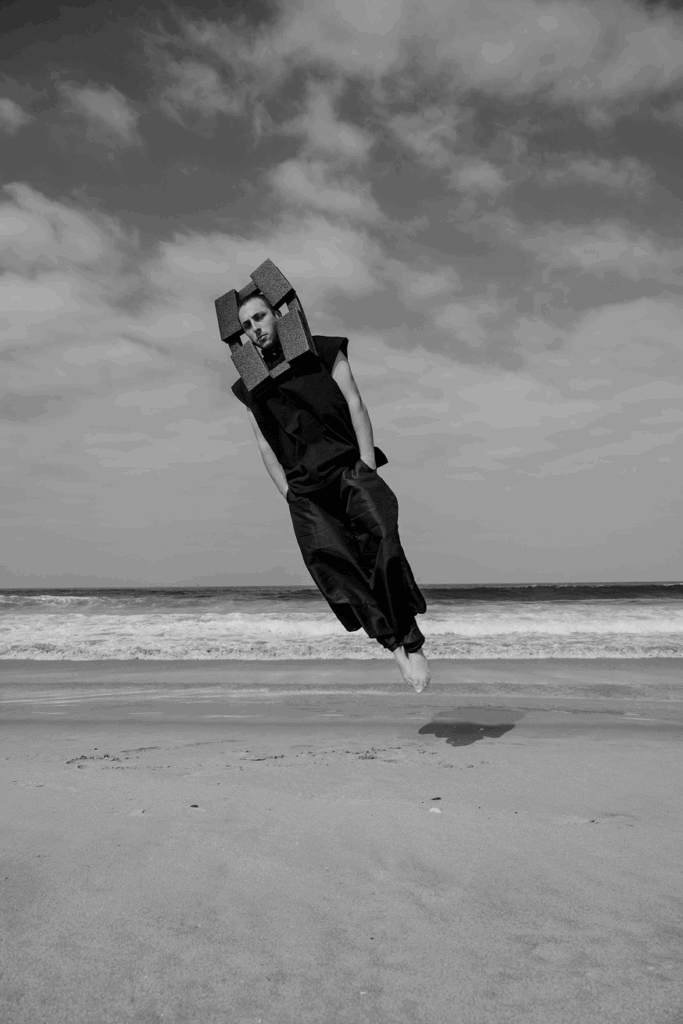
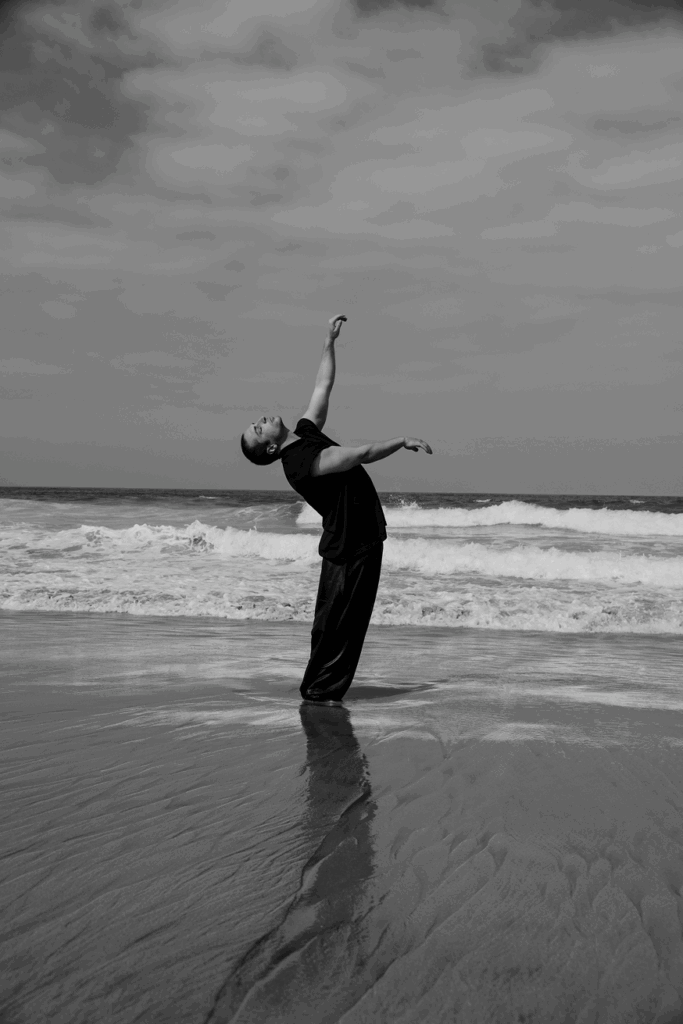
Jacob Jonas is a choreographer whose journey began with street performance and evolved into fostering interdisciplinary practices that lie between dance, film, fashion, and design. His work moves beyond tradition and transforms public spaces, architectural landmarks, and digital platforms into living stages for the body. Through collaborations with artists including Elton John, Rosalía, and SZA, Jonas has brought his distinctive approach to music tours, videos, and brand campaigns.
Jacob Jonas The Company, his LA-based creative nonprofit, enriches this path, uniting contributors from diverse backgrounds. Together, they create unconventional works and hybrid experiences that make contemporary dance more visible and resonant. Another key project is Films.Dance, the initiative he launched during the pandemic to sustain and expand the dance community when live performance halted.
In his work, Jonas often explores profound themes of trauma, resilience, and collective humanity. They echo throughout his memoir Cemented Beauty, which traces his battle with cancer and reframes illness as a meditation on healing, beauty, and aliveness. In this conversation with hube, Jacob Jonas opens up about the inspirations, collaborations, and philosophies that continue to shape his career.
hube: Your work often dissolves boundaries between dance, film, fashion, and design. What draws you to these interdisciplinary collaborations, and how do they expand what dance can communicate beyond traditional performance spaces?
Jacob Jonas: What draws me to these forms of collaboration is the belief that we can reach new environments and audiences to make dance more visible and accessible. The ability to collaborate and have dialogue with makers from different mediums and fields allows for responses that foster new perspectives and ideas that would not exist with dance alone.
h: How do environments and architecture influence your choreography, and in what ways does the body, in turn, reanimate or challenge static structures?
JJ: One of my biggest inspirations is Vidal Sassoon, a hair stylist. His approach was minimalism. Through curve and line, he used geometric and architectural techniques to create natural movement. Rumor has it that he spent a lot of time at Getty Center, designed by Richard Meier, admiring straight edges, curves, and the way sunlight responded to the space. Personally, I see the body as an architectural sculpture. The work I do is a somatic response to the spine and its coexistence with nature, moving in and through shape and emotion to respond to its environment.