Photography by PION STUDIO
Photography by PION STUDIO
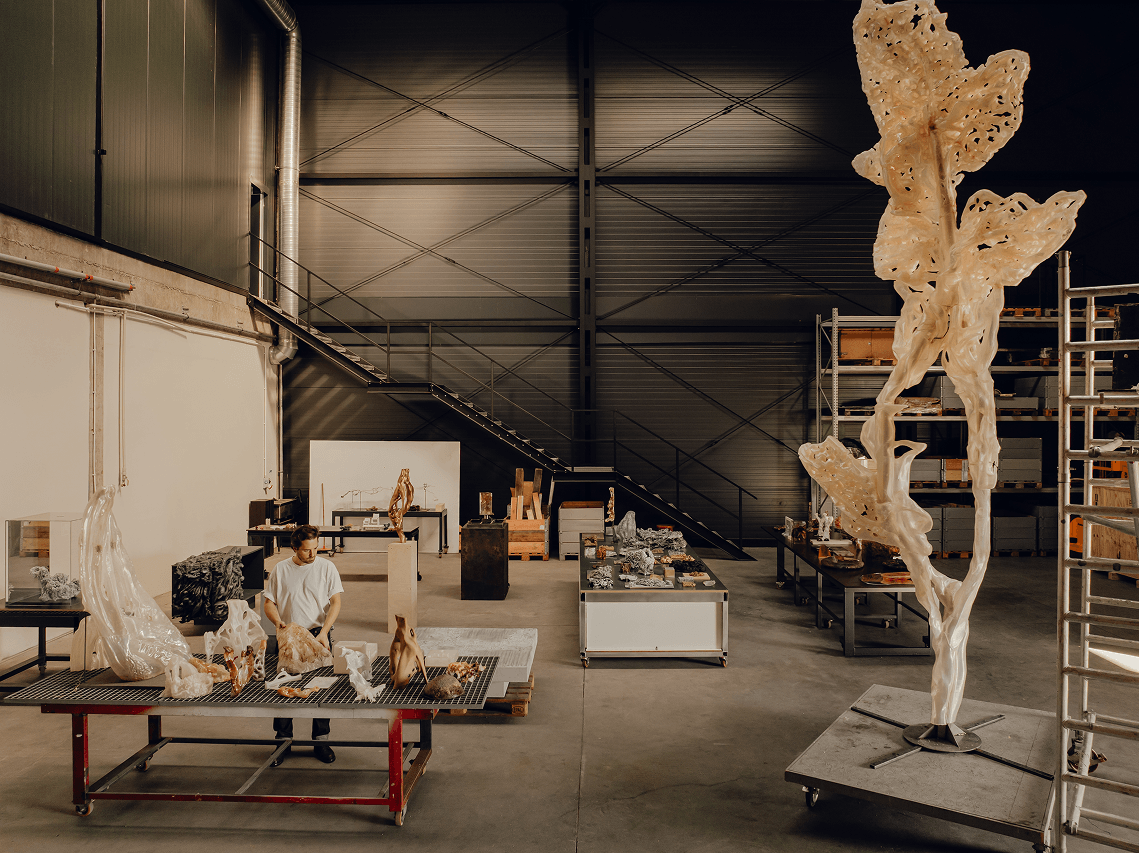
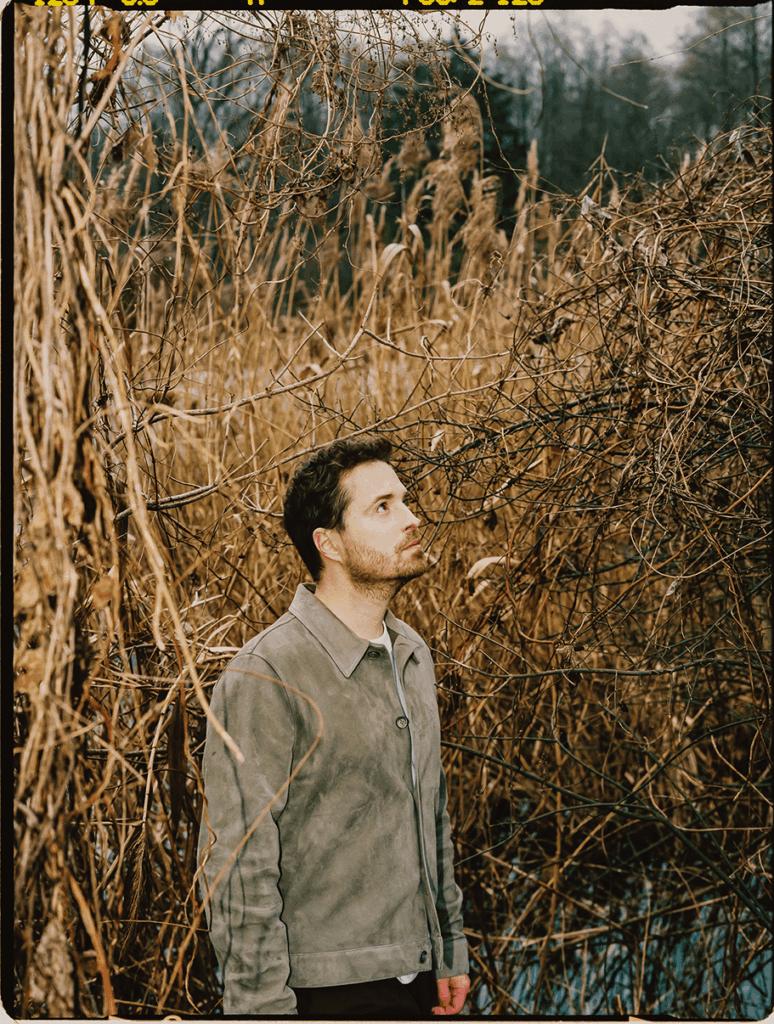
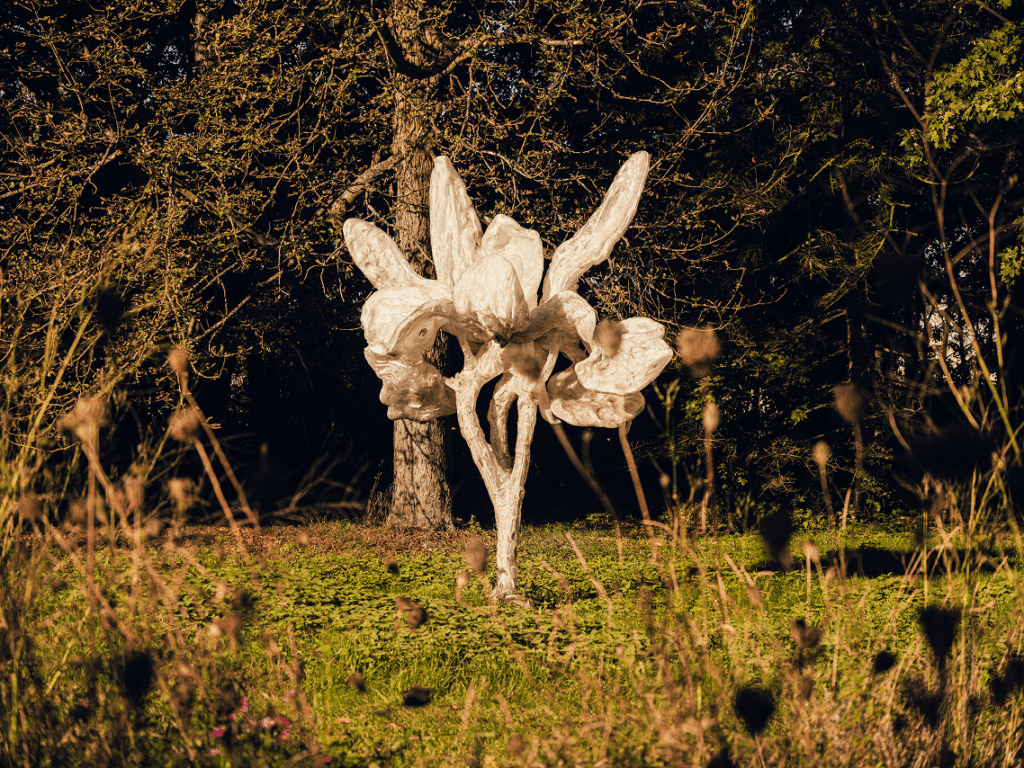
For artist and designer Marcin Rusak, time is essential. Not linear time, but cyclical time. The time it takes for a plant to sprout, to blossom, to return to earth. “In design, we often take inspiration from nature, but mostly on an aesthetic or superficial level, overlooking the most essential aspect: transformation through growth and decay. We borrow forms, structures, and patterns, but rarely the logic of time that governs them.” From his studio in Warsaw, he combines organic and synthetic materials to create pieces—vases, chairs, lamps, sculptures—that reflect on the relationship between consumption and value, ephemerality and desire. Ten years ago, he began working with discarded flowers, embedding their forms in a resin designed to succumb to heat, humidity, and light. In the years since, he has cast flowers in liquid metal, made audible the sounds emitted by plants when in distress, and experimented with bacteria to create works in which the flowers disappear to leave only voids behind. Through his fecund and enigmatic practice, beauty emerges not from preservation but from life, death, and renewal.
hube: Across many mythologies, nature is animated and personified. In fables, fairy tales, and poetry, it is a subject rather than an object. Why do you think humans have historically sought, and continue to seek, a sense of dialogue with nature?
Marcin Rusak: I think it’s because we don’t fully understandit. Nature mesmerises and terrifies us at thesame time. The most beautiful morning can turn into the most dramatic catastrophe; the most beautiful being can also be deadly. We try to understand these phenomena and cycles, but at the same time, we remain astonished by nature’s beauty.
Nature connects us with something we yearn for, whether it is tranquillity or thrill; everything comes from nature and eventually returns to it. It also confronts us with one of the most difficult aspects of existence: impermanence, ageing, and mortality. We observe nature with fascination in order to understand and accept how we fit into the larger picture, and what will ultimately happen to us.
By understanding natural cycles, we believe we can gain a sense of control over our own lives. By studying endemic Amazonian plants, we hope to find cures for diseases. By mimicking insects and birds, we build technological marvels. I think the dialogue between humans and nature is something predefined within us and cannot be broken. Ultimately, we are nature.