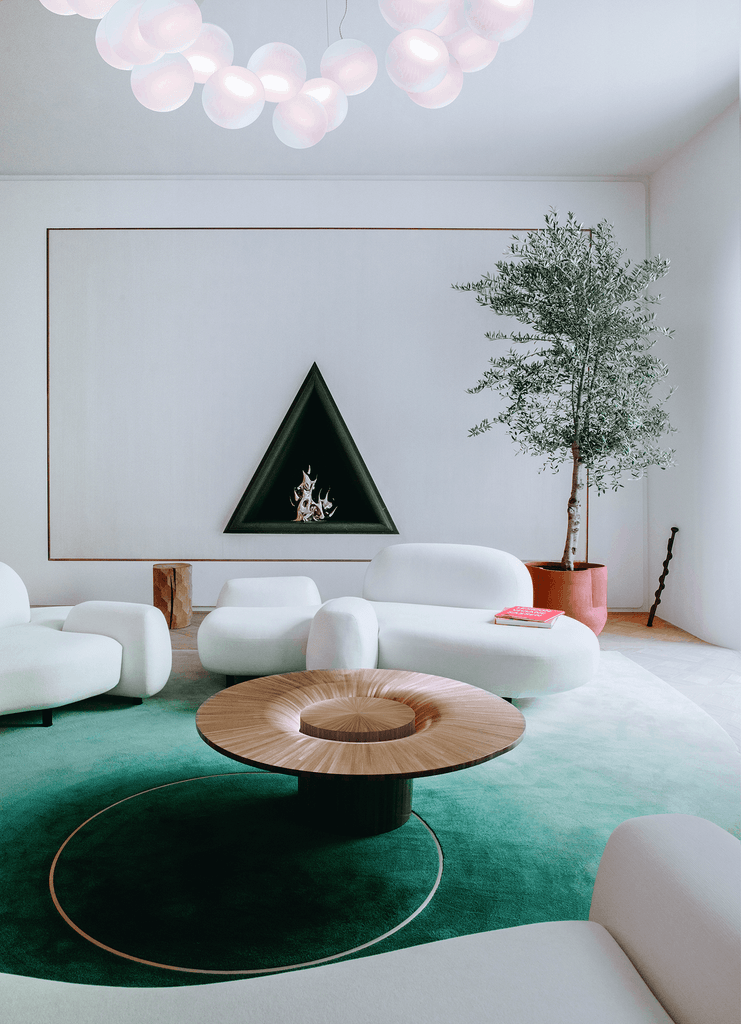
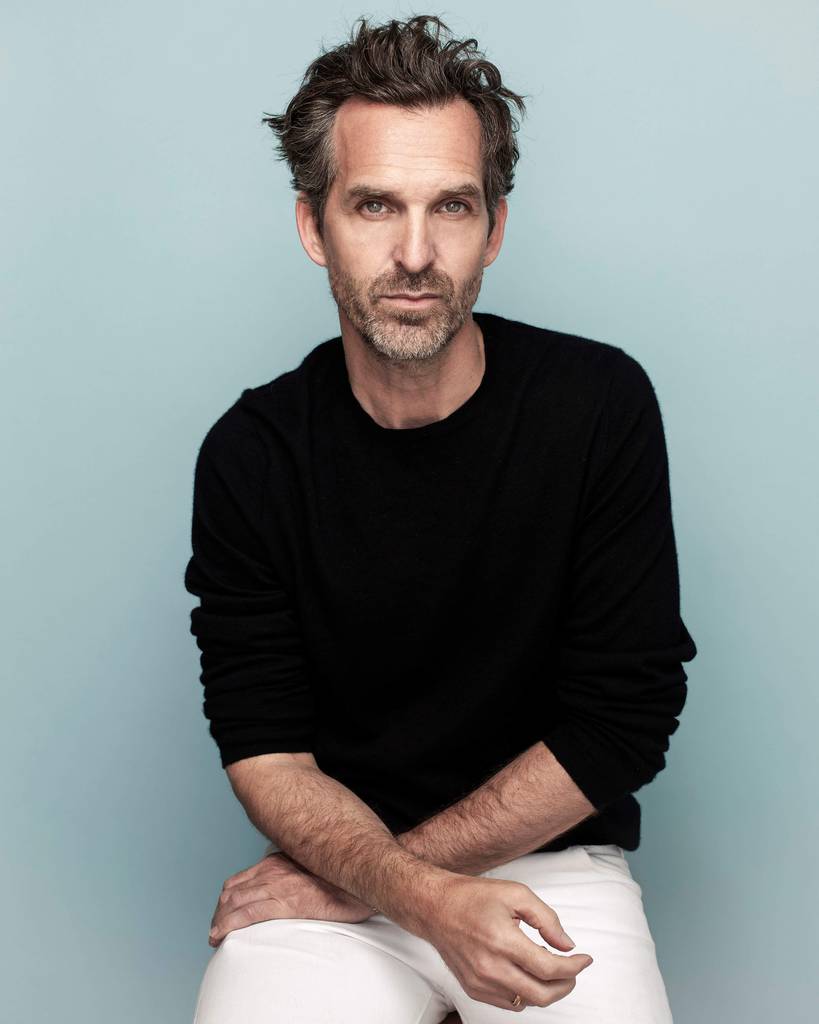
Mathieu Lehanneur’s research is concerned with the relationship between the body and its surroundings. He graduated from ENSCI–Les Ateliers in Paris in 2001 and opened a practice the same year, working with objects designed for health and wellbeing – with a focus on improving daily conditions of living with illness. Biology, demographic data, and the behaviour of water and stone have been a constant source of inspiration in his practice since, across furniture, interiors, sculptural pieces, and large commissions for public space.
Since 2018, Mathieu Lehanneur operates under his eponymous brand, which looks after every step of the design ecosystem entirely in-house: from ideation, to development, production, through to finished object. Many of his pieces push the boundaries of materiality – stone that reads as liquid, surfaces that look poured rather than cut. The operation runs from The Factory, a former electricity station in Ivry-sur-Seine near Paris, and since 2024, also from a duplex penthouse on East 53rd Street in Manhattan, called the Pied-a-Terre. With ideation, prototyping, and assemble kept close together under one roof in Ivry, a finished piece is worked out through testing, and not just designed on paper and computer models.
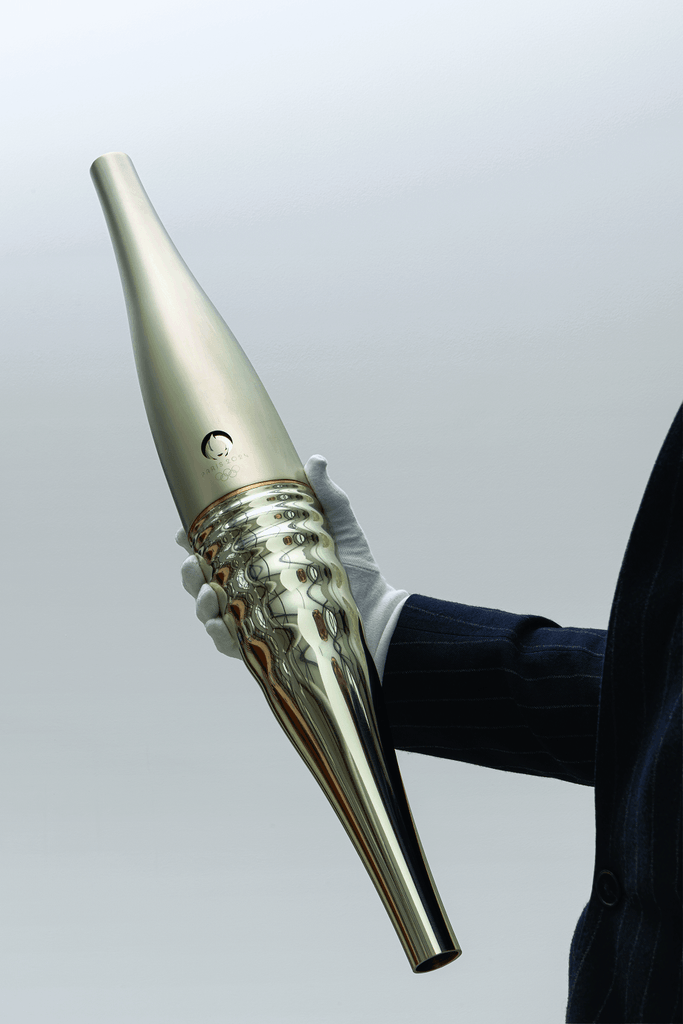
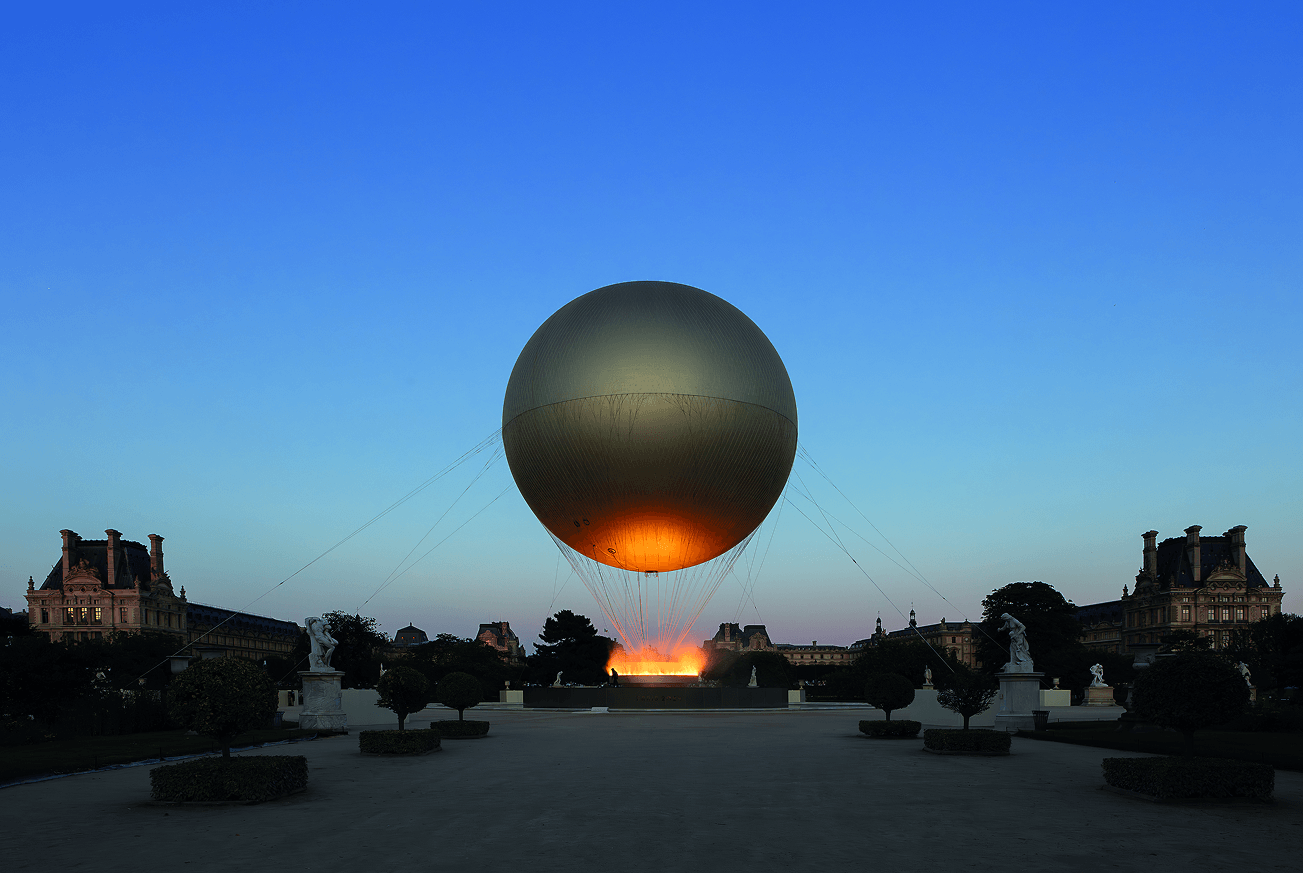
Alongside collectors pieces, the studio works on public commissions. In February 2023, after a call for tenders, the Paris 2024 Organising Committee famously named Mathieu Lehanneur designer of the Olympic and Paralympic torch and cauldron; the cauldron – a hot air balloon in hues of gold – rose over the Tuileries every evening for the duration of both Games, and remains indelibly etched in Paris’ collective memory. Lehanneur’s pieces are held in several museums collections, including the Centre Pompidou, the Musée des Arts Décoratifs, and MoMA. Maison&Objet made him Designer of the Year in 2024. Mathieu Lehannery will return to Park Avenue Armory this November for Salon Art + Design.
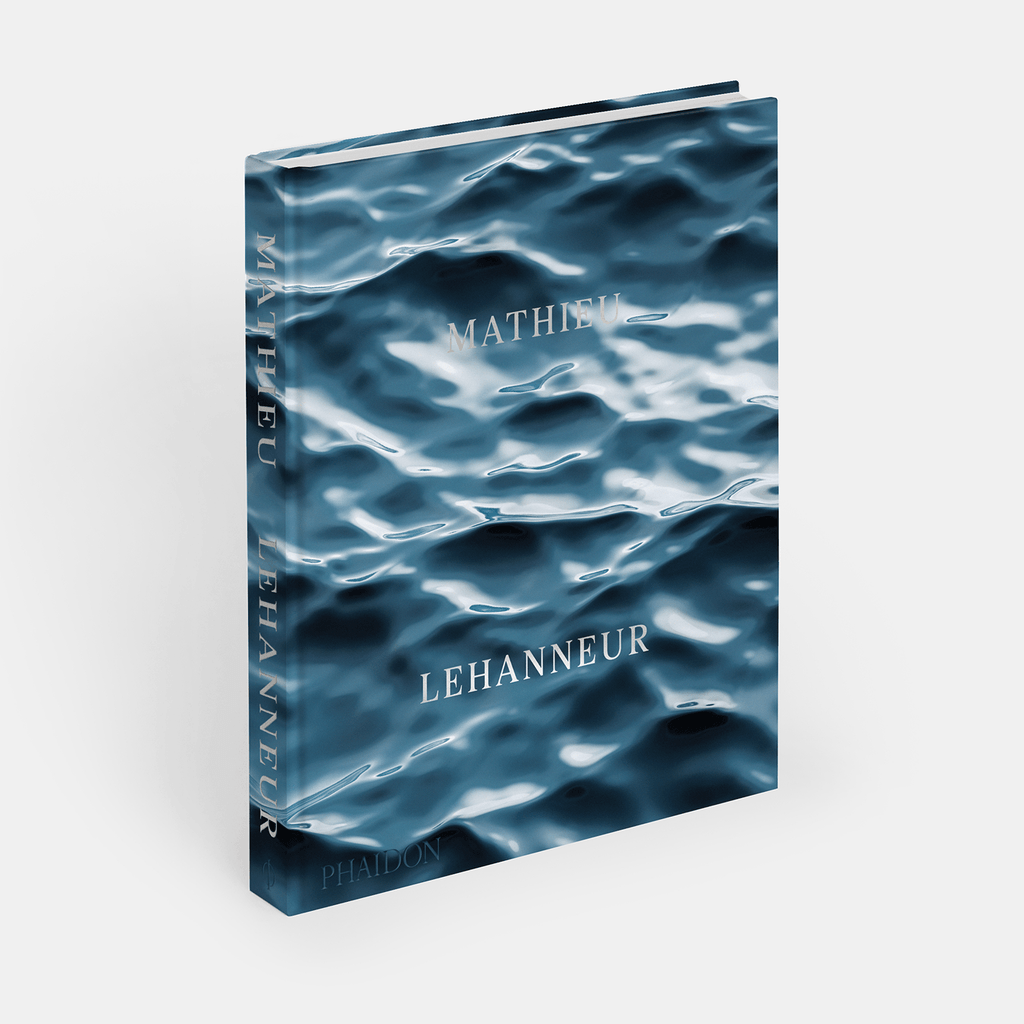
His first monograph with Phaidon, titled simply Mathieu Lehanneur, goes on sale on 22 October. It runs to 248 pages and 80 projects, from objects and interiors to public commissions, grouped into ten chapters that each take up a principle rather than a period or a product category. Alongside finished photography the book carries preliminary studies, models, renders, manufacturing shots, and press clippings, so the projects are explained in depth from ideation through to presentation. Notably, Spencer Bailey wrote the foreword, Anne Bony and Constance Rubini contributed texts, and the journalist Lucie Weeger a conversation with the designer.
Here, hube spoke to Lehanneur about how an idea takes physical form, the process behind the objects, and new territories and areas of research he’s looking to explore in the future.
hube: Your work moves between objects, interiors, and larger architectural projects. What remains constant in your approach when the scale changes so dramatically?
Mathieu Lehanneur: Whatever the scale, what interests me is what a work can do to us. What happens in the mind of someone who encounters an object or enters a space? Beyond aesthetics and form, I am looking for that almost magical capacity to affect us—to transform us.
h: You have described letting an idea mature in your mind until it is strong enough, and only then drawing it, before plans and prototypes follow. How long does an idea usually wait, and how do you know when it is ready to take physical form?
ML: Sometimes an idea comes very quickly, but even then I take the time to let it live—and, so to speak, to let it age—in my mind. I revisit it for a few minutes each day, for a week or two, sometimes several months. I watch whether it grows, like a plant you water day after day, or gradually fades away on its own.
I know an idea is ready when it feels stronger each time I return to it. In a sense, I apply a form of natural selection to ideas: I give each a chance, then see which proves strongest or the most relevant to what I want to create.
Courtesy of RUDY WAKS