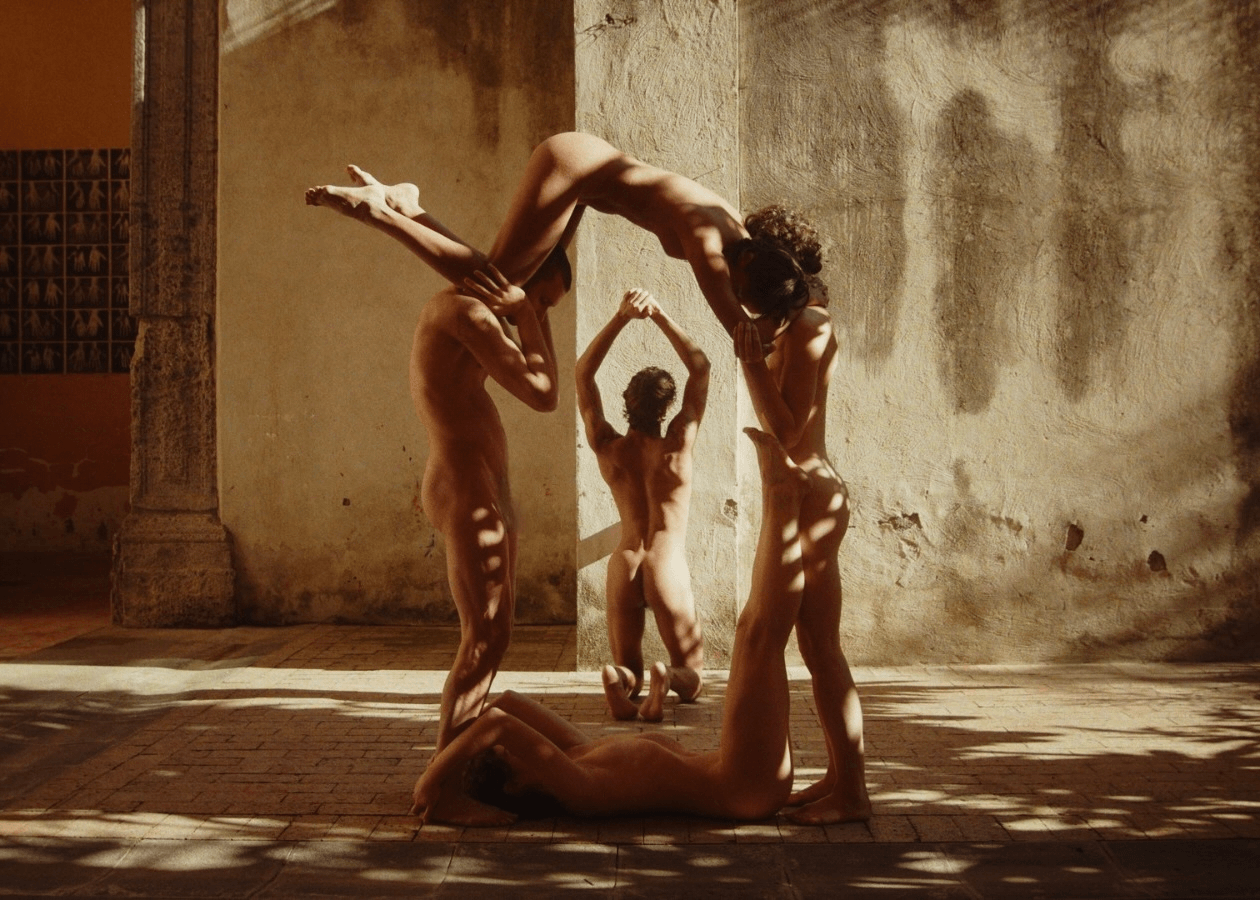
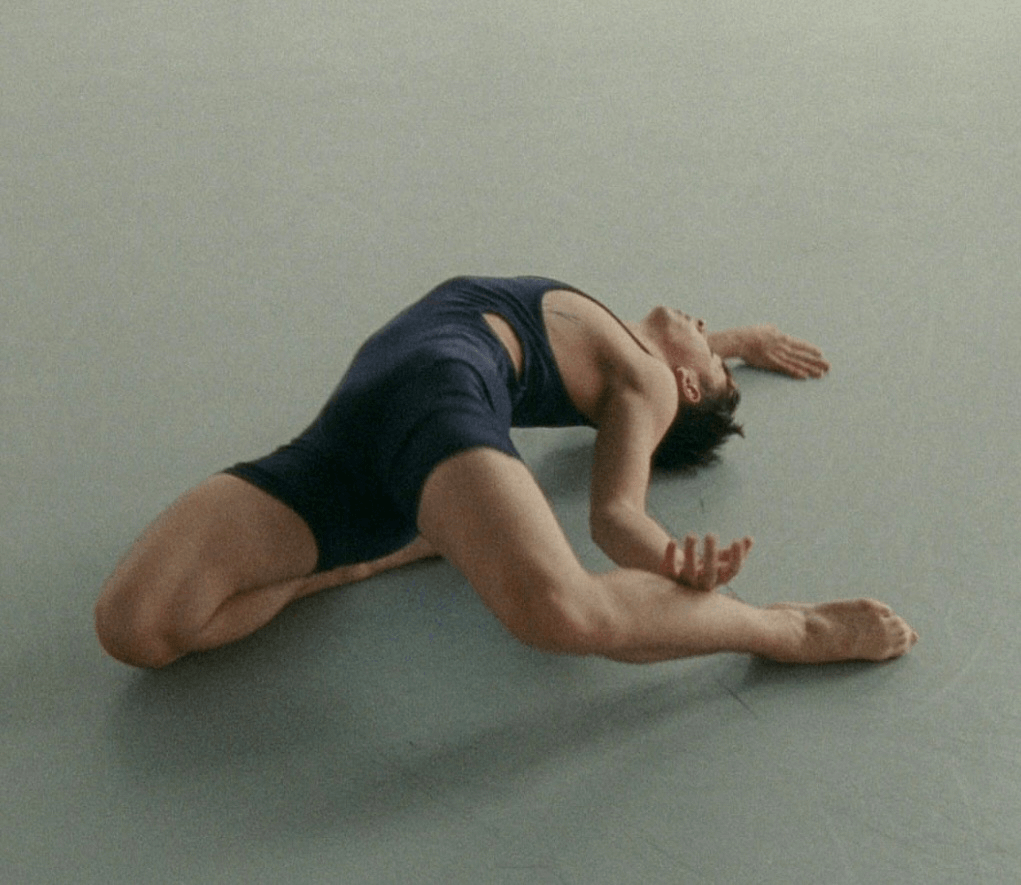
“Something dies and something is born when a work enters the stage.” Having trained in classical ballet and contemporary dance at London’s prestigious Rambert School, Max Cookward understands the rigour required to enter a flow state. His understanding of choreography is rooted in the nervous system being trained to sustain both extremity and sensitivity at once. Choreography, whether of the lens or of the body, is a living thing, like a beautiful parasite that dwells within our being; mutating, transforming, reacting.
His practice is in constant flux, moving between choreography, performance, directing, photography and film, often assuming multiple roles within the same project. Early next year, Max will move to the US to work with Charlie Le Mindu as a choreographer and movement director on several projects they are developing together, spanning fashion, live performance and theatre. Cookward’s recent collaborators include Sega Bodega, PinkPantheress, Charlie Le Mindu, FKA twigs and Yung Lean x GENER8ION, among others.
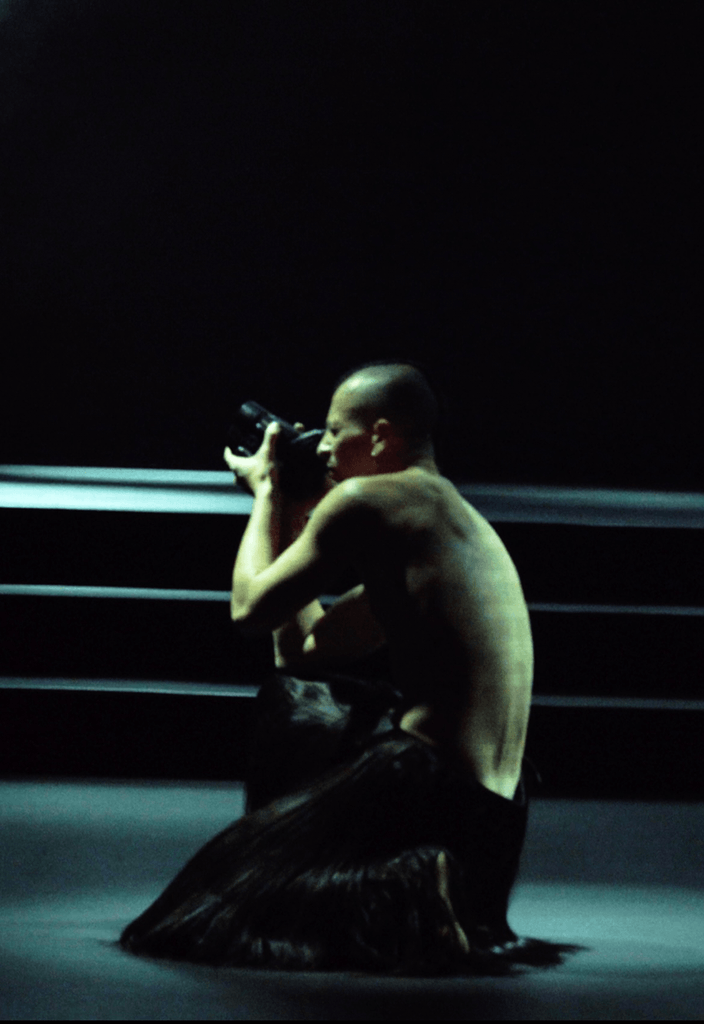
Twigs has become a frequent collaborator. After performing and camera operating on her Body High tour, Cookward is now taking a moment to breathe away from the stage. He asks us to join him in considering what we demand of our bodies. How do we relate to our physiology? Cookward speaks of ideas as frequencies or vibrations, energies to be channelled through our physicality, received and played with. Perceptiveness is the crux. Cookward teaches us how to tune in and listen.
h: There is a strong sense of immediacy in your work—it often feels as though there is very little distance between an impulse and the final image or movement. What allows you to work in that state of openness? Do you have to consciously let go of control, or does that freedom come through practice?
Max Cookward: I believe freedom comes from a combination of instinct and craft. I’ve spent years developing a deep physical understanding of movement, and that training has given me trust in my ability to create without overthinking.
Even with mediums like image-making or cameras, I’m applying the same principles I’ve learnt through embodied knowledge. I might not understand every technical detail in the same way I understand movement, but to me, they’re connected.
I’m also impatient and a perfectionist, which is a slightly dangerous combination. I tend to make things very quickly, then spend a long time refining them. Often, though, the first version has the most magic.
If I shoot something, I’ll often come home and edit until 4am. What exists at 4am is usually the best version of what I make. The next day, when the conscious mind comes back in, there’s a tendency to interfere with what was created in that flow state.
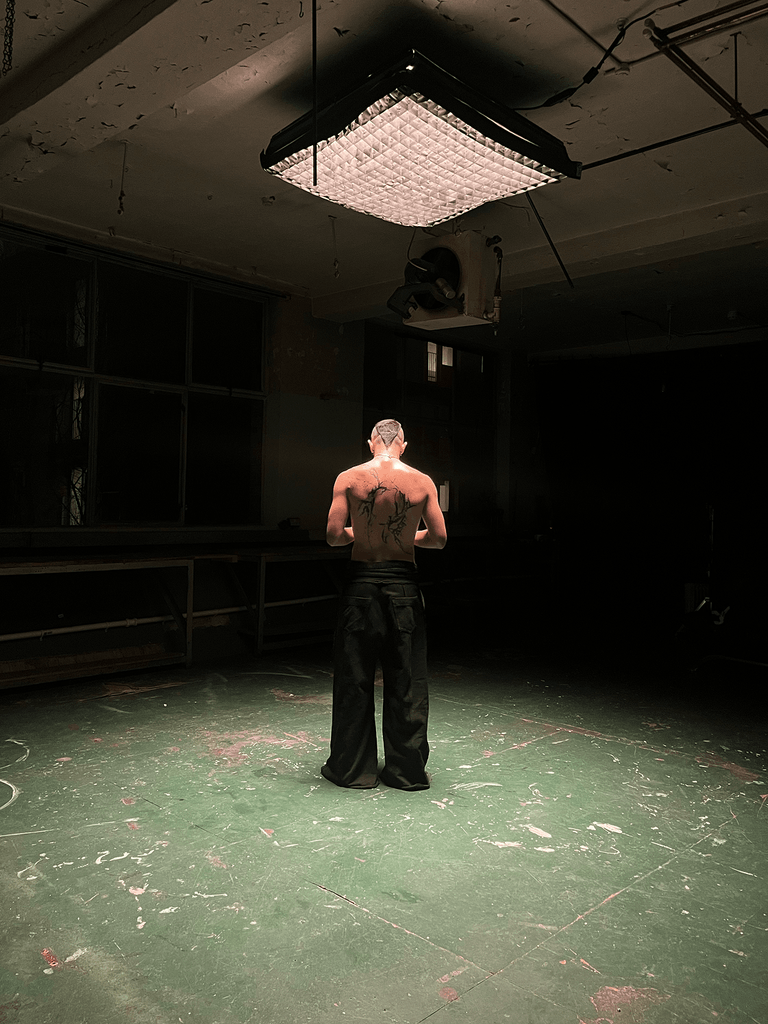
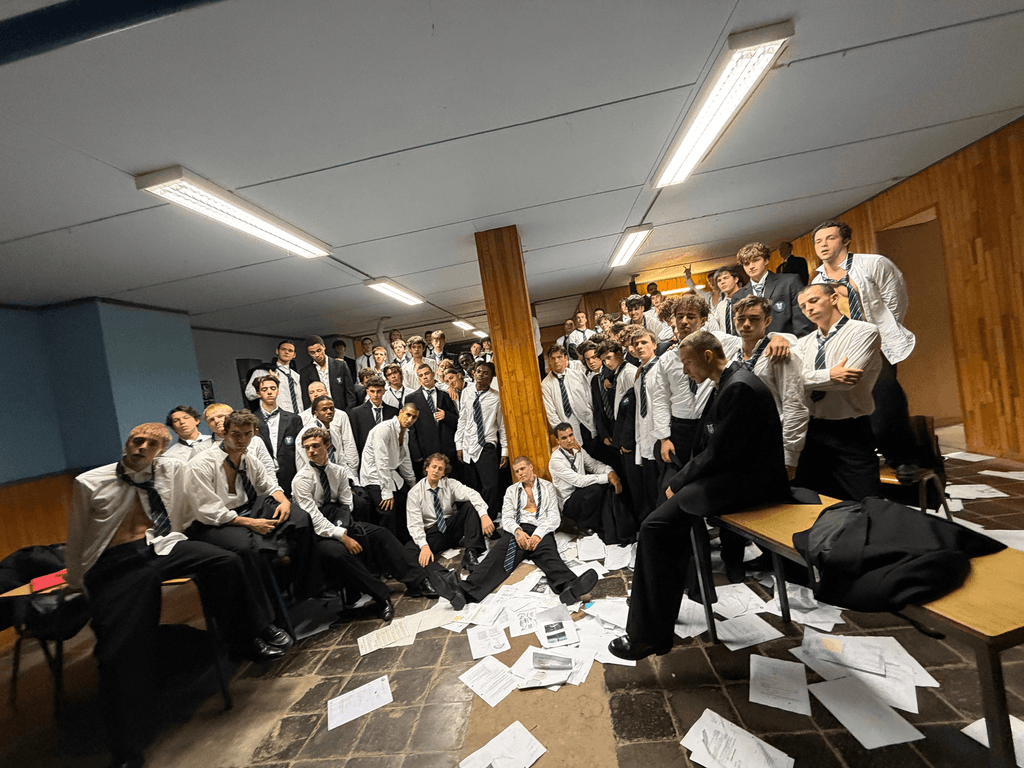
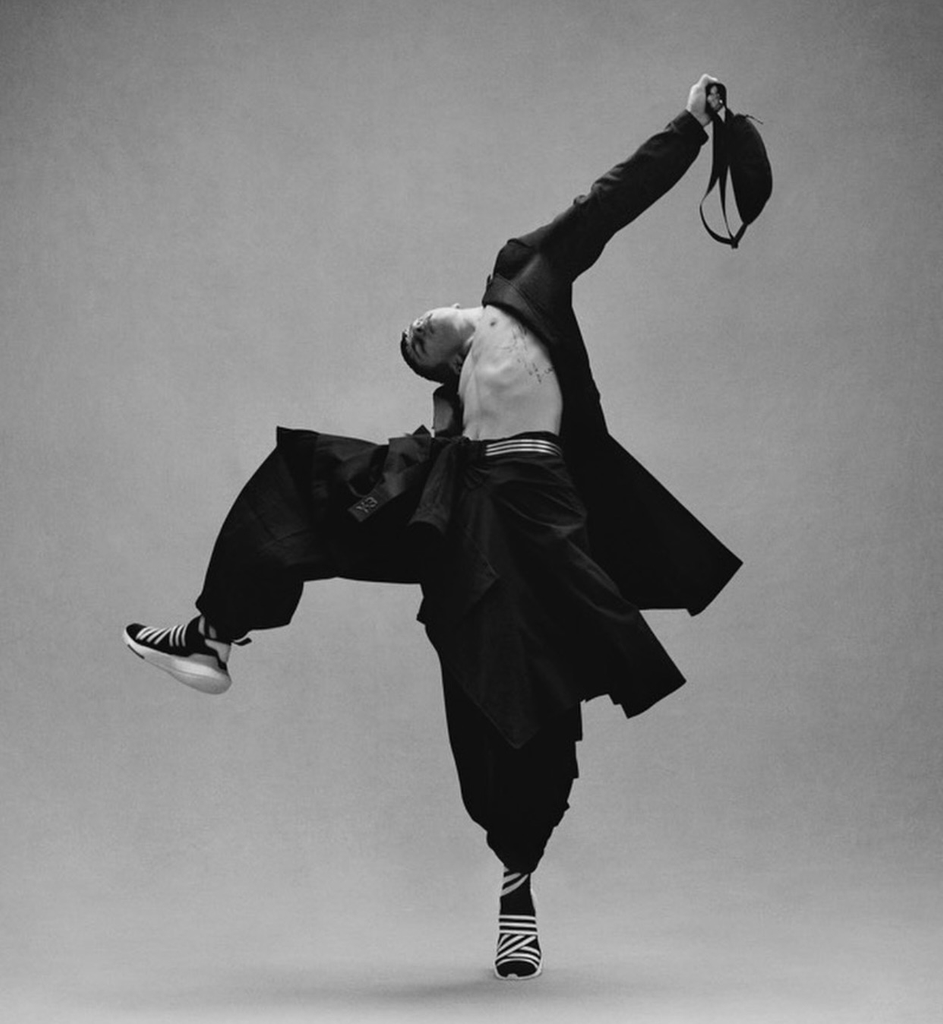
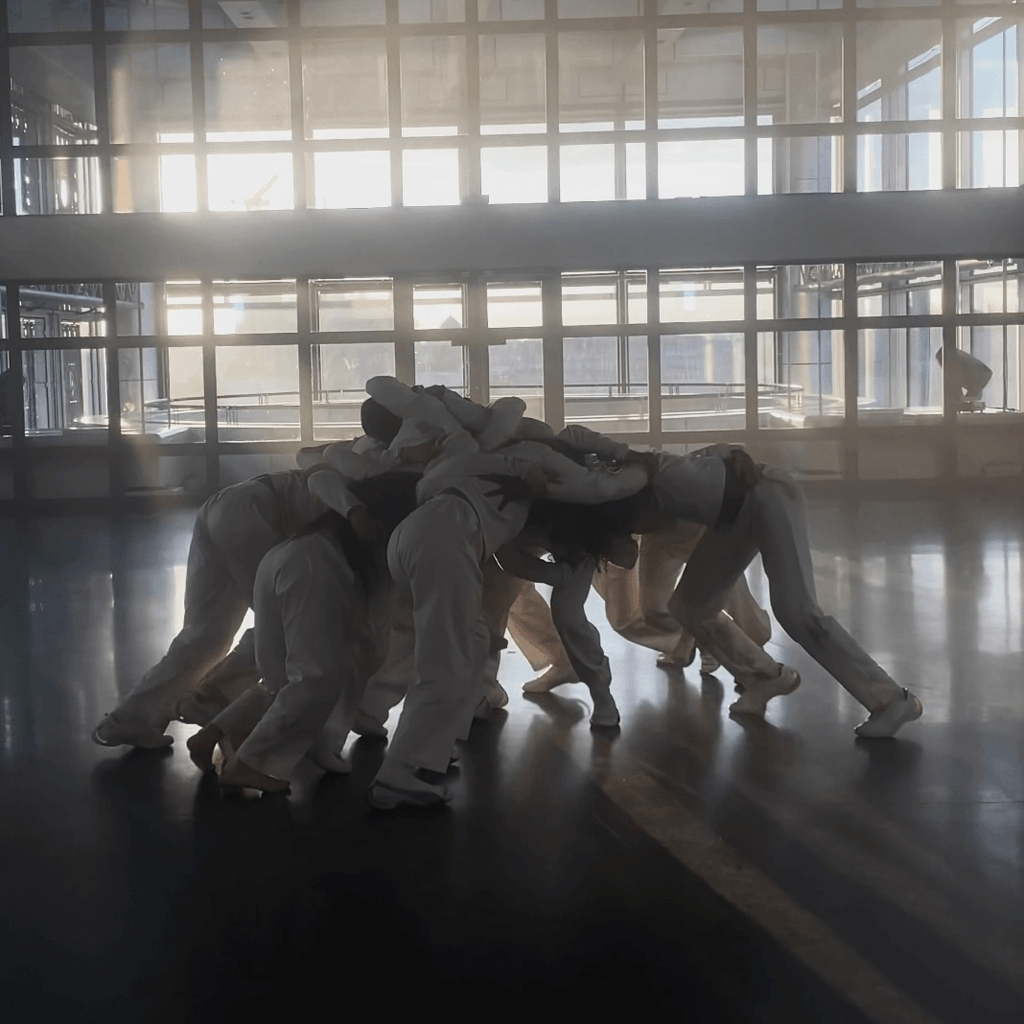
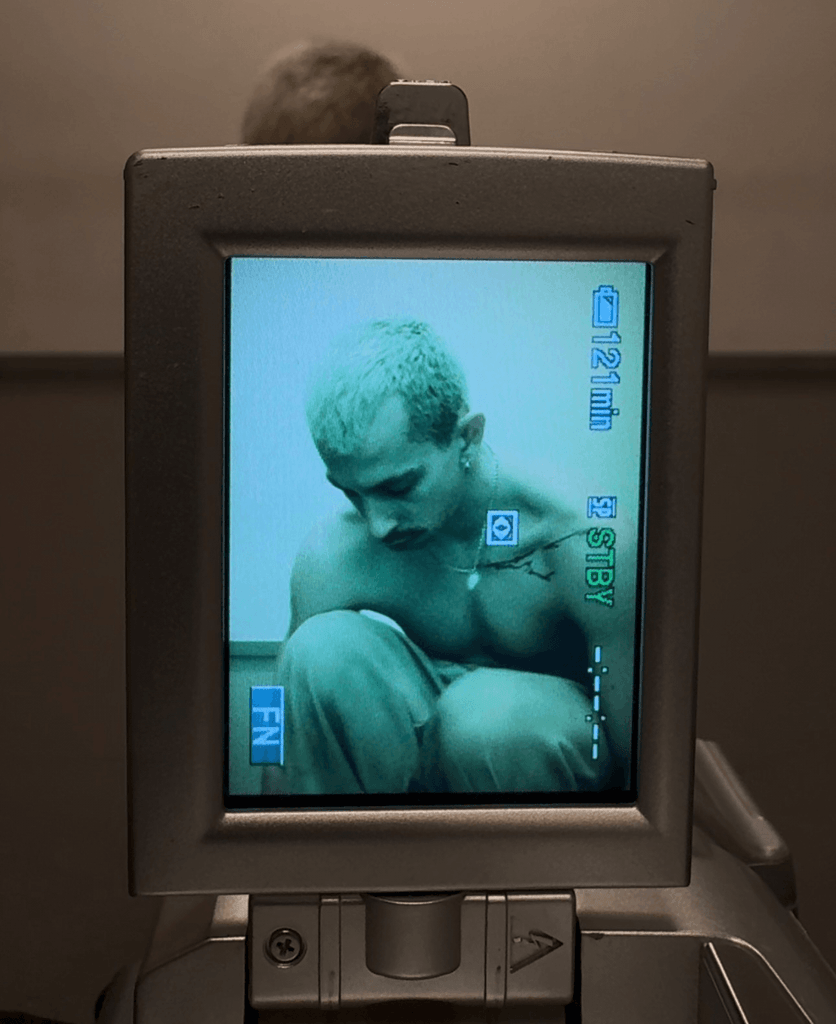
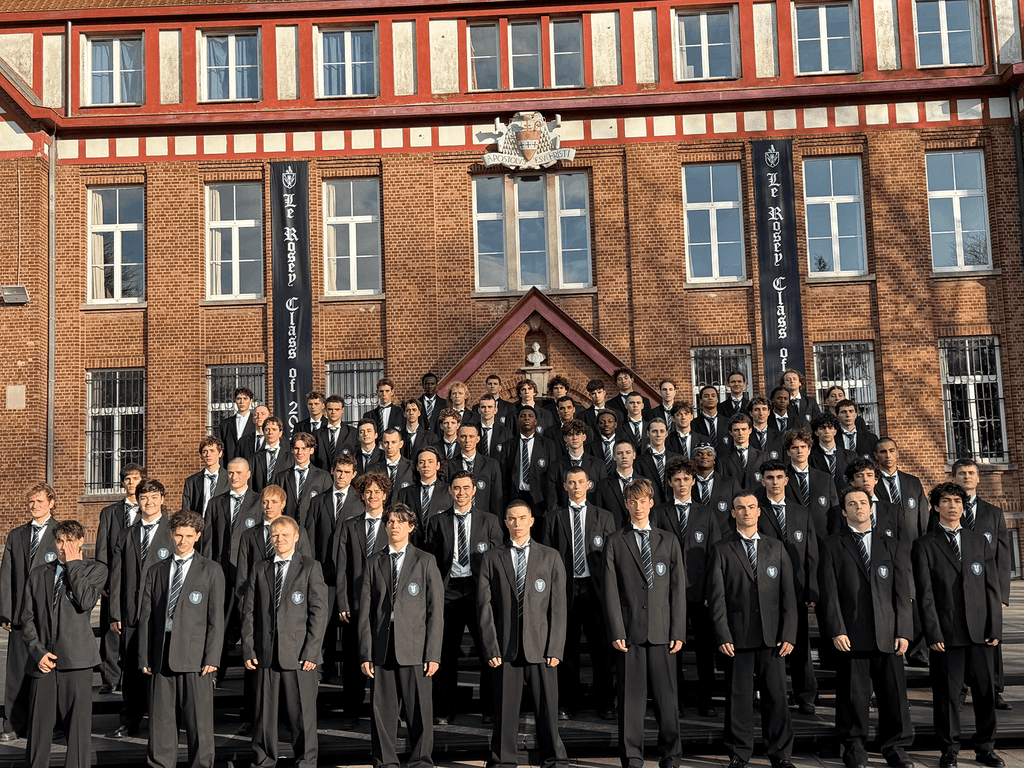
h: Your work often pushes the body to a point of intensity—physically, emotionally or both. What interests you about exhaustion, repetition and physical limits? Can reaching a point of exhaustion reveal something that control normally hides?
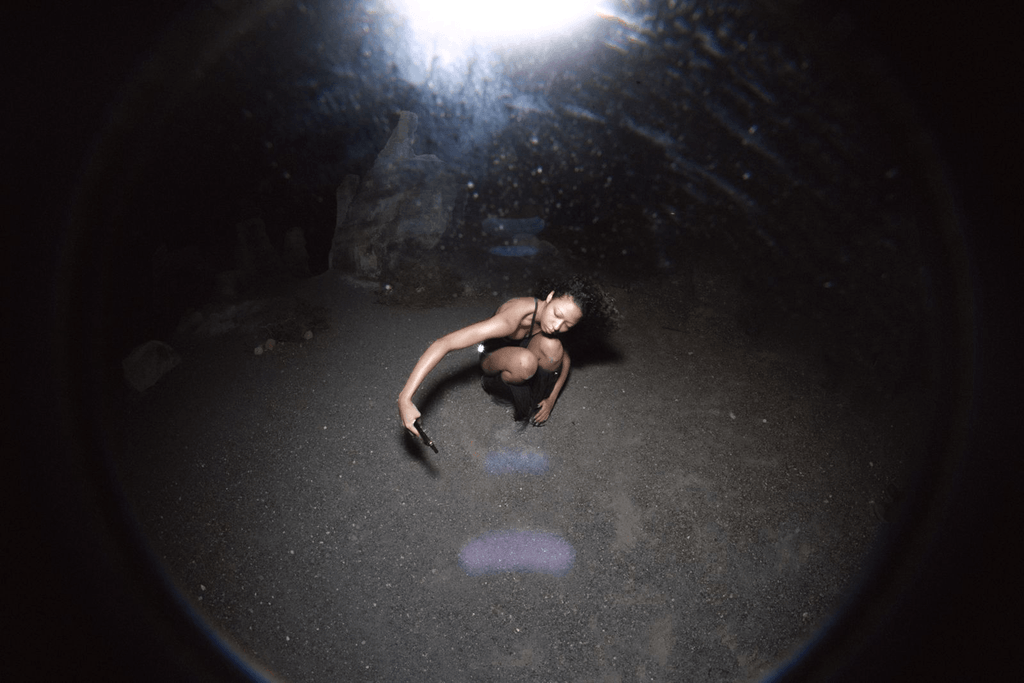
MC: Absolutely. For me, it’s about shifting the nervous system into something either more urgent or more regulated. When our physiology gets shaken up through exhaustion, repetition, breath or intensity, so much can surface—subconscious material, emotions, things that have been buried.
I think we’re far more intelligent than the conscious mind can comprehend. When control starts to dissolve, the body can become a vessel, channelling something more universal and harder to explain.
h: You move freely between choreography, performance, directing, photography and film. Rather than seeing these as separate disciplines, you seem to treat them as different ways of thinking through the same ideas. What does moving between mediums give you that staying within one discipline would not?
MC: I’m always looking to remain in a constant state of play. I also don’t want to identify too strongly with anything outside of myself, whether that’s the idea of being a dancer, a filmmaker, a choreographer, a camera operator, or being attached to a specific artist.
I just feel I’m ‘a soul’, and my purpose is to channel, play and communicate. Every medium is just another tool for that. Not staying rigid is how I stay free. Letting go of being one thing feels very liberating.
h: Many of your collaborators—from FKA twigs and Damien Jalet to Yung Lean, Fontaines D.C. and PinkPantheress—have very distinct worlds of their own. What makes you recognise that someone is the right person to create with? Are you drawn to a particular kind of energy or sensibility?
MC: I trust that the universe is guiding me. Each collaborator is a teacher and a mirror; I often feel that people arrive at very specific moments in my life because there’s something I’m meant to learn through them. Some collaborations last for years, some are brief, and some are deep, treacherous creative minefields that unearth a lot, both creatively and personally. Most of the time, I feel like things find me. My job is just to listen to whether I want to engage with what’s arrived.
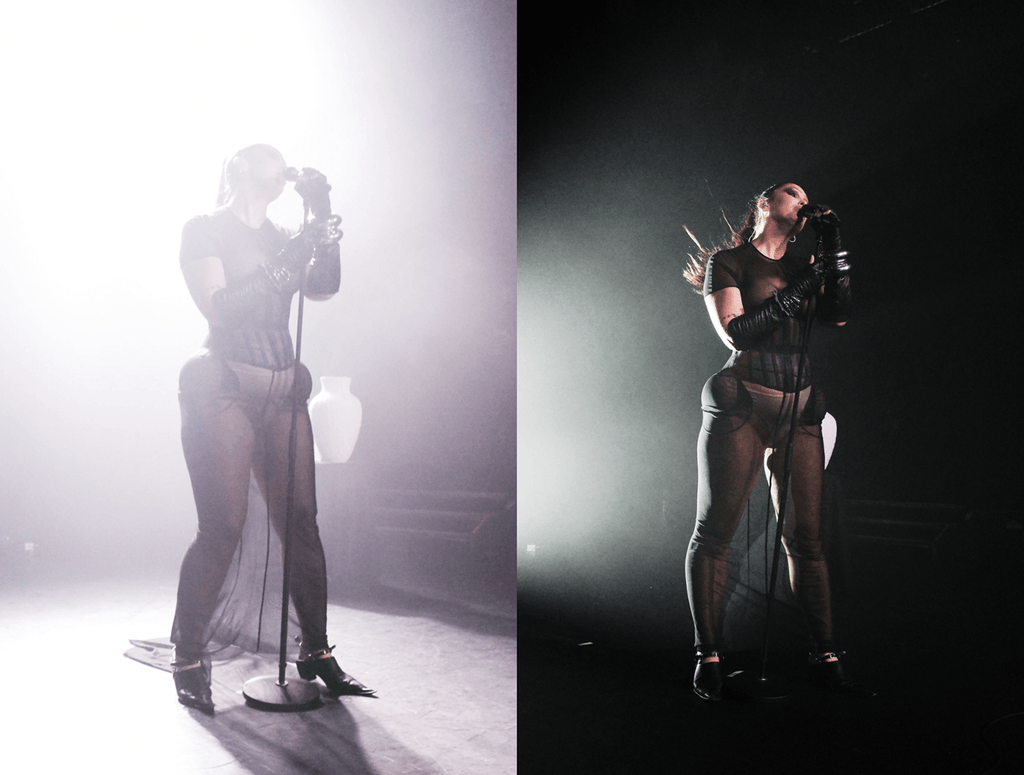
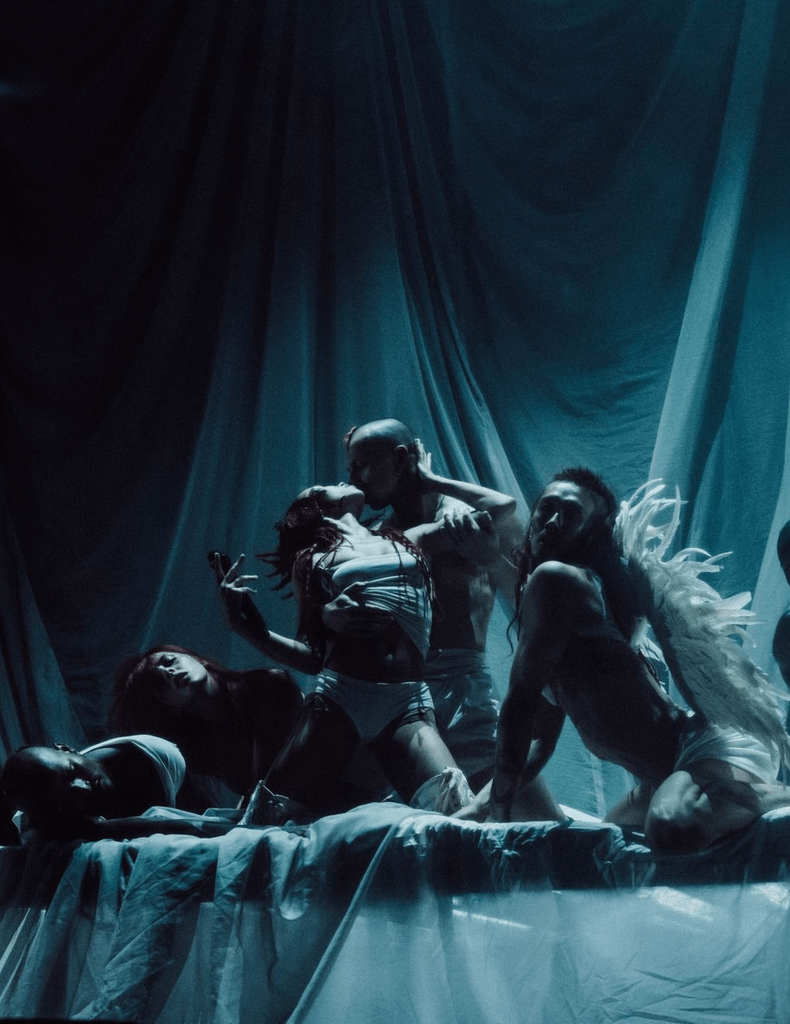
h: You performed with FKA twigs on her Body High tour, where choreography, music, costume, light and sound become one language. What happens to a piece of choreography once it leaves the rehearsal room and enters the stage?
MC: Something dies and something is born when a work enters the stage. Before the stage, a work has a very intimate feeling. Often, it’s only really ready moments before it enters the stage for the first time. It’s been this living, breathing thing that has kept transforming throughout the process.
Once it enters the stage, it solidifies slightly, but then becomes alive in a completely new way. It becomes reactive to the audience in front of it. In a way, it starts to belong to them. The temperature of the space, the feeling of jet lag, the sound of accents in different cities, the faces of the people in front of you—all of that changes the work. That’s what keeps it evolving on tour.
Regarding precision and instinct, it’s a really fun state to be in once the muscle memory locks in. It’s like riding a bike. Suddenly, you get to sit inside the corporeal nature of the work rather than thinking about specific details or remembering what comes next. I love that state. I get to play there.
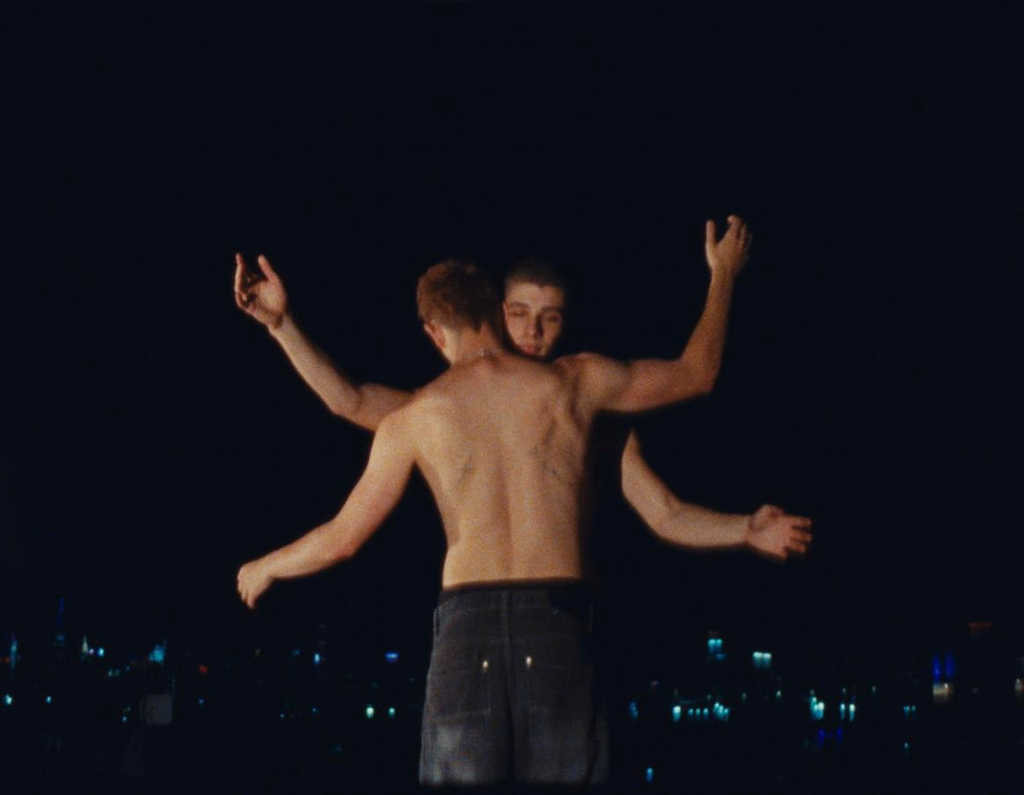
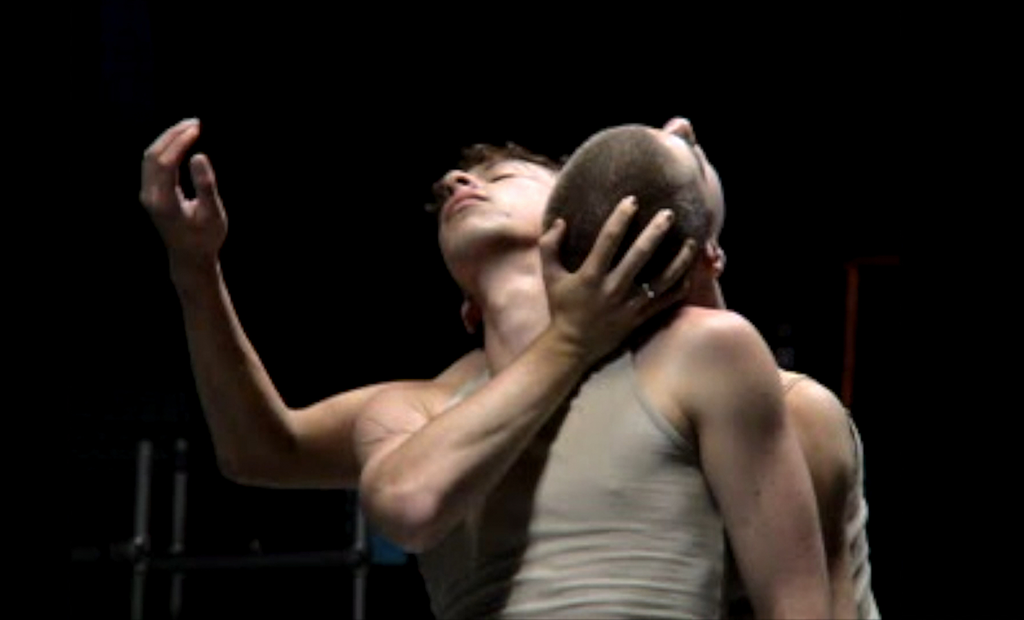
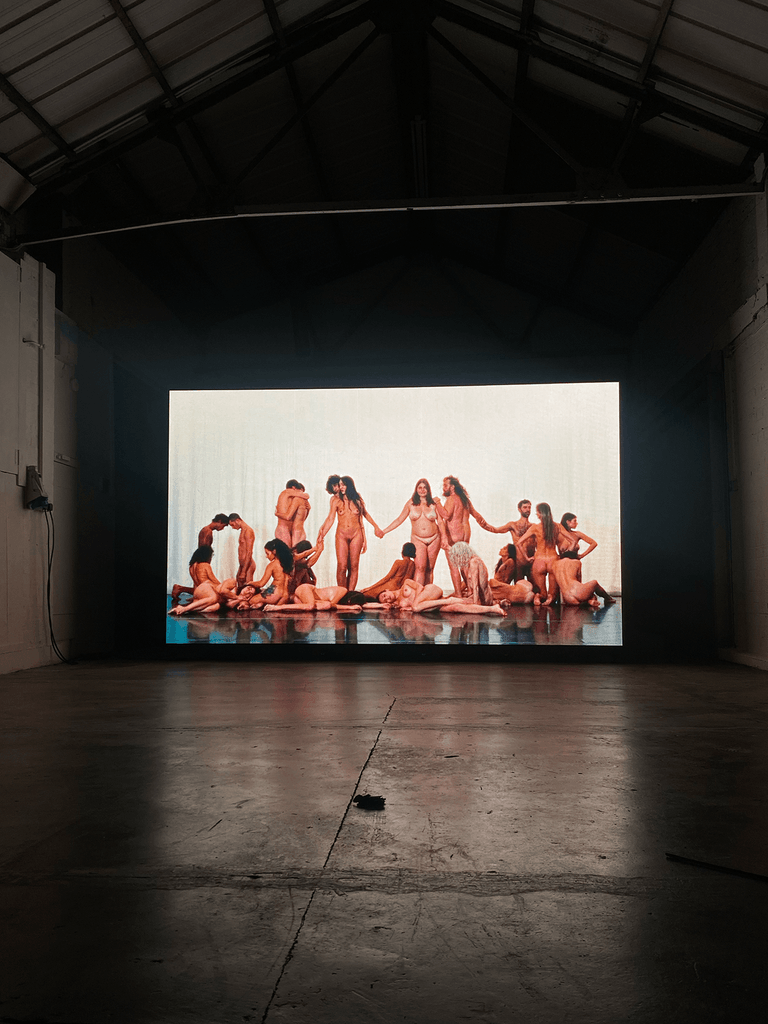
h: In films such as Soft Life, Fourier Transform and Diaries: Brothers, you explore masculinity, queerness, intimacy and identity through the body. What can movement communicate about a person that words sometimes cannot? And has your understanding of the body changed as your practice has developed?
MC: Movement communicates everything that words can’t. It’s universal. My understanding of the body is constantly shifting. It’s been in a deep state of flux my whole life. Recently, I decided to step back from dancing after eventually accepting that my body was screaming for a break. For the past few years, I’ve been operating at a level of physical output that just wasn’t sustainable for me.
My whole ‘practice of life’ has changed now. I’m not really working out, and I’m not dancing unless I’m choreographing. I’m allowing myself a deep period of rest and peace, and eating super intuitively. It has shifted my practice immensely. I’m no longer fighting or striving or pushing. I’m learning that listening to the body can sometimes mean not asking anything from it.
h: What is something you have learned from dancing that has nothing to do with dance?
MC: Interpersonal dynamics. There’s nothing quite like experiencing a lengthy creation process with a group of dancers. You’re constantly navigating teamwork, energy, physical intimacy, boundaries, sensitivity, joy and exhaustion. It teaches you how to be in relationship with other people.
That’s been incredibly transferable into directing and working with creative teams. Dance taught me how to read a room, understand energy and move through a group sensitively.
h: You’ve spoken about instinct, but instinct itself is something that can be developed. How much of your practice comes from intuition, and how much comes from research, observation and accumulated experience?
MC: I’ll only really follow something if there’s an internal pull towards it.
For me, it comes down to intrinsic versus extrinsic motivation. I have major authority issues when someone I don’t align with has authority over me, so it’s important that I’m intrinsically motivated and around leaders I respect. I love being a student, but I have to genuinely want to be there. If I trust the person or the process, I can completely surrender and be very open. Without that internal desire, it doesn’t work.
I think instinct can be developed, but it’s also about accepting and not being fearful of what you actually want from life. So often we feel shame around what we really want to do, or think that it shouldn’t be that way. But when we actually follow those instincts, we suddenly realise we’ve accumulated knowledge and done the research almost as a by-product of following those desires.
h: How do you know when that initial impulse is worth following? When you begin a new project, what usually comes first: an image, a movement, a sound, a feeling, a person?
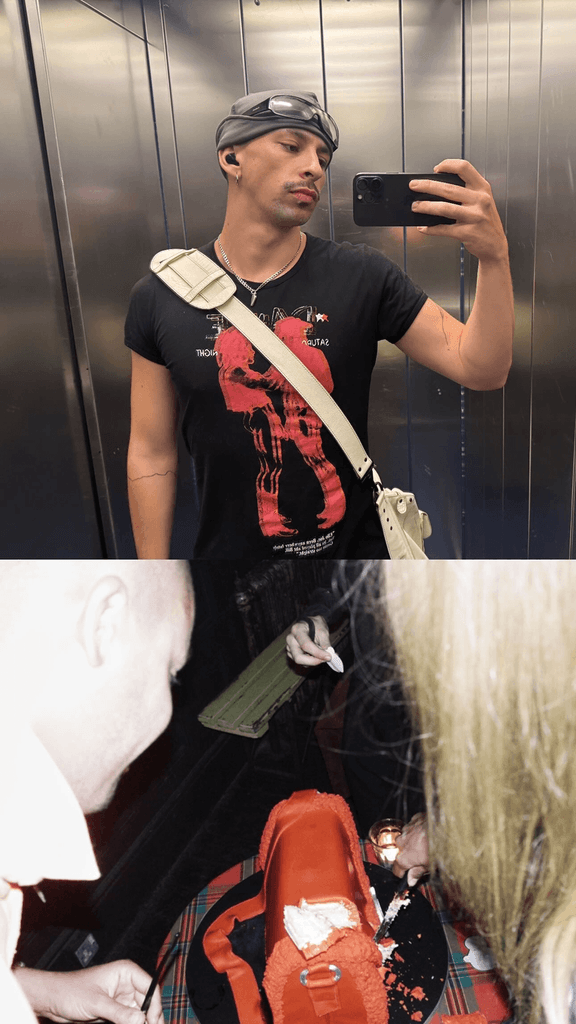
MC: I rarely realise when a project has actually started. I’ll be in a city, meet someone, and next thing I know, we’re suddenly making something. Or I’ll instinctively take my camera out with me and a project will emerge from whatever gets shot.
I guess it usually starts with a feeling, but it feels more like channelling or following signals. I’m very geographically motivated and nomadic. Sometimes I’ll suddenly feel I need to go somewhere, even when it makes no logical sense. Then I arrive and realise I was meant to meet a particular person or experience something there. My life seems to move with that kind of magic. I’m very grateful for this. Nothing really makes sense until I look backwards and see how everything came together.
I’ve learnt I can’t plan everything. I just have to put myself in the right places, stay connected to play, and be open enough for something to happen. It’s also about having the audacity to ask for what you want. If an instinct is strong enough, I’ll sometimes just send an email, and surprisingly, things can move very quickly from there.
h: Looking at your work so far, is there something you understand now about yourself as an artist that you could not have understood when you started? Has becoming more confident in your own language made you feel freer, or more demanding of yourself?
MC: Recently, my life has become extremely playful and extremely serious at the same time. I’m being trusted with bigger teams, larger budgets and more responsibility. People are investing a lot of time and energy in me, and I take that very seriously.
But I know that when it comes to actually making the work, I have to remain in a state of lightness and play. Otherwise, the work can’t become what it needs to become. I’m very serious about my career and quite business-minded, but creatively, I try to stay very open and unattached.
I think confidence has come from recognising the patterns in how my life has unfolded and trusting that, literally, everything is a gag. All I can really do is be present with what is directly in front of me and trust that the next thing will reveal itself.
h: If you could experience the world through another person’s body for a day, whose perspective would you want to inhabit?
MC: Sylvie Guillem. Since stepping back from dancing, I’ve been reconnecting with my roots in ballet and with the purity and rigour of that physicality. I’ve been watching endless videos of Sylvie. She feels limitless. She is the body I experience in my dreams at night, truly embodying what it is to fly.
Yes, her physical capability is extraordinary, but it’s more than that. She feels completely free in herself. She can inhabit music and genuinely dance in a way very few people can.
h: If you could invite three people—from any time, alive or dead—to dinner, who would they be?
MC: Grace Jones, Patti Smith and Michael Clark.
Words: MARTA TERESA
Courtesy of MAX COOKWARD