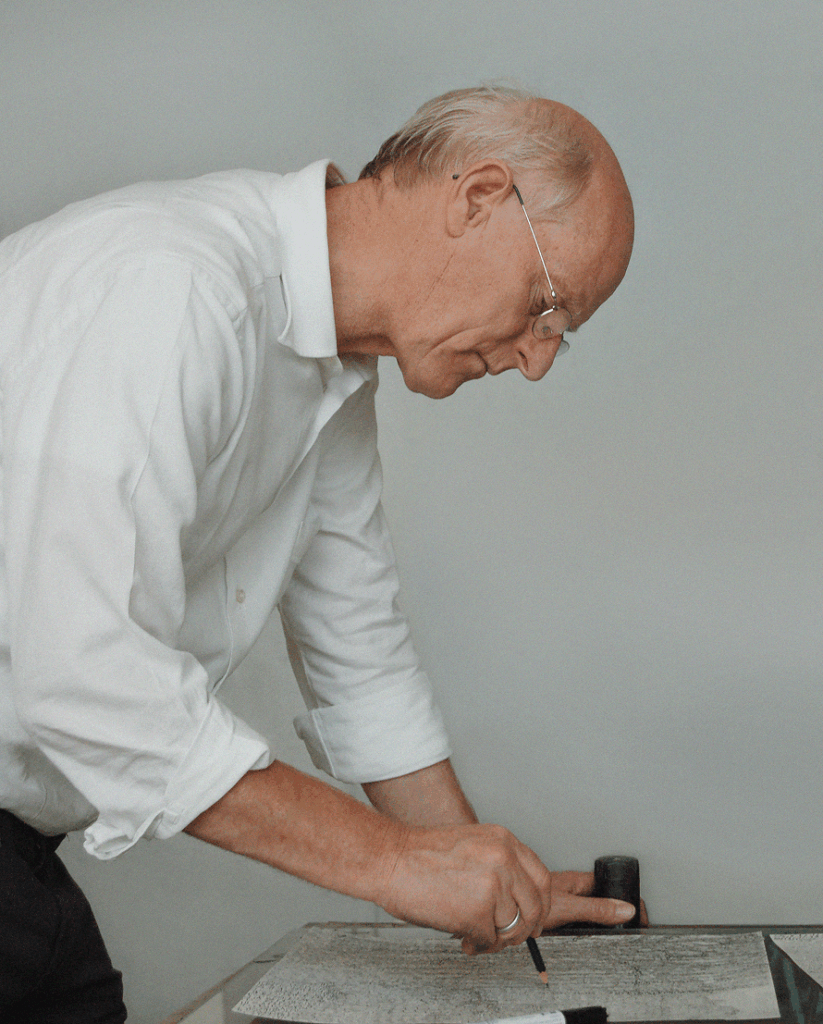
Photography by DAVID KALUZA, 2007
Courtesy the Artist and LISSON GALLERY
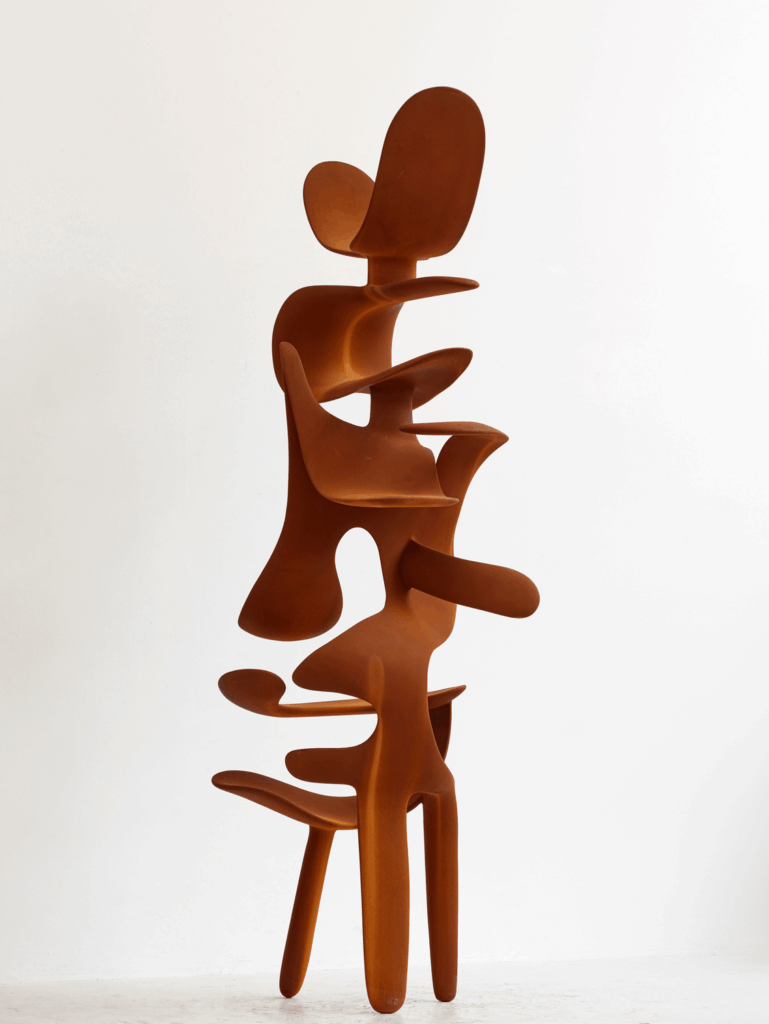
Incident (Vertical), 2022; Corten Steel; 230 x 84 x 94 cm; 90 1/2 x 33 1/8 x 37 in
© TONY CRAGG, Courtesy of LISSON GALLERY
Photography by MICHAEL RICHTER
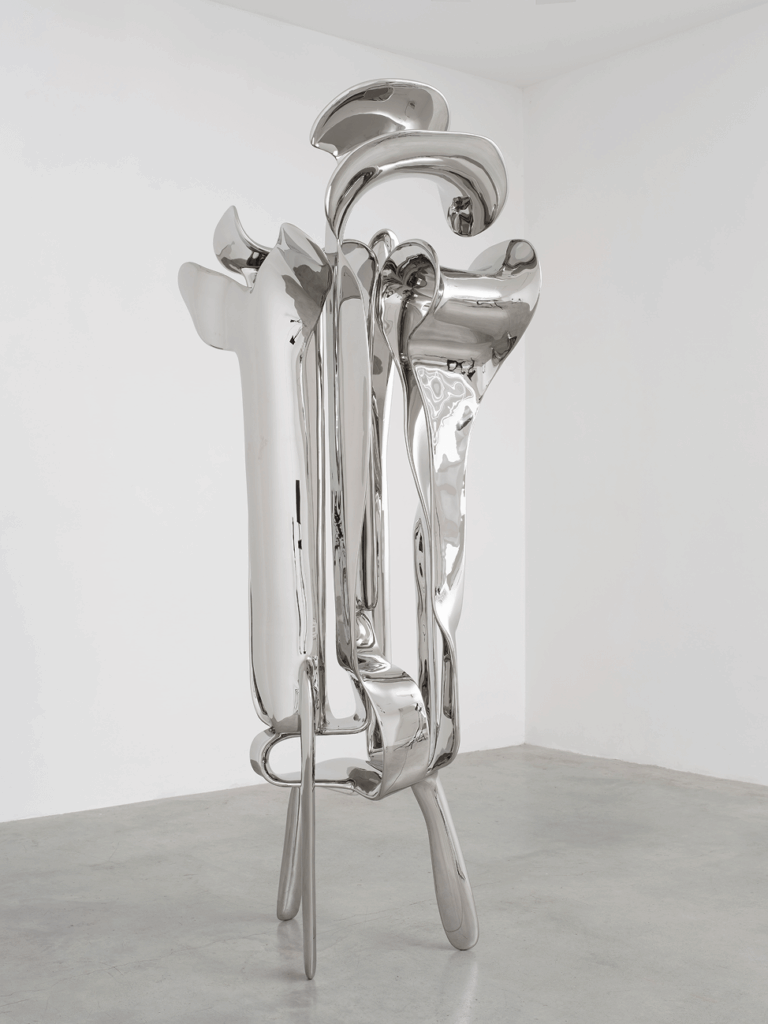
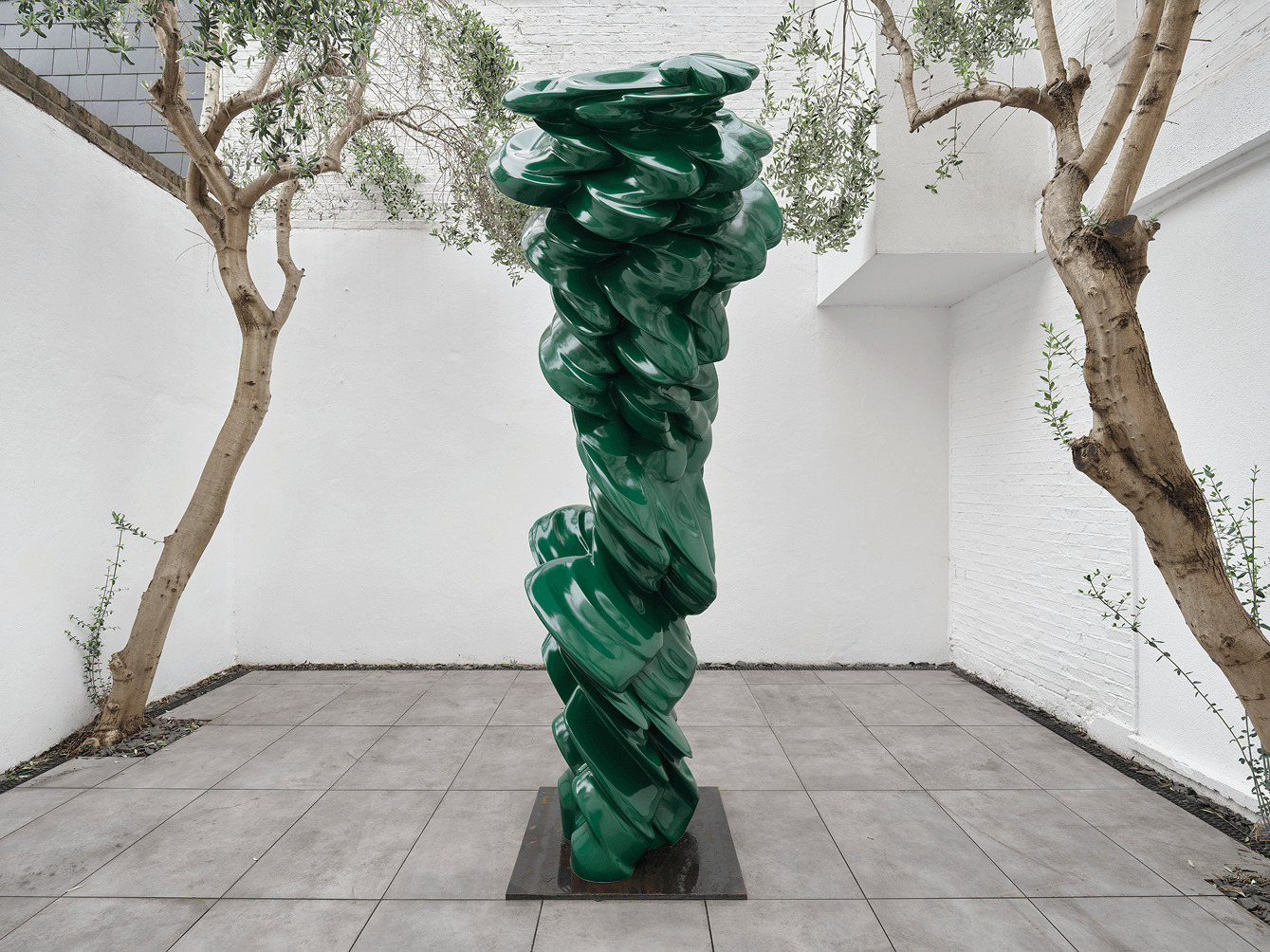
Incident, 2023; Stainless steel; 185 x 84 x 87 cm; 72 7/8 x 33 1/8 x 34 1/4 in
© TONY CRAGG, Courtesy of LISSON GALLERY
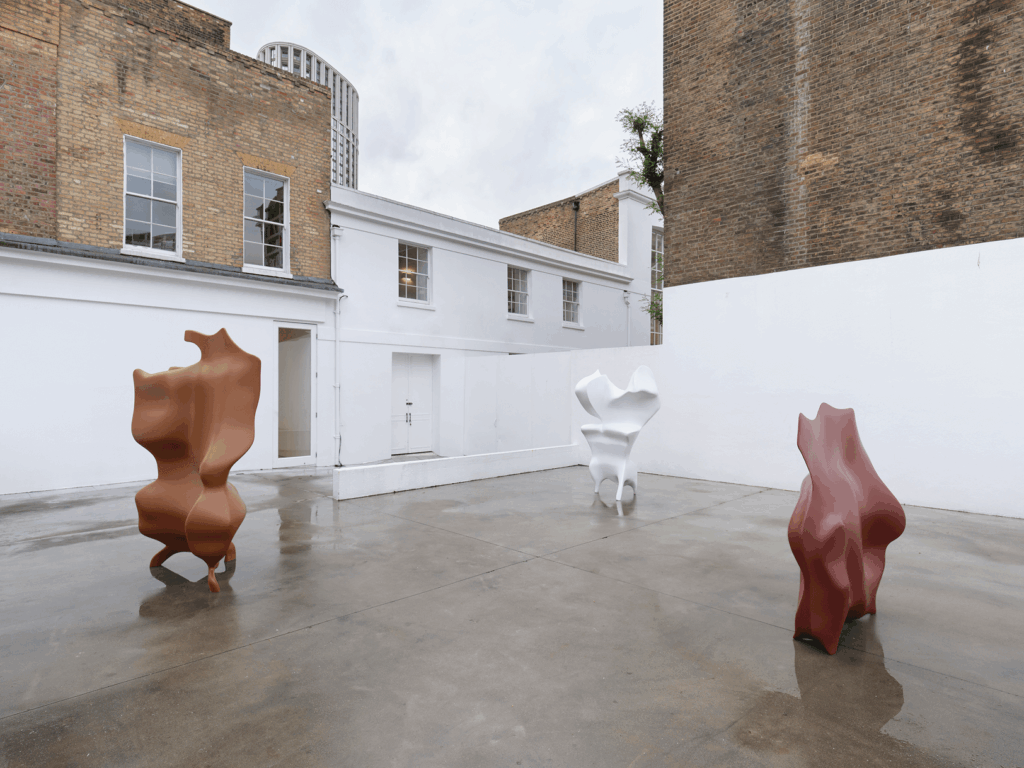
© TONY CRAGG, Courtesy of LISSON GALLERY
1988 Turner prize winner Tony Cragg is a widely recognised name in the field of contemporary sculpture. Nearly 4 decades on, his love for the medium still resonates with each sentence he speaks. Although Cragg has largely remained private, the source of his deeply intuitive practice is clear: a profound reverence for nature. A naturalist in his own right, the evolution of his sculptures often mirrors the forms he observes on his morning walks through the forest. By 1981, Cragg had already participated in twelve exhibitions; today, his work continues to be shown across galleries and museums worldwide.
While Cragg’s work is appears almost idyllic, appearing to take on a life of its own, it is never purely spontaneous. Each piece is a response, rather than an impulsive creation. Moving like water droplets down a windowpane, his forms bend and fold, using materiality to create a dialogue between the outer world and the artist’s mind. As American naturalist Tom Brown Jr. writes, “this earth is a garden, this life a banquet,” Cragg’s work continuously captures the richness of textures, shapes, and delights all around, resisting any flattening of their complexity.
In this interview with hube, Cragg discusses walking away from Fluxus, listening to Jimi Hendrix in the studio, and whether materials might have a mind of their own.
hube: Sorry if I’m sounding a bit raspy, I’ve lost my voice.
Tony Cragg: It’s the Christmas carols and alcohol that does it [laughs].
h: So going back, when you look back at the earliest days of your practice, what do you feel has changed the most in the way that you approach work and move within your practice?
TC: You mean from 55 years ago to now?
h: Yeah.
TC: How much time do we have? So many things have changed. First of all, when I started, it was just a pure delight of making things. I had no technical abilities and didn’t know anything about sculpture. But in Britain, in ‘69, ‘70, there was Henry Moore in one generation and Anthony Caro in another. There was awareness of Richard Long and Gilbert and George. Being a young 20-year-old person at that time, I was influenced by what was going on in the art world: pop art and Arte Povera.
There were a lot of movements that centered on finding objects and bringing them into the context of art, like Andy Warhol’s Soup Cans and Joseph Beuys’s Pictures to a Dead Hare. Most of the art making was based on the ready-made principle. This was a very important thing for me to get to start with because I was just looking at the world and the different materials, forms, and shapes in it.
This provided me with an enormous vocabulary of objects and forms, which was what drove my work. But, by the ‘70s, other younger sculptors and myself felt that this ready-made principle was running out of steam — it got to the point where there were BMWs in a museum. And so, I started to carve and move materials around. The very first thing I did was a terrible sculpture. I took some found objects, and made their shadows. After, I took the found objects themselves away. It was just a black mess, but it was the beginning of making things physically for me.